What Are Labor Unions? A Complete Beginner’s Guide
Labor unions have played a powerful role in shaping modern workplaces, influencing everything from wages and benefits to safety standards and working conditions. For many people, however, unions remain misunderstood. Some see them as organizations that fight for workers’ rights, while others view them as controversial institutions that can create tension between employees and employers. The truth is that labor unions are complex organizations with a long history and a significant impact on the global economy.
Whether you are entering the workforce for the first time, considering joining a unionized workplace, or simply curious about how labor organizations function, understanding labor unions is an important part of understanding the modern world of work. Unions have helped secure many of the workplace protections people often take for granted today, including safer working environments, reasonable work hours, overtime pay, and employee benefits. At the same time, unions continue to evolve as industries, technologies, and employment structures change.
This beginner’s guide explores what labor unions are, how they work, why they exist, and how they influence both workers and employers. By understanding the fundamentals of labor unions, you can better appreciate their role in the economy and the ongoing discussions surrounding worker rights and workplace representation.
A: A labor union is an organization of workers that collectively negotiates with employers.
A: To improve pay, benefits, workplace safety, and job protections.
A: The process of negotiating employment terms between workers and employers.
A: Member contributions used to fund representation, bargaining, and union operations.
A: A negotiated agreement outlining workplace rules, pay, and benefits.
A: A formal complaint regarding a contract or workplace issue.
A: No. Most issues are resolved through negotiation.
A: Many can, though laws and procedures vary.
A: No. They also focus on benefits, safety, scheduling, and worker rights.
A: To give workers a collective voice and greater bargaining power.
What Is a Labor Union?
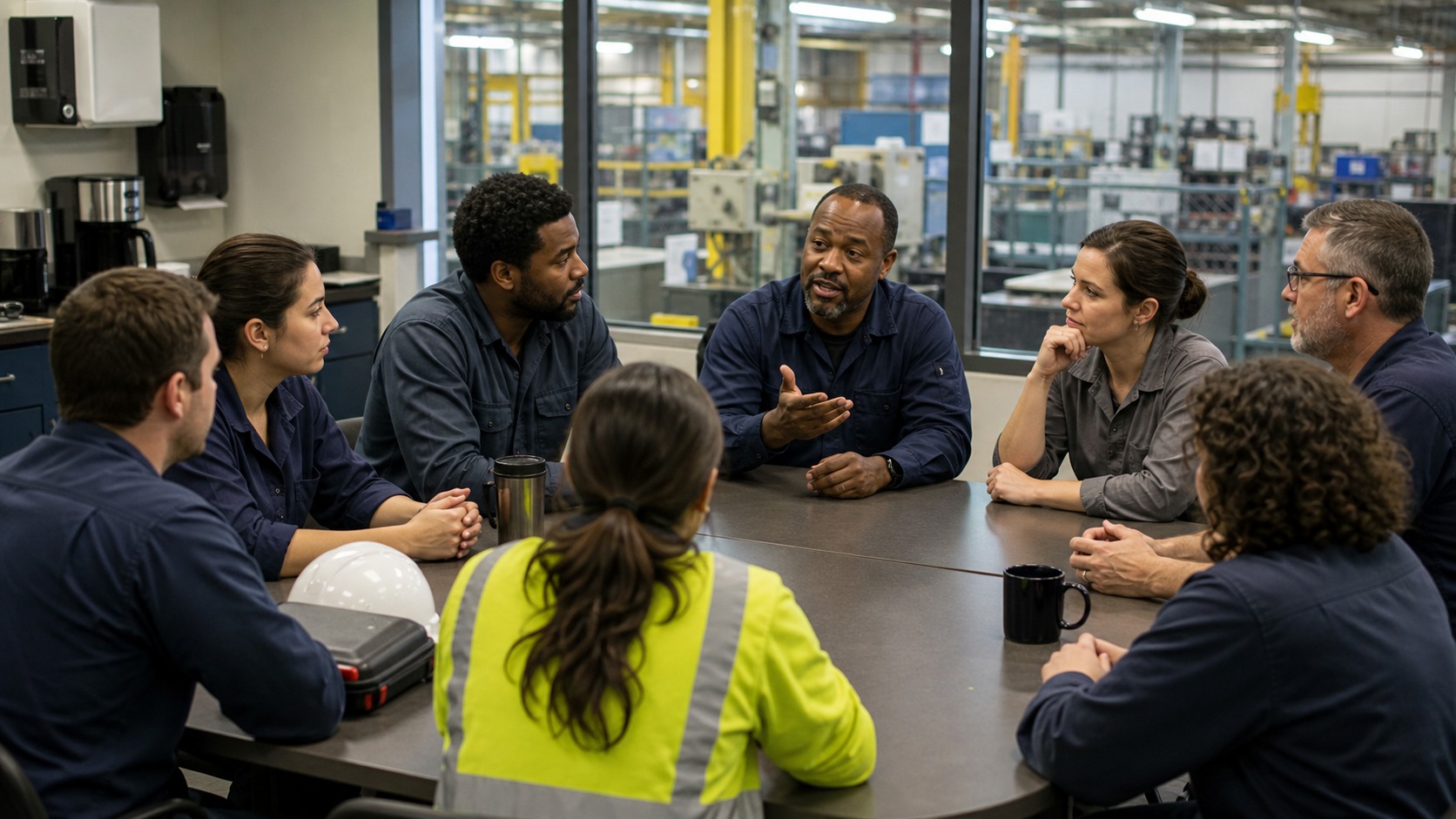
A labor union is an organization formed by workers who come together to protect and advance their collective interests. Rather than negotiating individually with employers, union members act as a group, giving them greater bargaining power when discussing wages, benefits, working conditions, and workplace policies. The core idea behind a union is that workers often achieve better outcomes when they negotiate collectively rather than individually.
Labor unions can exist in nearly every industry, including manufacturing, healthcare, education, transportation, construction, public service, hospitality, retail, and technology. Some unions represent workers within a specific company, while others represent employees across an entire industry or profession. Teachers, nurses, electricians, airline pilots, and factory workers are just a few examples of occupations that often have union representation.
The concept of collective action is central to union activity. When workers join together, they gain a unified voice that can carry more influence than individual requests or complaints. This collective strength allows employees to address workplace issues more effectively and negotiate agreements that benefit large groups of workers rather than isolated individuals.
While unions vary in size, structure, and goals, they all share the common purpose of advocating for workers’ interests and helping ensure fair treatment in the workplace.
The Origins of Labor Unions
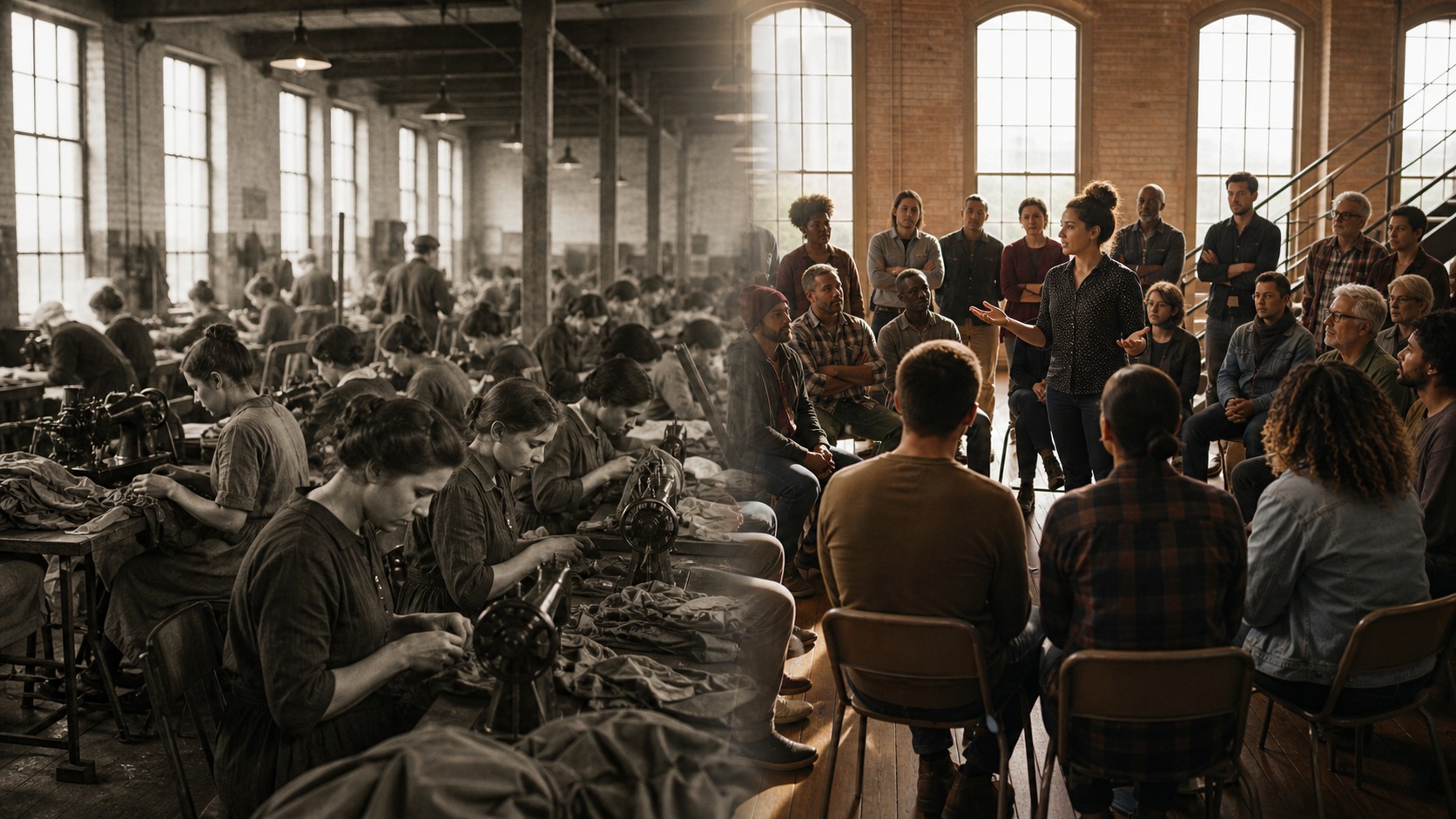
The history of labor unions is closely tied to the development of industrial economies. During the Industrial Revolution, factories expanded rapidly, creating new employment opportunities but also exposing workers to difficult and often dangerous conditions. Long workdays, child labor, unsafe equipment, low wages, and lack of legal protections were common in many industries.
As industrialization accelerated, workers began organizing to demand improvements. Early labor movements faced significant opposition from employers and governments. In many places, unions were initially viewed as illegal or disruptive organizations. Despite these challenges, workers continued to organize, recognizing that collective action was often their only means of improving workplace conditions.
Throughout the nineteenth and twentieth centuries, labor unions gained momentum. Strikes, protests, and negotiations helped secure important reforms that transformed workplaces. Many labor protections that are now considered standard—including the eight-hour workday, workplace safety regulations, paid leave, and restrictions on child labor—were influenced by union activism and labor movements.
As labor laws evolved, unions became legally recognized in many countries, providing workers with formal mechanisms to organize and bargain collectively. This recognition helped establish unions as a permanent feature of modern labor relations.
Why Labor Unions Exist
Labor unions exist because workers and employers often have different priorities. Employers typically focus on productivity, profitability, efficiency, and organizational growth. Workers, meanwhile, often prioritize fair compensation, job security, benefits, safety, and work-life balance.
Without collective representation, individual employees may have limited leverage when negotiating with employers. A worker who requests a higher wage or improved conditions may find it difficult to influence company policies alone. By joining together, workers increase their bargaining power and improve their ability to negotiate favorable terms.
Unions also provide a formal structure for resolving workplace disputes. Employees may encounter issues such as unfair treatment, disciplinary actions, scheduling conflicts, discrimination concerns, or safety hazards. Union representation can help workers navigate these situations and ensure that established procedures are followed fairly.
Beyond workplace issues, unions often advocate for broader economic and social policies that affect workers. These efforts may include lobbying for labor legislation, workplace safety standards, healthcare access, retirement protections, and other public policies related to employment.
How Labor Unions Are Organized
Most labor unions operate through a democratic structure. Members typically elect leaders who represent their interests and make decisions on behalf of the organization. These leaders may include local representatives, regional officials, and national executives.
A local union usually represents workers within a specific workplace, company, or geographic area. Local unions often handle day-to-day issues, grievances, and contract administration. Larger national or international unions provide resources, legal support, training, and broader strategic direction.
Union members generally pay dues, which help fund the organization’s operations. These funds support activities such as negotiations, legal representation, educational programs, organizing efforts, and administrative functions. The amount of dues varies depending on the union and industry.
Regular meetings, elections, and voting processes allow members to participate in union governance. In many unions, major decisions—including contract approvals and strike authorizations—require member votes, ensuring that leadership remains accountable to the workforce.
What Is Collective Bargaining?
Collective bargaining is one of the most important functions of a labor union. It refers to the process through which union representatives negotiate with employers on behalf of workers. The goal is to reach a legally binding agreement known as a collective bargaining agreement or labor contract.
These agreements typically address a wide range of workplace issues. Common topics include wages, overtime pay, healthcare benefits, retirement plans, paid time off, scheduling policies, workplace safety standards, promotion procedures, and disciplinary processes.
During negotiations, both sides present proposals and attempt to reach mutually acceptable terms. Employers seek agreements that support business objectives, while unions advocate for worker interests. The negotiation process can sometimes be lengthy and challenging, particularly when significant disagreements exist.
Once an agreement is reached, union members often vote on whether to approve the proposed contract. If approved, the contract becomes the governing framework for employment conditions during its specified term, which may last several years before renegotiation begins.
Collective bargaining provides structure and predictability for both workers and employers, helping reduce uncertainty and establish clear expectations.
Understanding Union Membership
Joining a labor union is typically voluntary, although specific rules vary by country, industry, and local labor laws. Employees who become union members gain access to the representation, resources, and protections provided by the organization.
Membership often includes participation in workplace meetings, voting rights, access to legal support, educational opportunities, and involvement in collective bargaining activities. Members may also receive assistance with grievances, workplace disputes, and disciplinary matters.
Union membership can foster a sense of solidarity among workers. Employees often view their union as a collective community that supports shared goals and common interests. This sense of unity can strengthen workplace morale and encourage greater employee engagement.
At the same time, membership carries responsibilities. Members typically pay dues and may be expected to participate in union activities, elections, and workplace initiatives. Active involvement helps ensure that unions remain responsive to the needs and priorities of their members.
The Role of Strikes and Work Stoppages
One of the most visible aspects of labor unions is the strike. A strike occurs when workers collectively stop working to pressure an employer during a labor dispute. Strikes are often used when negotiations reach an impasse and both sides are unable to reach an agreement.
The possibility of a strike can strengthen a union’s bargaining position because employers may face financial losses, operational disruptions, and reputational challenges during a work stoppage. As a result, the threat of a strike can encourage both sides to negotiate more seriously.
However, strikes can also be costly for workers, who may lose wages during the stoppage. Because of these risks, unions often reserve strikes as a last resort after extensive negotiations have failed. Many unions require members to vote before authorizing a strike, ensuring that workers collectively support the action.
Not all labor disputes result in strikes. Mediation, arbitration, and continued negotiation often help resolve disagreements without requiring work stoppages. Nevertheless, the ability to organize collective action remains one of the defining features of union representation.
Benefits of Labor Unions
Supporters of labor unions argue that unions provide significant benefits for workers. One of the most commonly cited advantages is higher wages. Studies in many countries have found that unionized workers often earn more than comparable non-union employees.
Benefits packages can also be stronger in unionized workplaces. Health insurance, retirement plans, paid leave, job security protections, and workplace safety standards are frequently emphasized during collective bargaining negotiations. These improvements can enhance overall quality of life for workers and their families.
Unions often promote fairness and transparency within organizations. Clear procedures for promotions, disciplinary actions, grievance handling, and workplace evaluations can reduce favoritism and arbitrary decision-making. Employees may feel more confident knowing that established rules govern important workplace decisions.
In addition, unions can provide workers with a stronger voice in organizational changes. Whether a company is implementing new policies, restructuring operations, or introducing technological changes, union representation allows employees to participate more actively in discussions that affect their careers.
Criticisms and Challenges of Labor Unions
While unions have many supporters, they also face criticism. Some opponents argue that unions can make workplaces less flexible by introducing complex rules and procedures. Employers may contend that certain union demands increase labor costs and limit management’s ability to respond quickly to changing business conditions.
Critics also point to union dues as a concern. Employees must often contribute financially to support union operations, and some workers may question whether the benefits justify the cost. Additionally, disagreements can arise between union leadership and members regarding priorities, strategies, or political activities.
Globalization, automation, and shifts in the economy have created new challenges for unions. Industries that once relied heavily on unionized labor have experienced significant changes due to technological advancements and international competition. As a result, unions must continually adapt their strategies to remain relevant in evolving labor markets.
Despite these challenges, unions continue to represent millions of workers worldwide and remain influential participants in labor policy discussions.
Labor Unions in the Modern Economy
Today’s labor unions operate in a dramatically different environment than those of the early industrial era. Technology, remote work, gig economy platforms, artificial intelligence, and global supply chains have transformed the nature of employment. These developments present both opportunities and challenges for organized labor.
Many modern unions are expanding beyond traditional manufacturing sectors into healthcare, education, technology, logistics, and service industries. Workers in emerging fields are increasingly exploring collective representation as they navigate concerns related to job security, workplace surveillance, workload expectations, and compensation structures.
Unions are also embracing digital communication tools, online organizing efforts, and social media campaigns to engage members and build support. These approaches allow labor organizations to reach younger workers and adapt to changing workforce demographics.
As workplace expectations continue to evolve, labor unions remain active participants in discussions about fair compensation, employee rights, workplace safety, diversity initiatives, and economic inequality.
Conclusion
Labor unions are organizations that bring workers together to pursue common goals and strengthen their collective voice in the workplace. Through collective bargaining, representation, advocacy, and organized action, unions seek to improve wages, benefits, working conditions, and job security for their members. Their influence has helped shape many workplace protections that employees enjoy today.
Understanding labor unions requires looking beyond headlines and stereotypes. They are neither simple solutions nor universal problems. Instead, they are institutions that reflect the ongoing relationship between workers and employers, balancing economic interests with workplace rights and responsibilities.
For beginners seeking to understand how labor unions function, the key concept is collective power. By working together, employees can negotiate more effectively, address workplace concerns, and participate in shaping the conditions under which they work. Whether one supports or opposes unionization, labor unions remain an important force in modern economies and continue to influence the future of work around the world.