
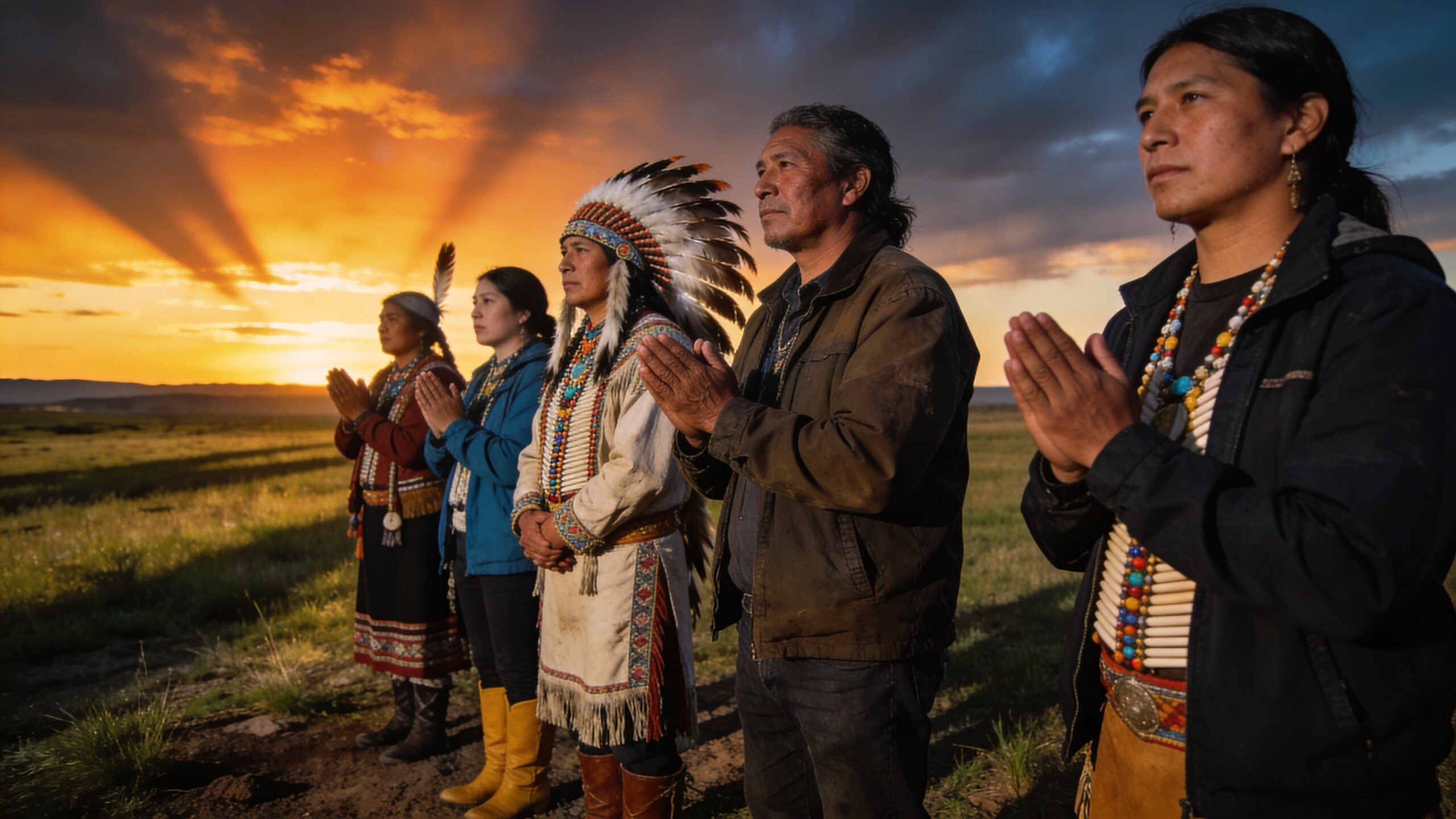
Indigenous resistance movements are among the most powerful, enduring, and often overlooked forces in history. Across continents and generations, Indigenous communities have defended their land, cultures, languages, governance systems, and ways of life against colonization, displacement, extraction, and erasure. Their resistance has never been limited to one form. It has appeared in armed defense, treaty negotiations, spiritual protection, legal challenges, cultural revival, environmental action, education, storytelling, and the everyday refusal to disappear. This page explores the many dimensions of Indigenous resistance, revealing movements that are rooted not only in struggle, but also in survival, memory, dignity, and vision. At Left Streets, this collection highlights how Indigenous resistance movements continue to shape political thought, social justice, environmental activism, and global conversations about rights and sovereignty. These stories are not frozen in the past. They are living histories connected to present-day fights over land, water, identity, representation, and self-determination. From local uprisings to international solidarity, Indigenous resistance movements show what it means to protect community while imagining a more just future. Explore the articles below to discover the leaders, moments, symbols, and ideas that continue to inspire resistance worldwide.
A: They are collective efforts by Indigenous peoples to defend land, rights, culture, sovereignty, and survival against colonial or extractive forces.
A: No. They span centuries and continue today in legal challenges, land defense, cultural revival, and political organizing.
A: For many Indigenous communities, land is tied to identity, spirituality, livelihood, ancestry, and governance, not just property ownership.
A: Not always. It can be visible protest, but it can also be teaching language, protecting ceremony, or rebuilding community institutions.
A: Treaties are often central because many Indigenous communities view them as living agreements that states repeatedly violated or ignored.
A: Indigenous women have often been central organizers, protectors of culture, and leaders in community defense and social movements.
A: Many frontline environmental struggles are Indigenous-led because extraction often targets Indigenous lands and waters first.
A: No. Each movement reflects its own history, nation, territory, and goals, even when themes overlap.
A: They affirm identity, continuity, sacred responsibility, and collective strength in ways that politics alone cannot capture.
A: Start with Indigenous voices, histories, and community perspectives rather than relying only on outside interpretations.