
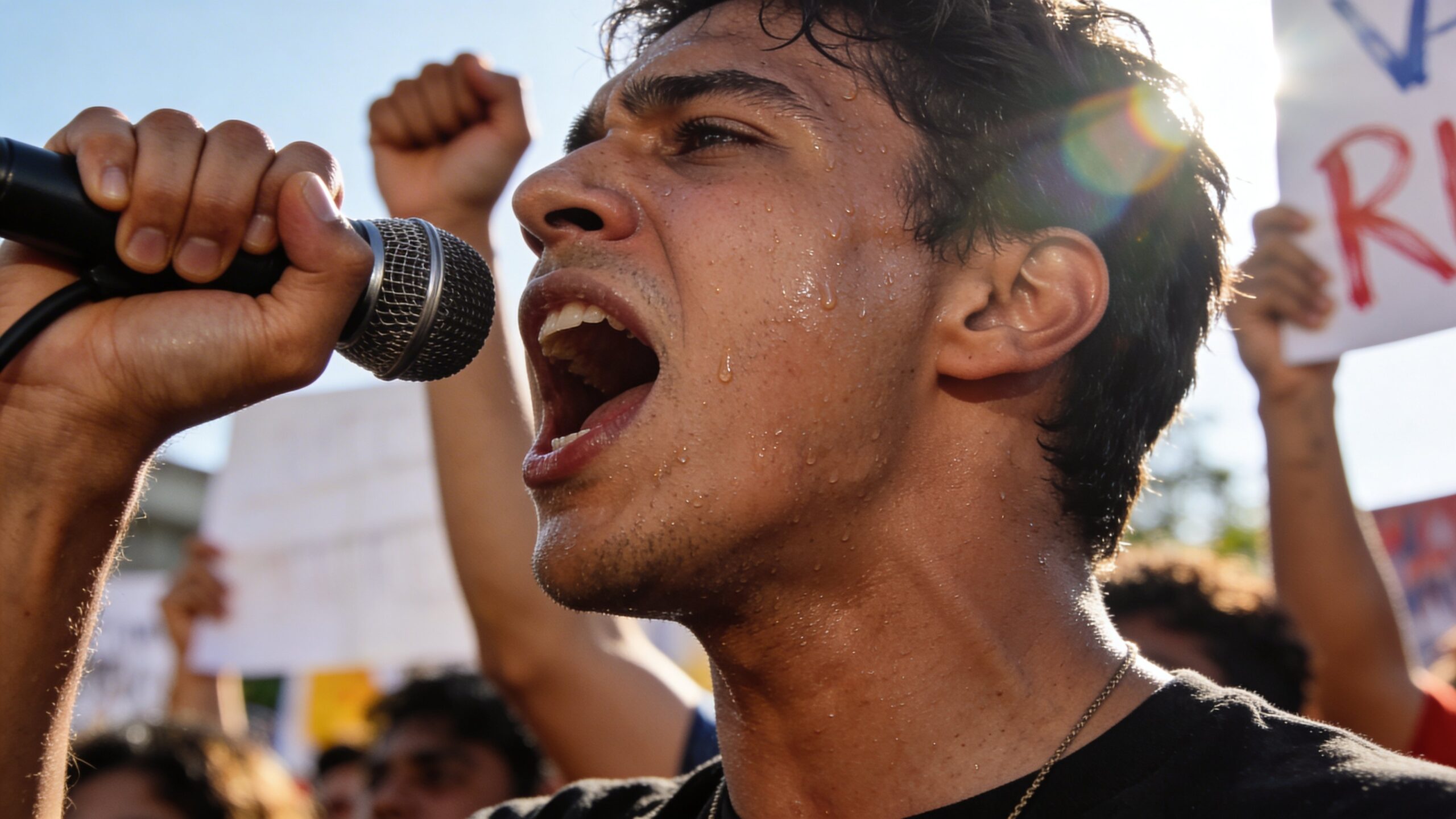
Music & Protest Art lives where rhythm meets resistance and melody becomes message. On this page of Left Streets, we explore how songs, street murals, spoken word, performance pieces, and underground anthems have shaped movements, challenged power, and amplified unheard voices across generations. From folk singers strumming against war to hip-hop artists narrating systemic injustice, creative expression has long been the heartbeat of collective action. Protest art does more than decorate a cause—it defines it, humanizes it, and carries it forward when speeches fade. Here you’ll find stories behind iconic performances, breakdowns of lyrical symbolism, deep dives into visual motifs, and analyses of how culture shifts through sound and image. We look at how grassroots creators spark global conversations, how stages turn into platforms, and how art transforms outrage into organized hope. Whether whispered in coffeehouses or blasted across festival crowds, Music & Protest Art reminds us that creativity is not a side note to history—it is often the chorus that moves it.
A: It unites people emotionally and spreads messages quickly.
A: It often addresses power, rights, and justice themes.
A: It shapes culture, which influences policy and behavior.
A: Music, murals, performance, poetry, digital media, and more.
A: It amplifies visibility and global reach instantly.
A: Yes, they evolve with modern struggles and sounds.
A: Emotional resonance and collective relatability.
A: Art strengthens identity and morale.
A: Yes, most is rooted in peaceful expression.
A: It documents resistance and inspires future generations.