
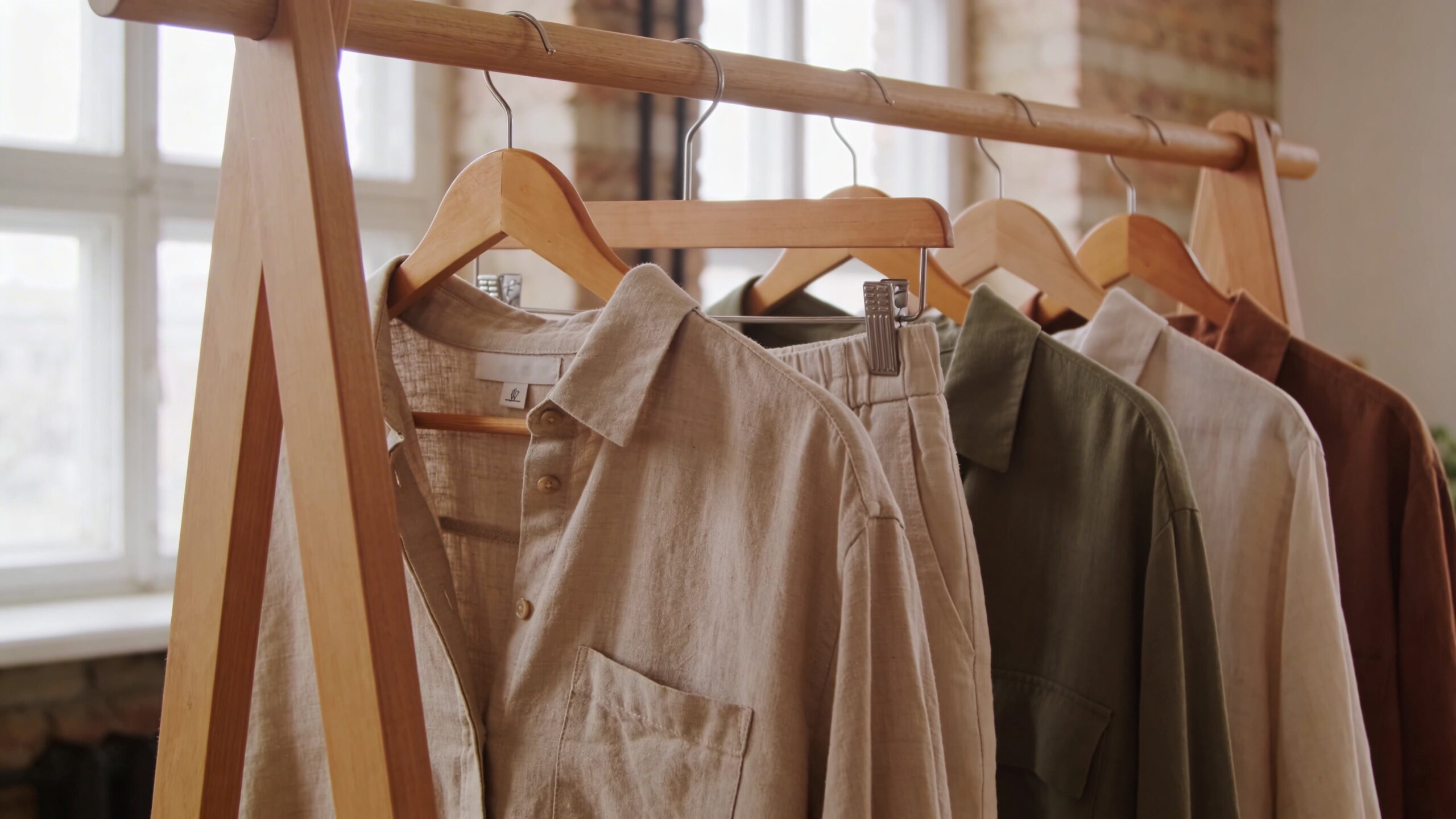
Ethical apparel and merchandise represent more than just clothing or accessories—they are statements about values, responsibility, and the kind of world consumers want to help build. In recent years, growing awareness around labor conditions, environmental sustainability, and supply chain transparency has transformed how people think about the products they wear and share. Ethical fashion challenges the fast-fashion model by encouraging thoughtful production, fair wages, sustainable materials, and responsible manufacturing practices. Across this section of Left Streets, we explore the evolving world of ethical apparel and merch—from union-made clothing and fair-trade fabrics to eco-friendly printing, sustainable merchandise, and the cultural role of apparel in activism and social movements. Clothing has always been a powerful form of expression, and ethical apparel expands that expression by aligning style with purpose. These articles examine how ethical production works behind the scenes, how brands attempt to balance profit with responsibility, and how consumers can make informed decisions about what they buy. From grassroots merchandise to globally recognized ethical brands, this space highlights the ideas, debates, and innovations shaping the future of responsible fashion.
A: Ethical clothing focuses on fair labor conditions, sustainable materials, and transparent production practices.
A: Fair-trade apparel ensures workers receive fair wages and safe working conditions.
A: Often yes, because responsible labor and materials cost more than mass production.
A: Organic cotton, recycled fibers, hemp, and low-impact fabrics are commonly used.
A: It often involves low wages, high waste, and environmentally harmful production.
A: It means brands disclose where and how products are made.
A: Yes, merchandise often raises funds and awareness for social causes.
A: Programs like Fair Trade, GOTS, and other sustainability labels verify standards.
A: Yes, reuse extends product life and reduces waste.
A: Consumers increasingly want products aligned with social and environmental responsibility.