
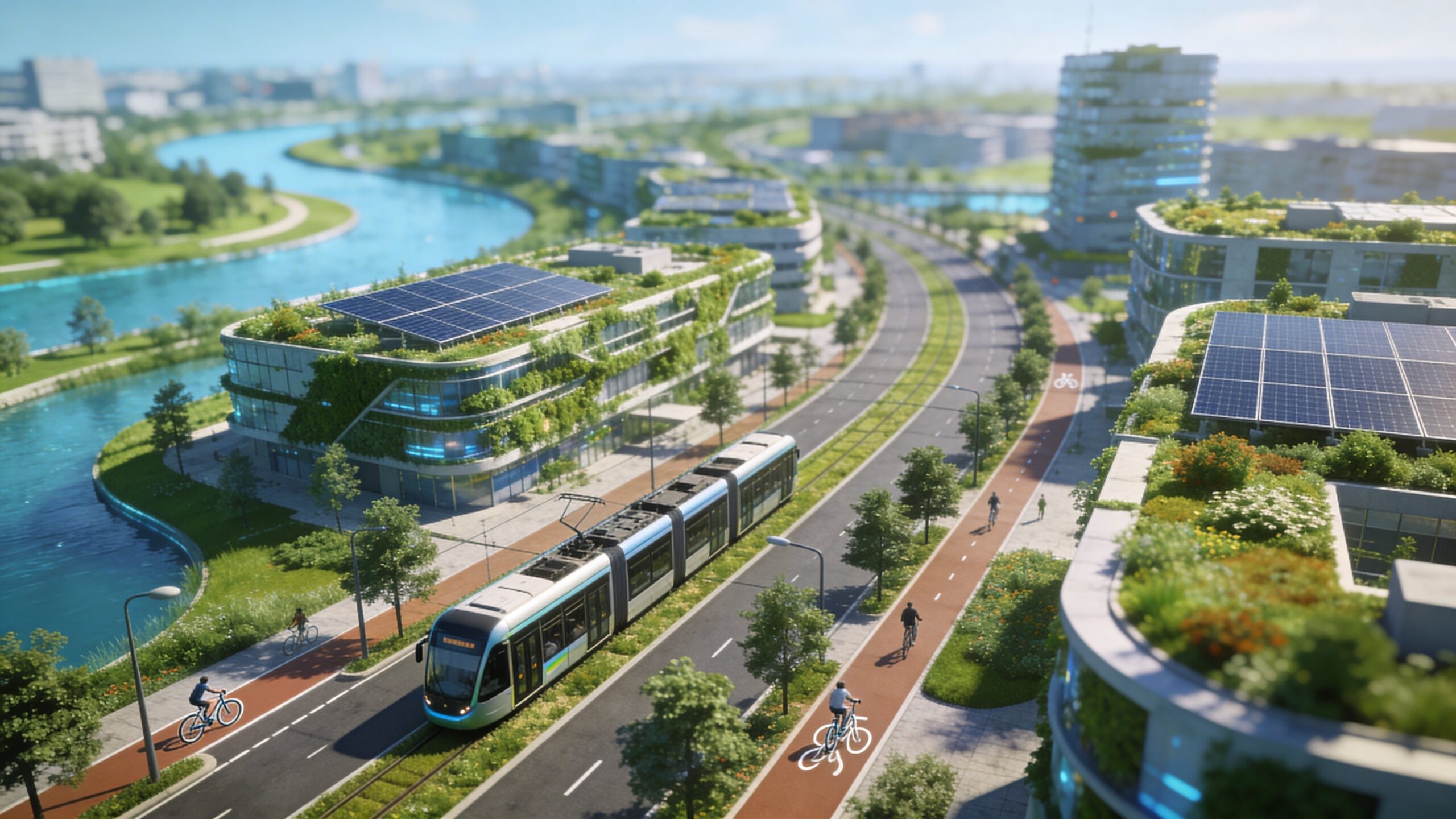
Cities have always been places where ideas collide, cultures mix, and new possibilities emerge. Today, as populations grow and technology transforms daily life, the question of how cities evolve has become one of the most important conversations of our time. Urban futures are not just about buildings and transportation systems. They are about how people live together, how communities share resources, and how societies shape spaces that are fair, sustainable, and vibrant. In the decades ahead, cities will face enormous challenges and exciting opportunities. Climate change, housing affordability, public transit, green infrastructure, digital connectivity, and social equity are all shaping the blueprint of tomorrow’s urban landscapes. Urban planning is no longer only about roads and zoning maps; it now includes data networks, walkable neighborhoods, renewable energy systems, and inclusive public spaces designed for diverse communities. The Urban Futures section explores these evolving ideas and debates from a forward-looking perspective. From innovative housing solutions and transit revolutions to policies that reshape neighborhoods, this category examines the forces transforming modern cities. If cities are humanity’s greatest collective experiment, then the future of urban life is being designed right now.
A: The process of designing and regulating city growth, infrastructure, and land use.
A: Higher density can support transit, reduce emissions, and improve economic activity.
A: Efficient transportation, green infrastructure, renewable energy, and thoughtful land use.
A: Housing and businesses built around major transit lines.
A: Through zoning reform, public housing programs, and development incentives.
A: Cities that use digital technology and data to manage infrastructure and services.
A: They improve health, community life, and environmental quality.
A: Roads, transit, utilities, and broadband enable economic and social activity.
A: Yes through resilient design, flood control, and sustainable building practices.
A: Accessible housing, reliable transit, public spaces, and economic opportunity.