
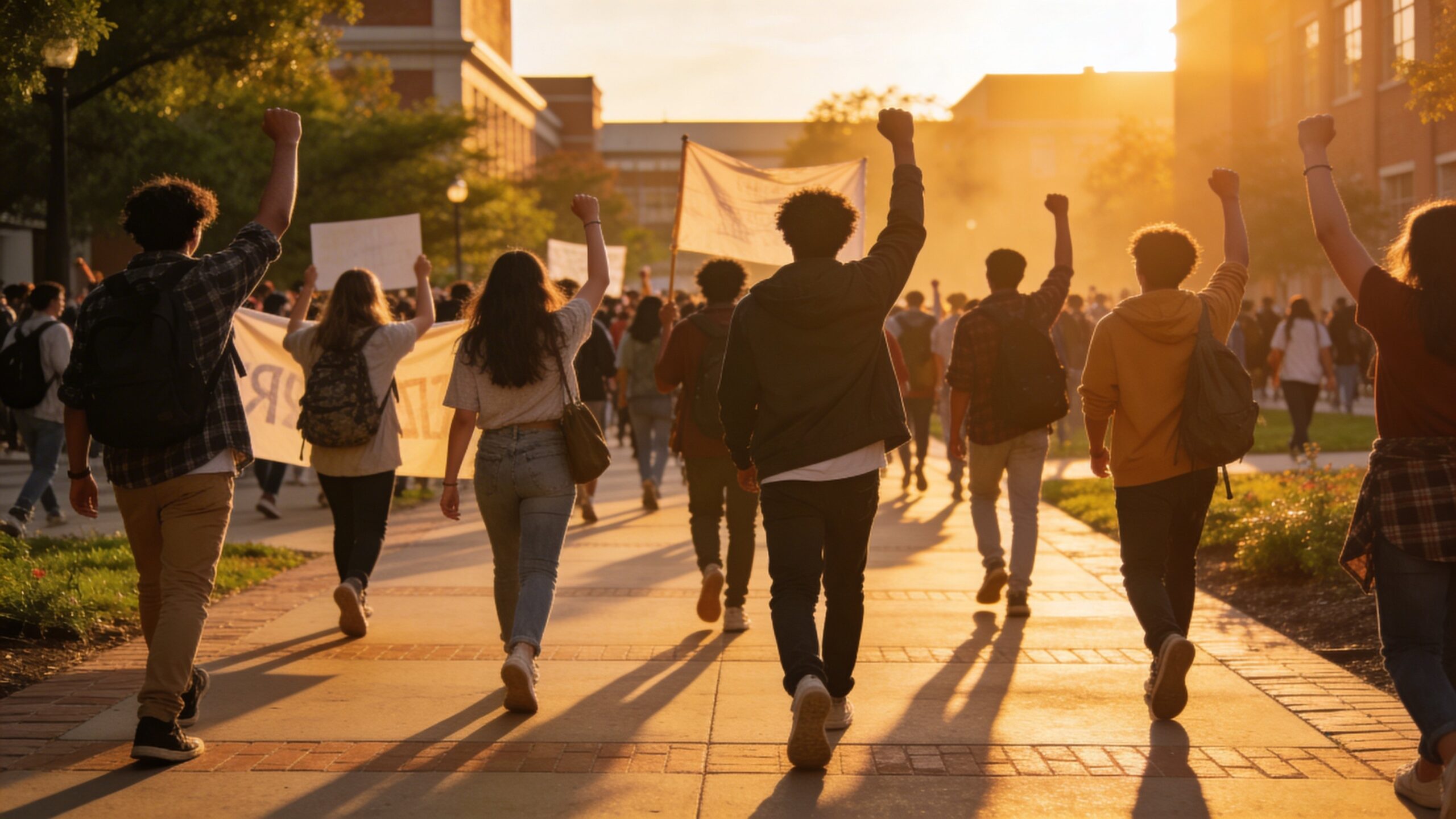
Across campuses and classrooms around the world, young voices have long been catalysts for political conversation, cultural shifts, and social change. Campus and youth activism represents one of the most dynamic arenas of modern civic engagement—where students, organizers, and emerging leaders challenge ideas, test movements, and shape the direction of future politics. Universities have historically served as laboratories of democracy, places where debates ignite, protests organize, and new visions for society take shape. From rallies advocating for civil rights and climate action to campaigns focused on economic justice, education reform, and social equality, youth movements have repeatedly pushed political conversations into the mainstream. What begins as a discussion in a lecture hall or student union can ripple outward into national headlines and lasting policy debates. The Campus & Youth Activism section of Left Streets explores the ideas, strategies, history, and controversies surrounding student-led movements. Here you’ll discover the philosophies driving activism, the real-world outcomes of youth organizing, and the powerful moments when student voices reshape public dialogue. Whether studying history or watching today’s movements unfold, one truth remains constant: when young people organize, the political landscape rarely stays the same.
A: Political or social organizing led by students within universities or colleges.
A: Universities bring together young people, ideas, and debate.
A: No. Student activism has existed for generations across many countries.
A: Common topics include climate policy, social justice, education reform, and economic fairness.
A: Through meetings, social media, campus groups, and public events.
A: Yes, student movements sometimes shape public debates and policies.
A: No, activism also includes advocacy, education campaigns, and community organizing.
A: Most campuses have policies governing demonstrations and gatherings.
A: Social media allows movements to organize and spread messages quickly.
A: Young people often drive cultural change and future political leadership.