
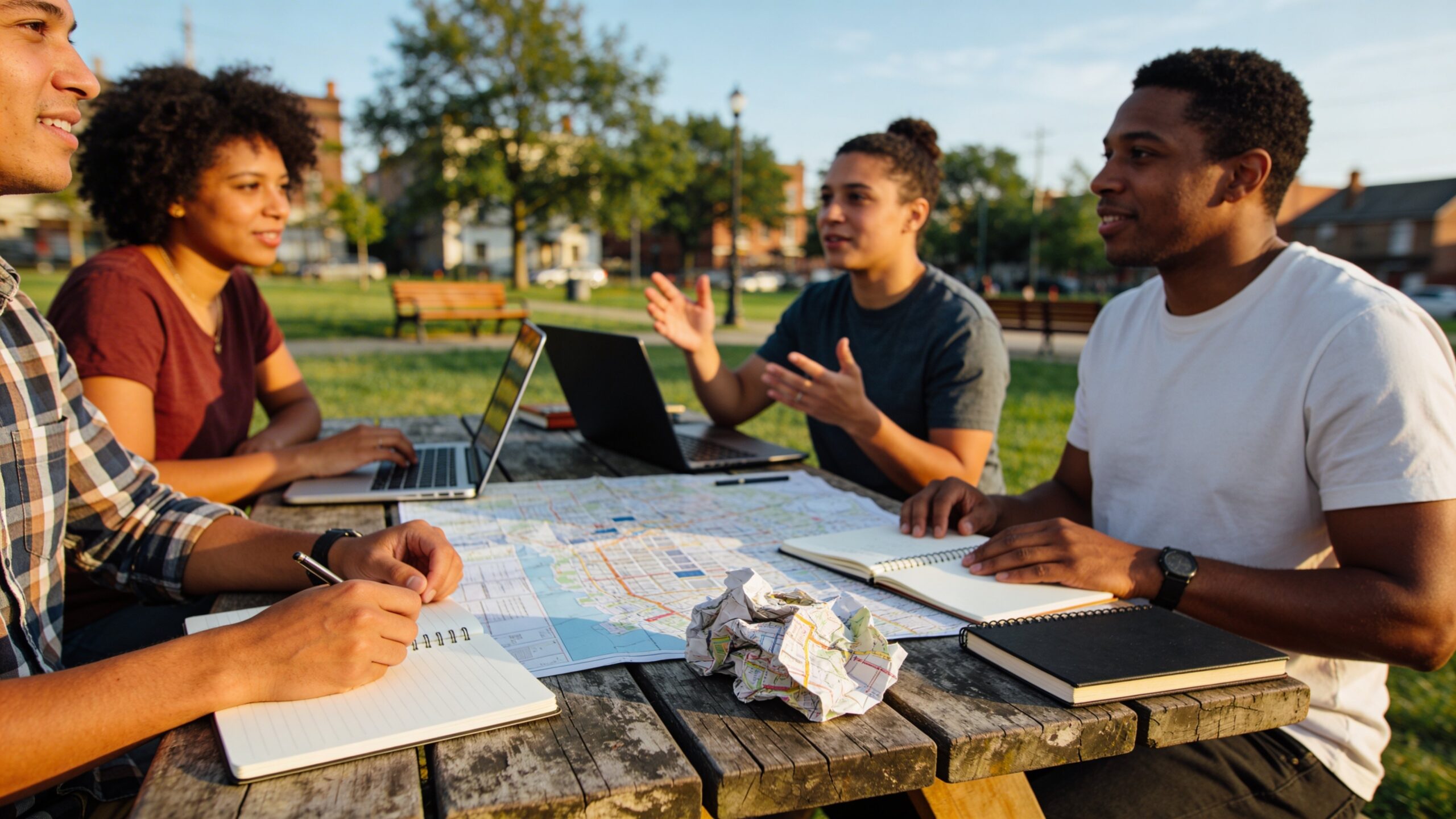
Community organizing is the heartbeat of grassroots democracy. It begins with ordinary people recognizing a shared challenge and choosing to work together to create meaningful change. From neighborhood meetings and local campaigns to national movements that reshape laws and institutions, community organizing transforms individual voices into collective power. At its core, community organizing is about connection. It brings together neighbors, workers, students, and advocates who believe their communities deserve better opportunities, stronger protections, and a louder voice in the decisions that affect their lives. Organizers help people identify common goals, build networks of trust, and develop strategies that turn ideas into action. Throughout modern history, community organizing has played a powerful role in advancing civil rights, improving labor conditions, strengthening public services, and protecting democratic participation. What begins as conversations in living rooms, churches, campuses, or community centers can grow into movements that shift public debate and influence policy. On this page, explore the ideas, strategies, and real-world stories behind community organizing—how people mobilize, build coalitions, and work together to shape the future of their communities.
A: It is a process where people work together to address shared concerns and advocate for change.
A: Organizers may be volunteers, local leaders, activists, or professionals working with advocacy groups.
A: Issues range from housing and education to labor rights, public services, and environmental concerns.
A: Not always—many initiatives focus on improving local services or strengthening community networks.
A: Many begin with conversations about shared challenges within neighborhoods or workplaces.
A: Yes, organized advocacy can shape legislation and public decision-making.
A: Communication, leadership, strategic planning, and relationship building.
A: Coalitions bring together multiple groups to strengthen influence and resources.
A: Yes, social media and online platforms help mobilize volunteers and spread awareness.
A: Strong relationships, clear goals, and sustained community participation.