
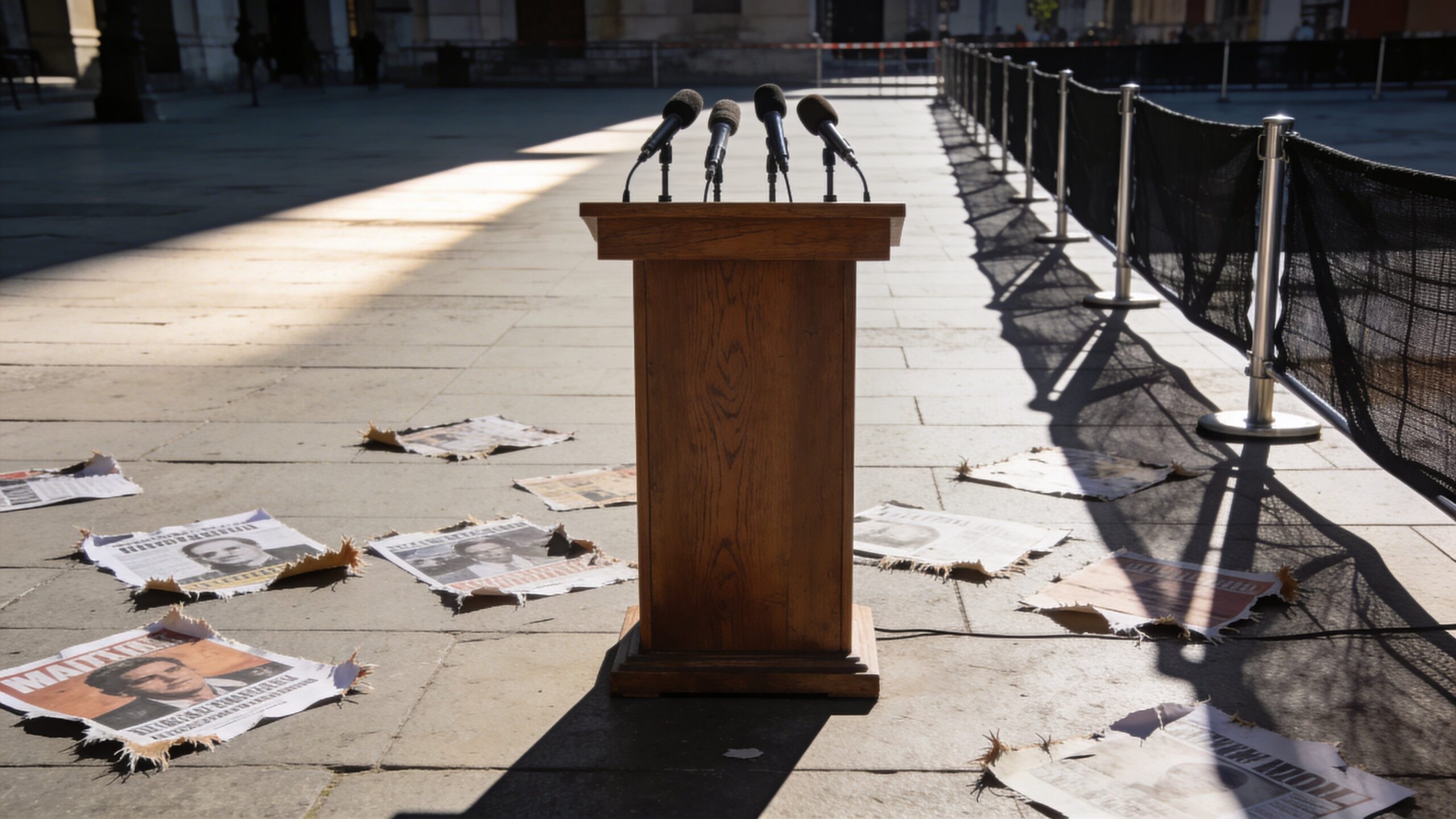
Free speech sits at the heart of political debate, cultural change, and democratic life. It is the force behind protest movements, investigative journalism, artistic rebellion, academic inquiry, and everyday disagreement. At the same time, censorship remains one of the most contested tools in public life, sometimes defended as a shield against harm and sometimes condemned as a weapon against truth, dissent, and uncomfortable ideas. That tension is what makes this topic so urgent. The struggle over who gets to speak, what can be said, and who decides the limits is never fully settled. On Left Streets, this section explores the sharp and complicated world of free speech and censorship from multiple angles. Some articles look at constitutional arguments, civil liberties, and state power. Others examine social pressure, media gatekeeping, digital platforms, campus disputes, and the line between public safety and open expression. Whether the issue is protest, political speech, controversial art, online moderation, or the silencing of unpopular views, these debates shape how societies define freedom itself. Step in, explore the conflict, and discover why speech remains one of the most powerful battlegrounds in public life.
A: No. Free speech protects expression, but it does not remove social disagreement or public pushback.
A: Yes. While legally different from state censorship, private gatekeepers can still shape what is seen and heard.
A: Because societies struggle to balance protection from targeted harm with protection for broad expressive freedom.
A: Not necessarily. The difference often depends on fairness, transparency, power, and whether there is room for appeal.
A: Fear, instability, and security concerns often make restrictions more politically acceptable in crisis periods.
A: It is when people hold back opinions because they fear punishment, backlash, isolation, or lost opportunities.
A: They combine education, activism, institutional authority, and competing ideas about safety and inquiry.
A: Often yes. Expression can include images, gestures, clothing, art, protest tactics, and other nonverbal forms.
A: Because protecting only popular speech is easy; protecting unpopular speech is what truly tests a freedom principle.
A: Because speech battles now shape politics, technology, identity, education, media, and the limits of democratic life.