
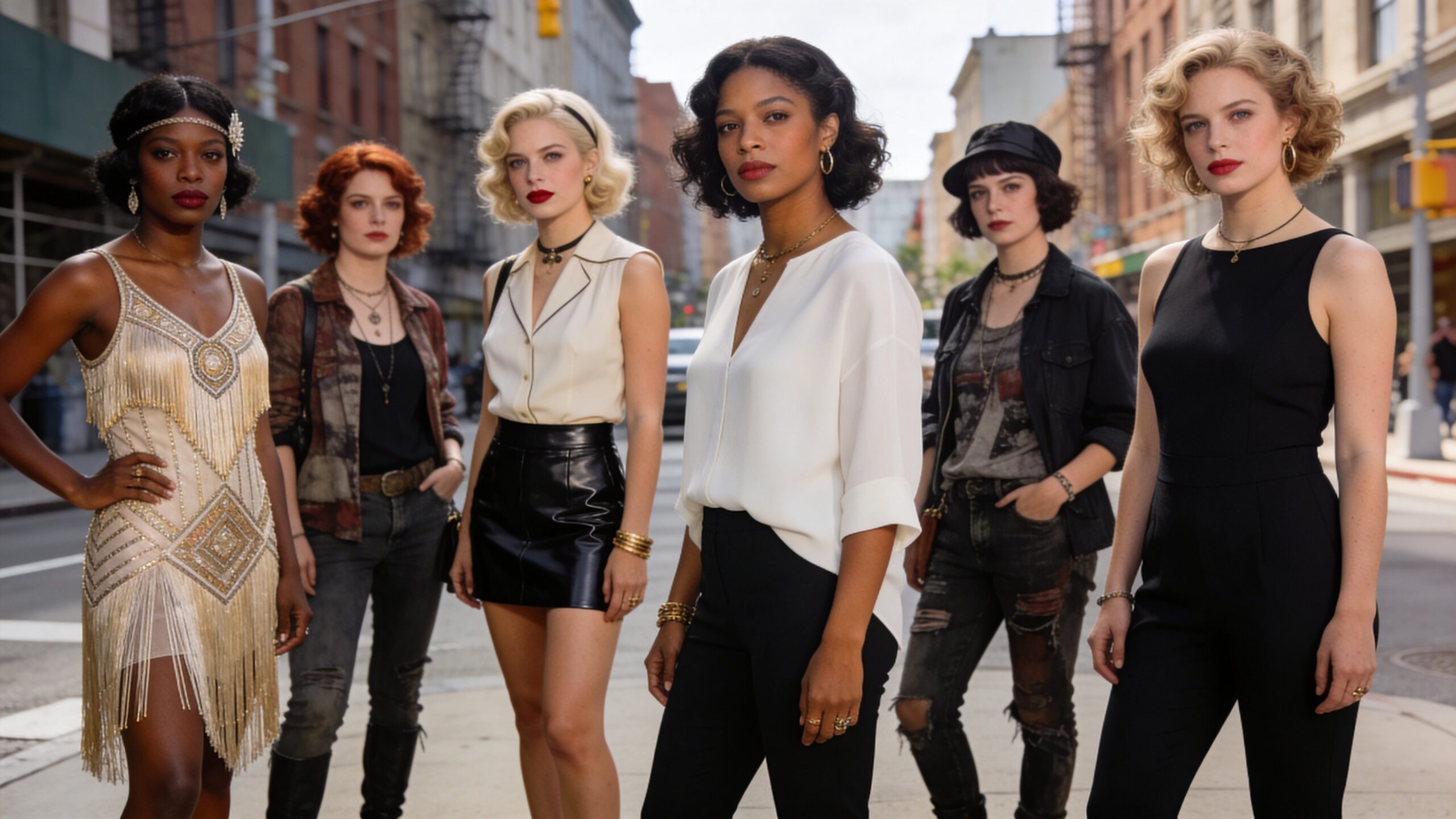
Feminist waves tell the story of how ideas about equality, rights, power, work, identity, and freedom have changed across generations. Rather than being a single movement with one voice, feminism has moved through different eras, each shaped by its own struggles, victories, debates, and cultural shifts. From the fight for voting rights and legal recognition to later conversations about workplace fairness, reproductive freedom, representation, and intersectionality, each wave reveals how women and allies pushed society to confront old limits and imagine something broader. The history is not neat or simple, which is exactly what makes it so compelling. On Left Streets, this Feminist Waves page explores the people, ideas, symbols, tensions, and turning points that helped define each stage of the movement. It looks at both the public milestones and the deeper questions beneath them: who was included, who was left out, and how the meaning of equality kept evolving. Whether you are curious about suffrage, second-wave activism, third-wave identity, or today’s expanding conversations around justice and inclusion, this page opens the door to a richer understanding of one of modern history’s most influential social and political movements.
A: They are broad historical phases used to describe changing feminist priorities, activism, and ideas over time.
A: Most discussions focus on four, though some scholars debate the model and its limits.
A: It focused largely on legal rights, especially suffrage, property rights, and civic recognition.
A: It emphasized workplace equality, reproductive rights, family roles, and structural sexism.
A: It stressed diversity, identity, media critique, and resistance to one-size-fits-all feminism.
A: It is often associated with online activism, accountability movements, consent, and intersectional analysis.
A: It means gender is experienced differently depending on race, class, sexuality, disability, and other factors.
A: No; they overlap, and many ideas continue across generations.
A: Because it can oversimplify history and overlook activism outside dominant timelines.
A: Because current debates about equality, labor, rights, and representation are deeply connected to that history.