
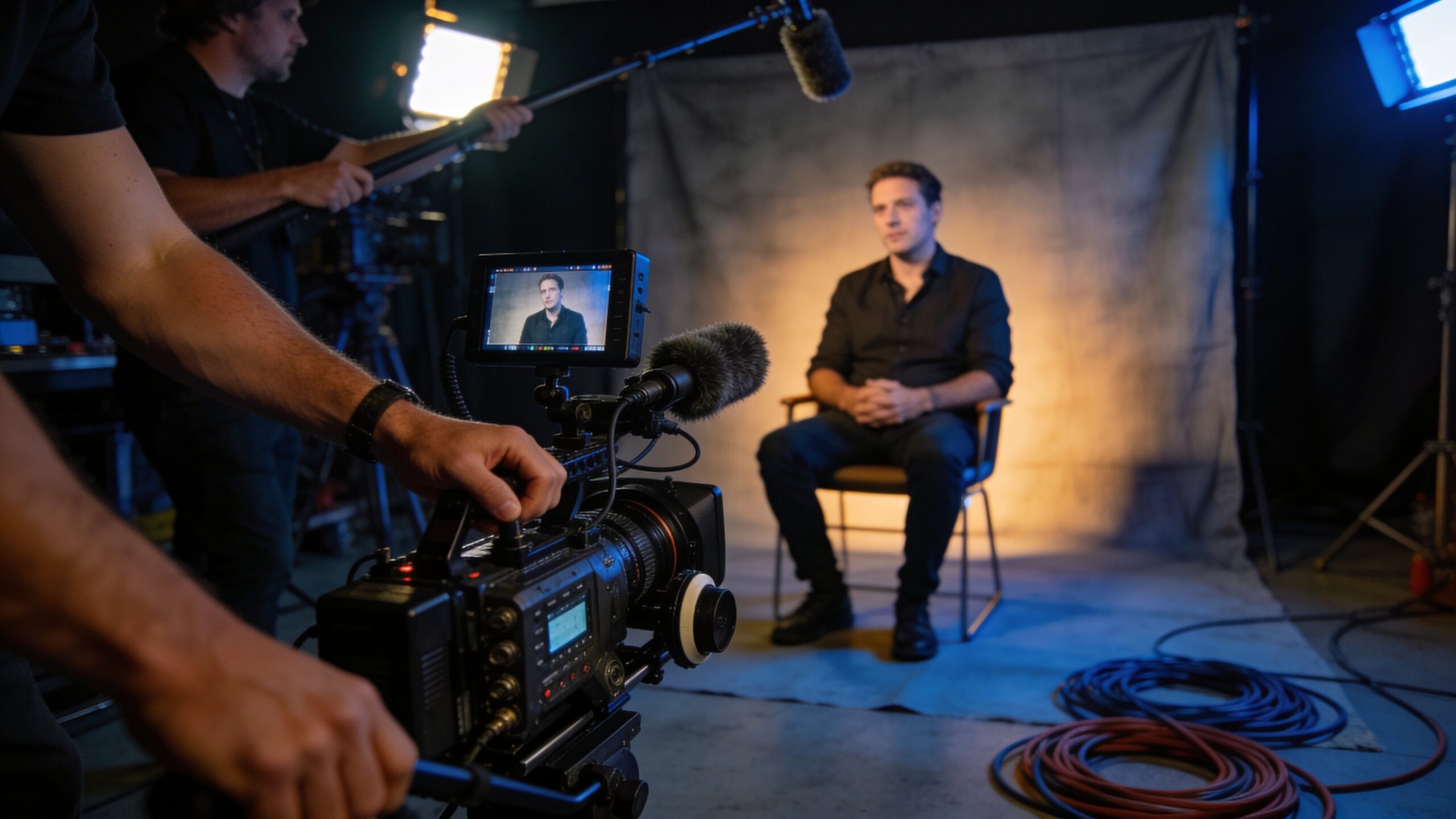
Documentaries and films have long served as powerful windows into the world of ideas, movements, and political change. In the Documentaries & Films section of Left Streets, storytelling meets analysis, using cinema to explore the philosophies, debates, and social forces that shape modern politics and culture. From sweeping historical documentaries to intimate investigative films, these stories reveal how ideas evolve, how power structures operate, and how individuals and communities respond to the challenges of their time. Film has a unique ability to transform complex political concepts into compelling narratives. Through interviews, archival footage, and cinematic storytelling, documentaries can illuminate economic struggles, civil rights battles, environmental movements, and ideological shifts that define different eras. A well-crafted political documentary does more than present facts—it invites viewers to question assumptions, explore perspectives, and better understand the forces influencing public policy and social change. Here on Left Streets, this section gathers articles that analyze influential documentaries, explore the filmmakers behind them, and unpack the ideas that drive these stories. Whether examining groundbreaking films or emerging voices in documentary storytelling, these articles dive into how cinema helps explain—and sometimes challenge—the world around us.
A: Books allow deep exploration of complex ideas and spread them widely.
A: Yes. Many policy debates and academic discussions stem from influential books.
A: Publishers edit, promote, and distribute books to reach wider audiences.
A: Absolutely. It allows more authors to publish and reach global audiences.
A: A publisher specializing in scholarly research and university-level works.
A: They allow ideas from one culture to influence another.
A: Yes, many publish bold or experimental works overlooked by major houses.
A: Through storytelling, research, and philosophy that shape public perspectives.
A: Editors refine manuscripts, improve clarity, and help shape the final work.
A: They capture powerful ideas at moments when society is ready to debate them.