
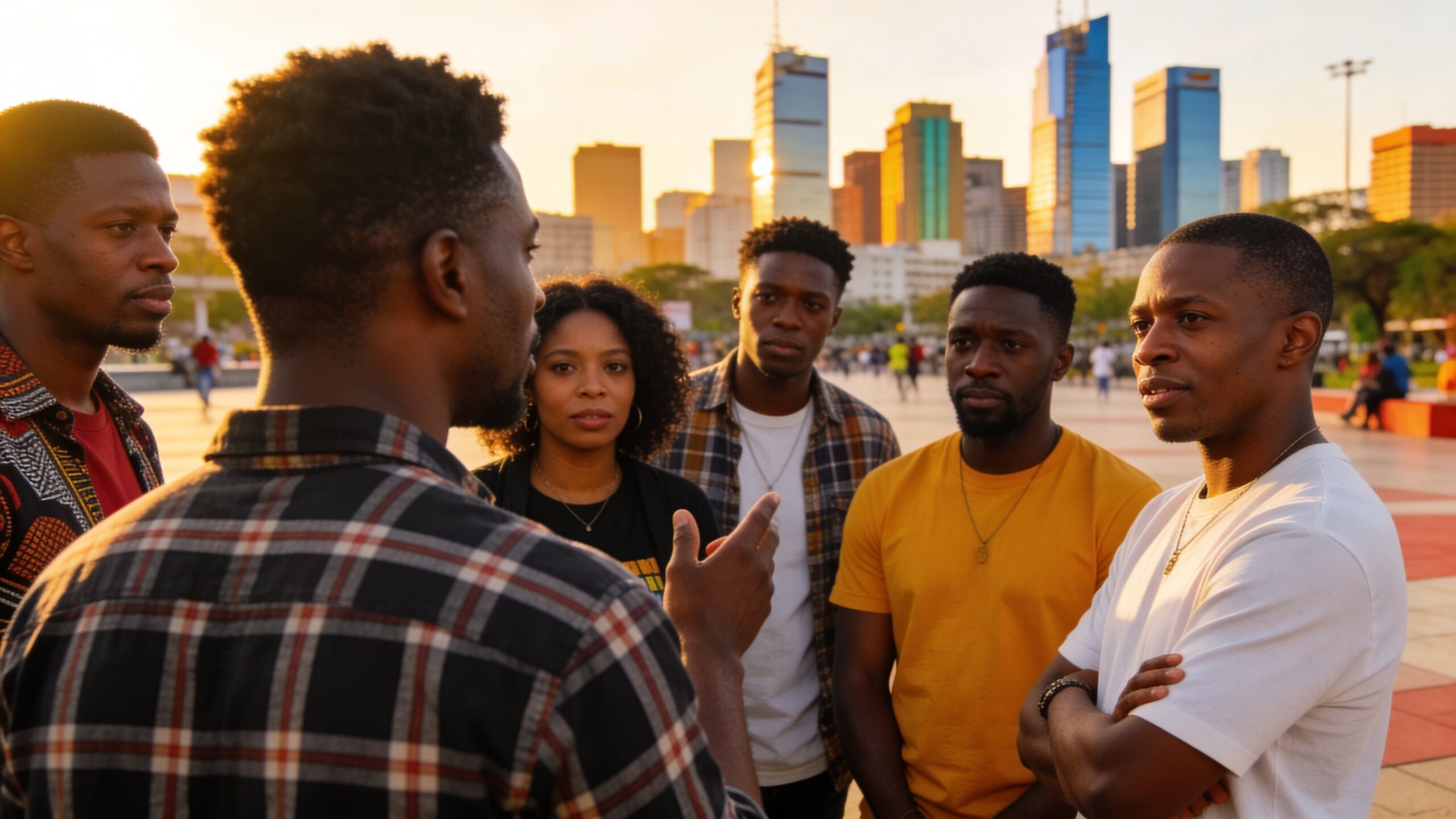
Across the vast and diverse landscapes of Africa, progressive movements have emerged as powerful engines of social transformation, political reform, and grassroots empowerment. From anti-colonial struggles of the twentieth century to modern campaigns for economic justice, gender equality, environmental protection, and democratic accountability, African progressive movements reflect a long tradition of communities challenging injustice and imagining fairer societies. These movements are not defined by a single ideology or region; rather, they represent a dynamic network of activists, intellectuals, labor leaders, students, and everyday citizens working to reshape systems of power. Throughout African history, progressive movements have played pivotal roles in dismantling colonial rule, advocating for workers’ rights, expanding educational access, and pushing governments toward more inclusive policies. In many countries, grassroots organizers have helped elevate marginalized voices, defend civil liberties, and promote sustainable development in the face of rapid political and economic change. Today, African progressive movements continue to evolve, blending traditional activism with digital organizing and global partnerships. The articles in this section explore the ideas, leaders, turning points, and cultural forces that have shaped these movements—and the ways they continue to influence the future of politics and society across the continent.
A: Movements that advocate reforms promoting social equality, justice, and democratic participation.
A: No, they vary widely by country, culture, and political context.
A: They laid the foundation for many modern progressive reforms.
A: Yes, youth activism is one of the fastest-growing forces in African politics.
A: No, many focus on economic justice, education, and social issues.
A: They are often the driving force behind reform efforts.
A: Many collaborate with international organizations and networks.
A: Political resistance, economic constraints, and institutional barriers.
A: Yes, many movements are actively shaping policy debates.
A: They reveal how societies pursue justice, reform, and democratic progress.