
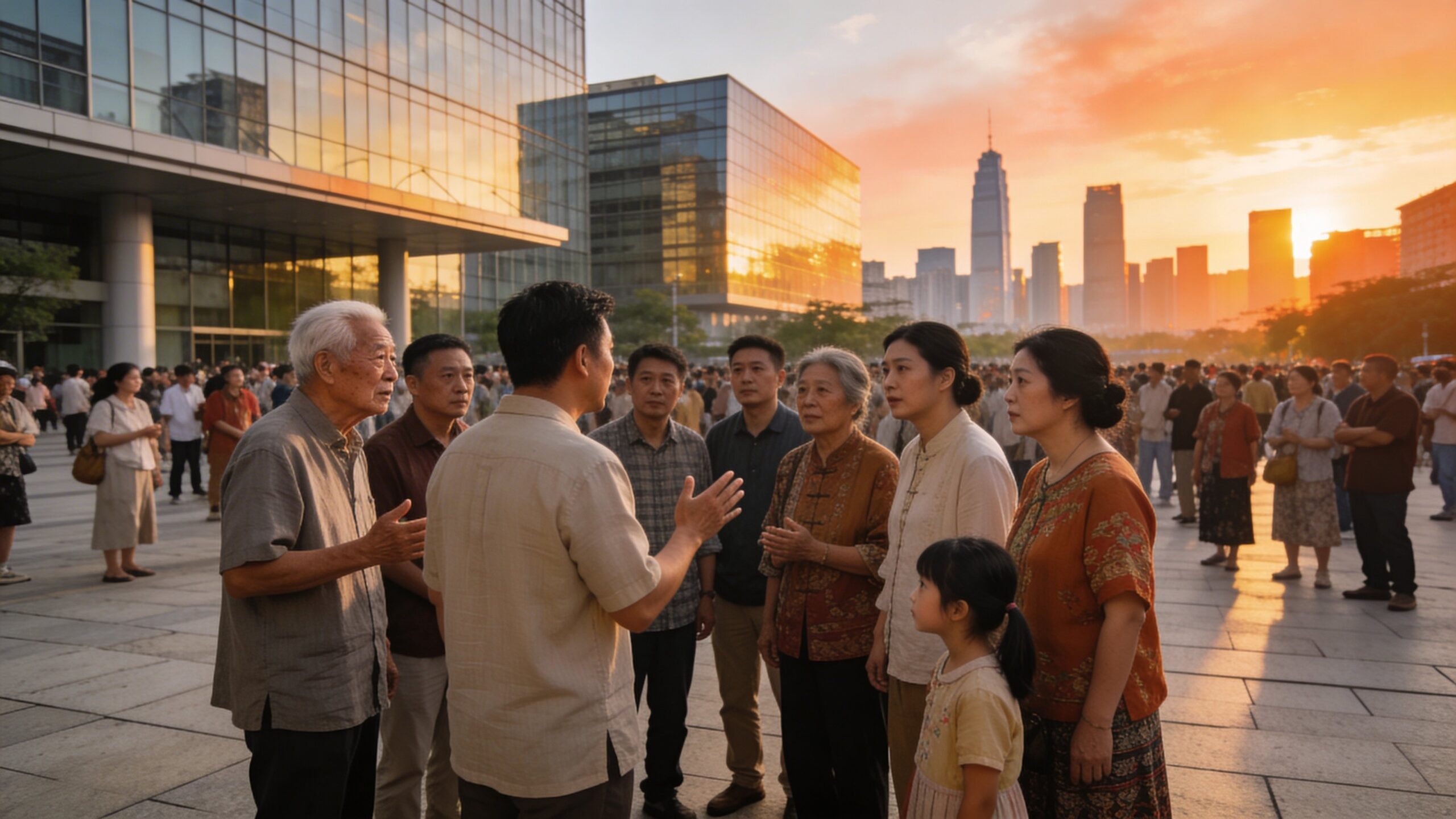
Across Asia, left-leaning political movements have played a powerful role in shaping revolutions, reform movements, labor struggles, and debates about economic justice. From early anti-colonial resistance movements to modern political parties advocating for workers’ rights, social welfare, and economic equality, Asian left movements have emerged in many forms across diverse cultures and political systems. The story of the political left in Asia is not a single narrative but a wide landscape of ideas, strategies, and historical turning points. In countries such as China, Vietnam, India, Japan, and South Korea, left-inspired organizations have influenced everything from national independence movements to labor reforms, student activism, and debates about globalization. Some movements have reshaped entire governments, while others have worked through grassroots organizing, unions, and social campaigns to influence policy from the ground up. On Left Streets, this section explores the ideas, leaders, symbols, and events that define Asian left movements. From revolutionary theory to real-world political action, these articles dive into the philosophies, struggles, and lasting impact of left-leaning movements across the Asian continent.
A: Generally support for economic equality, workers’ rights, and expanded social welfare.
A: No. Some are social democratic, labor-focused, or reformist rather than revolutionary.
A: Yes, many anti-colonial campaigns included socialist or worker-based organizing.
A: Yes, many continue through political parties, unions, and civic activism.
A: Student activism often drives political awareness and reform campaigns.
A: In many countries they still shape economic and political debates.
A: No, they vary greatly depending on national history and political systems.
A: Economic inequality, labor rights, climate policy, and social welfare.
A: It introduced new debates about labor, trade, and economic policy.
A: They help explain political change and social reform across modern Asia.