
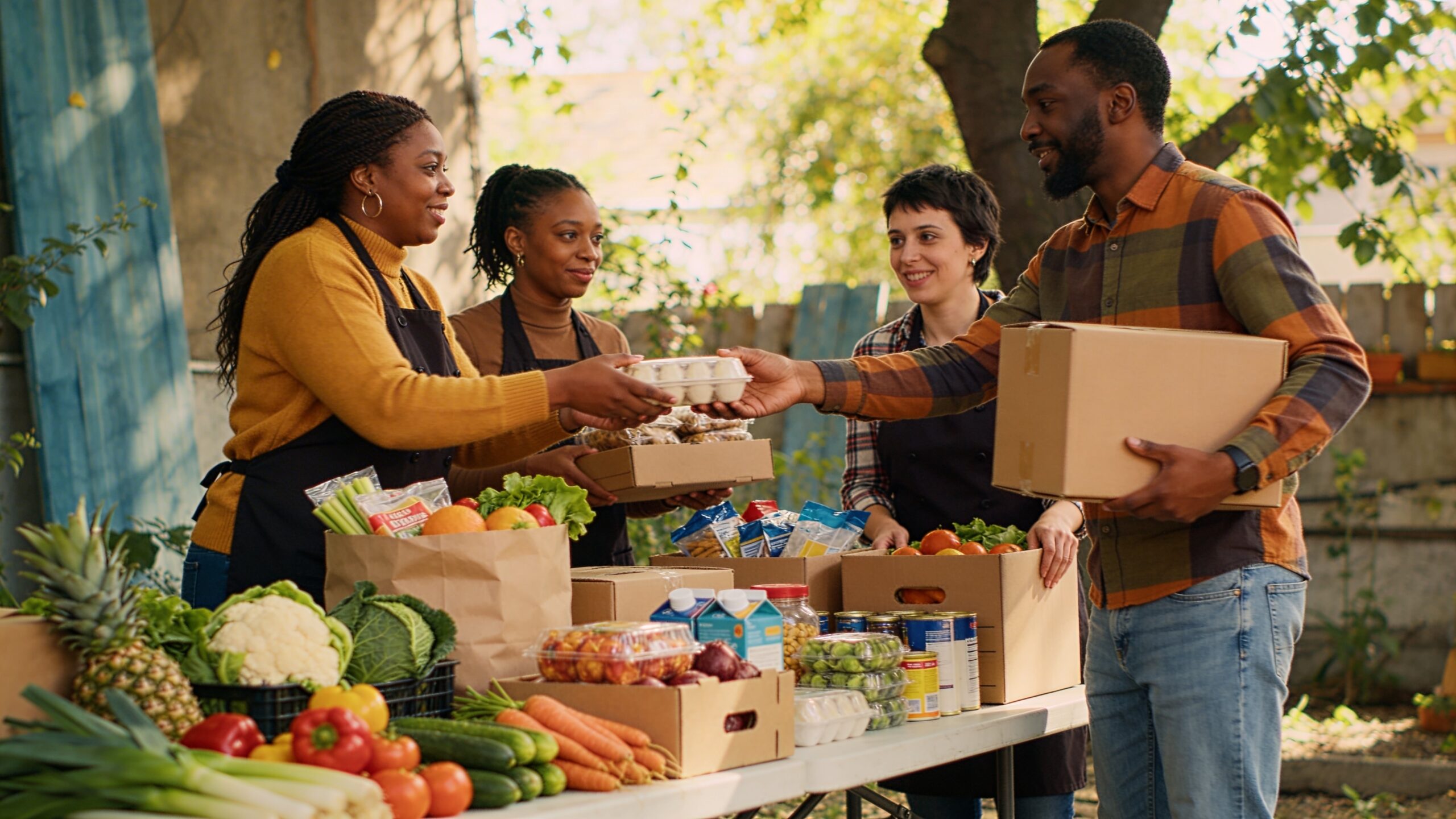
Mutual aid networks represent one of the most powerful examples of communities supporting one another outside traditional institutions. Built on cooperation, solidarity, and shared responsibility, these networks allow neighbors, activists, and everyday citizens to organize resources and support where it’s needed most. Rather than relying solely on government programs or charity systems, mutual aid is rooted in the idea that communities themselves often understand their needs best—and can act quickly to meet them. Across cities, towns, and digital spaces, mutual aid networks bring people together to share food, housing assistance, medical supplies, transportation, childcare, and emotional support. These systems operate horizontally, meaning participants collaborate as equals rather than through rigid hierarchies. The focus is not only on providing relief during crises but also on building long-term relationships that strengthen communities. Historically, mutual aid has played a role in labor movements, civil rights organizing, disaster response, and grassroots activism. Today, it continues to evolve as technology connects people across neighborhoods and continents. This section of Left Streets explores the ideas, history, and real-world impact of mutual aid networks—highlighting how collective care and cooperation can reshape the way societies respond to hardship and opportunity.
A: A community group where people share resources and support each other directly.
A: Mutual aid focuses on solidarity and shared participation rather than one-way assistance.
A: Anyone in the community can contribute or receive support.
A: Many are informal grassroots groups without strict hierarchy.
A: Food, transportation, childcare, housing help, and emergency support.
A: They typically complement existing systems rather than replace them.
A: Through local organizations, community boards, and online platforms.
A: Some form during crises, while others operate continuously.
A: They strengthen community resilience and cooperation.
A: Yes—many networks thrive in both rural and urban communities.