
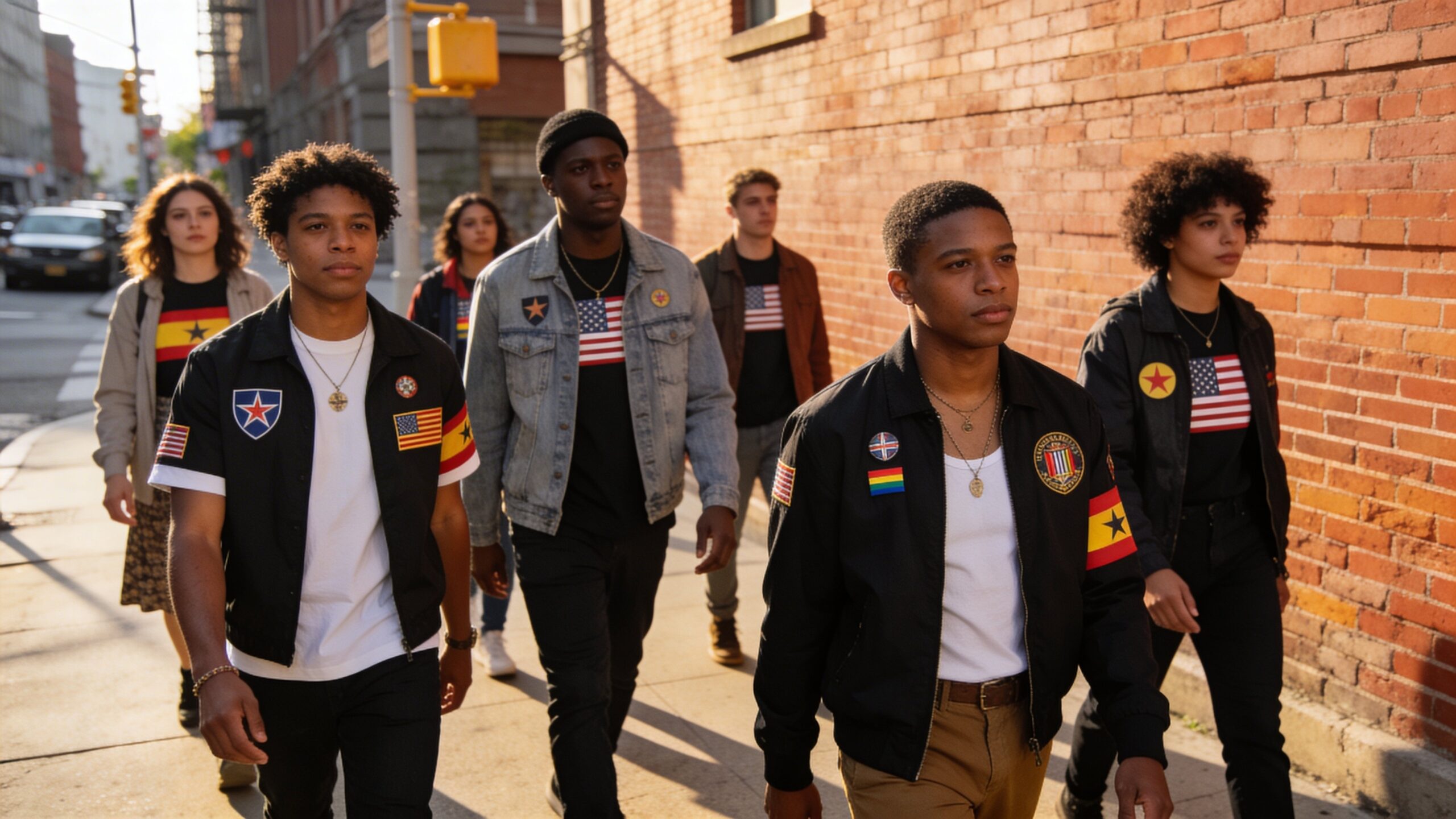
Fashion has never been just about fabric, color, or silhouette. It has long served as a public language—one that can signal resistance, solidarity, rebellion, identity, class, ideology, and cultural change without saying a single word. On a page devoted to Fashion & Political Expression, the story goes far beyond trends. Here, clothing becomes a visible argument, accessories become symbols, and style choices become part of larger conversations about power, justice, freedom, and belonging. From protest T-shirts and suffrage white to black berets, union jackets, slogan wear, and modern runway activism, political meaning often travels through what people choose to wear and how institutions respond to it. Sometimes fashion challenges authority. Sometimes it reinforces the status quo. Often, it does both at once. This section explores how garments, colors, uniforms, and iconic looks have shaped political movements, reflected social struggles, and influenced public perception across generations. Fashion is not only personal expression—it is also a stage where values, conflict, identity, and history are constantly put on display.
A: Yes. Clothing can express identity, values, protest, affiliation, and social position.
A: No. Color, silhouette, uniformity, and cultural references can all communicate meaning.
A: It creates visibility, unity, symbolism, and memorable public imagery.
A: Yes. It can reflect power, critique systems, or absorb activist themes into elite spaces.
A: Shared recognition, historical context, repetition, and emotional connection.
A: Often yes; messaging may be progressive while labor or sourcing practices remain unequal.
A: Absolutely. They can enforce norms about professionalism, gender, class, and belonging.
A: Yes. Everyday choices in color, accessories, and styling can carry strong meaning.
A: A recognizable look helps build identity, solidarity, and public memory.
A: Yes. Symbols evolve as culture, media, and power relationships shift.