
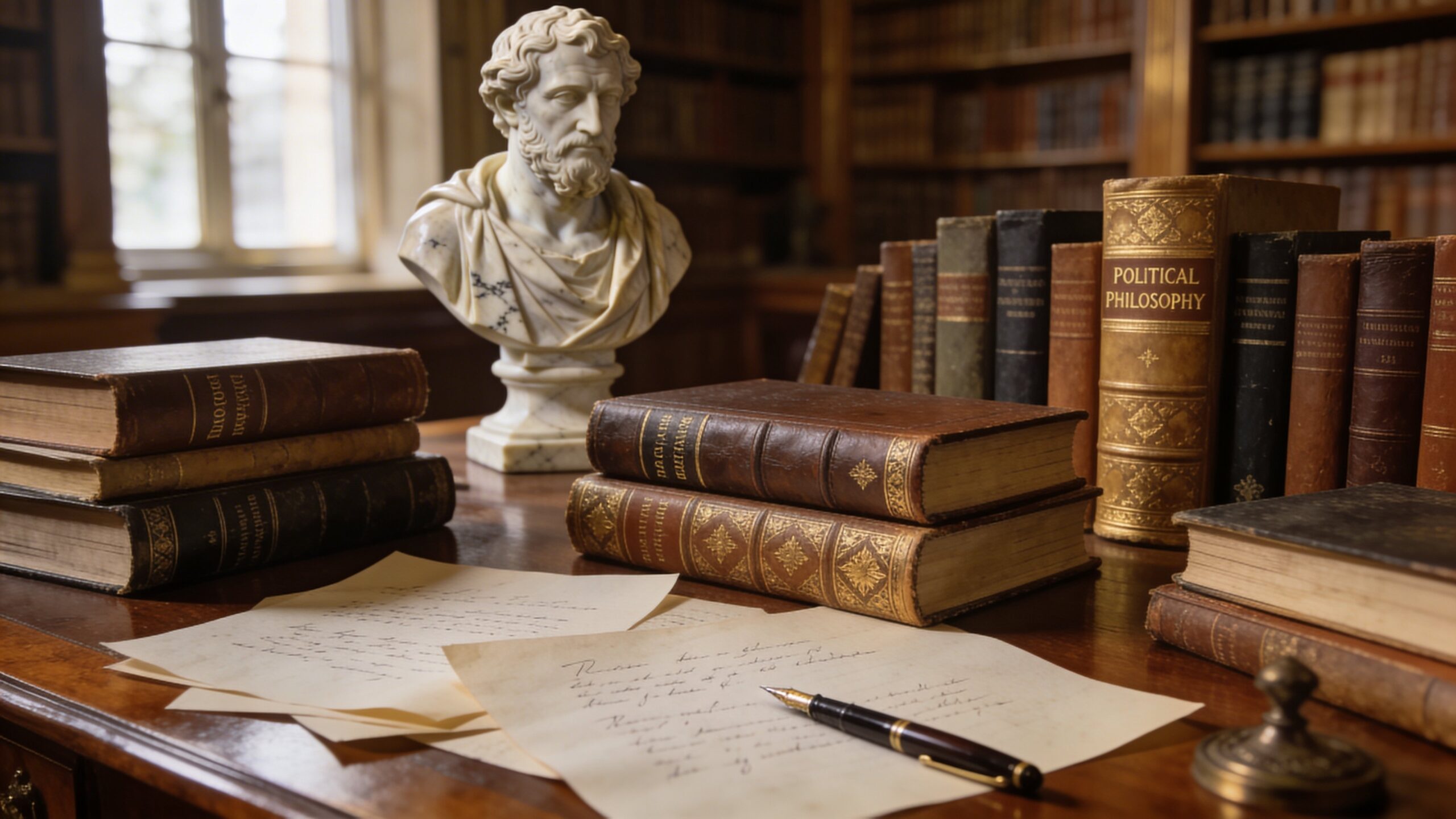
Political philosophy is where ideas about power, justice, freedom, and equality come to life. It asks the big questions that shape societies: What makes a government legitimate? How much power should the state have? What rights belong to individuals, and what responsibilities do we share with one another? For centuries, philosophers, revolutionaries, economists, and activists have wrestled with these questions, building the intellectual foundations behind modern politics. On the left side of the political spectrum, political philosophy often explores themes like social justice, economic fairness, collective responsibility, and the role of institutions in protecting vulnerable communities. From debates about workers’ rights and welfare systems to discussions about democracy, civil liberties, and equality under the law, left-leaning political thought seeks to examine how societies can distribute opportunity and power more fairly. This section of Left Streets explores the ideas, movements, and debates that have shaped progressive political thinking. Here you’ll discover the thinkers, theories, historical moments, and real-world policies that continue to influence political conversations across the globe.
A: It is the study of ideas about power, justice, rights, and government.
A: Equality, social welfare, workers’ rights, and democratic participation.
A: Philosophical ideas shape laws, institutions, and public policy.
A: No. Its ideas often influence activism, reforms, and real-world movements.
A: Yes. They evolve as societies confront new economic and social challenges.
A: Scholars, students, policymakers, and citizens interested in political ideas.
A: Absolutely—many current policies trace back to philosophical arguments.
A: Yes. Different thinkers propose varying approaches to equality and justice.
A: Many economic and social policies originate from philosophical frameworks.
A: It helps people understand the ideas shaping modern political systems.