
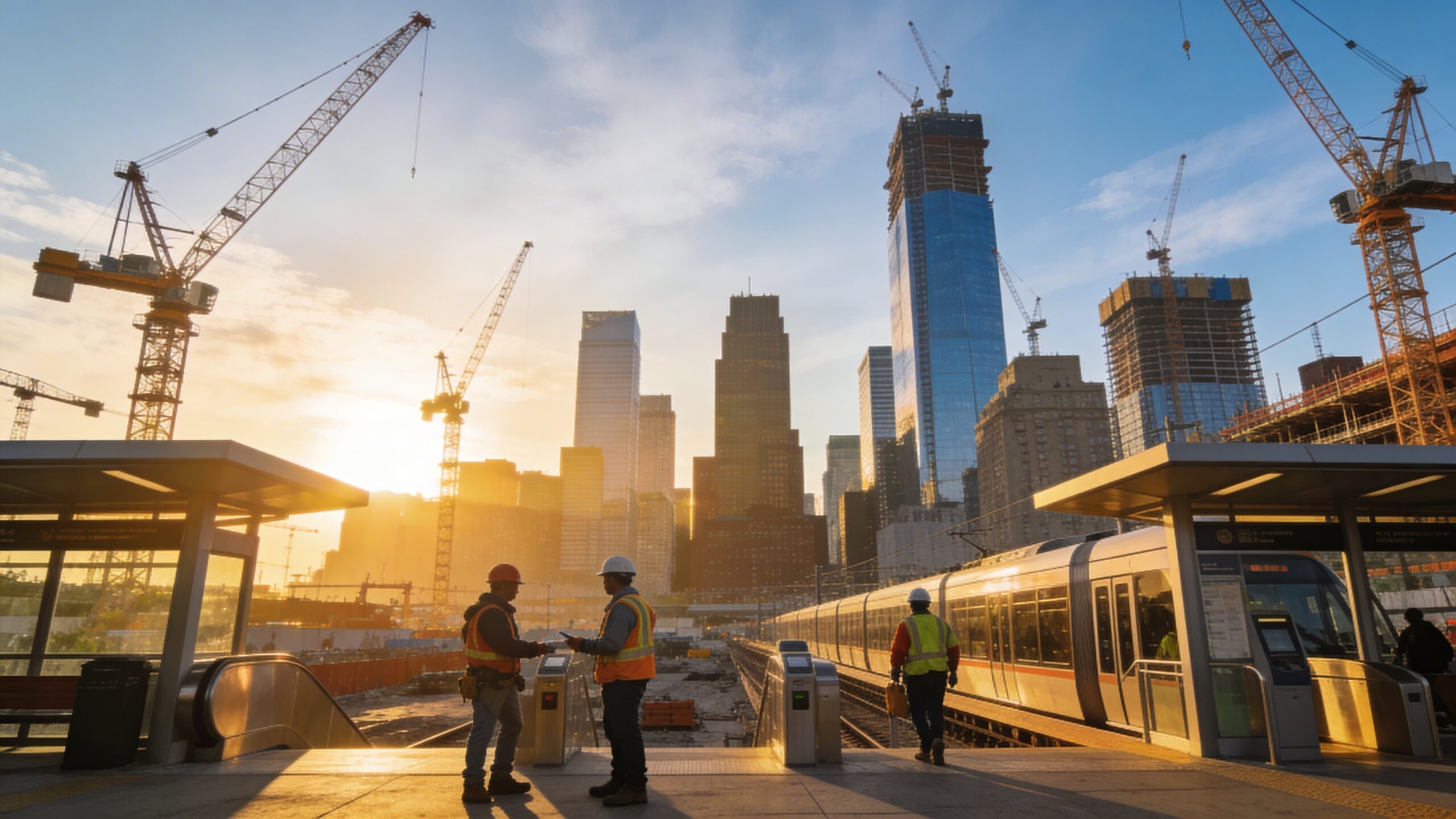
Economic policy is where values meet reality. It is the arena where ideas about fairness, growth, opportunity, and power turn into budgets, laws, taxes, and investments that shape everyday life. On Left Streets, this Economic Policy hub explores how progressive and left-leaning frameworks approach the economy—not as a distant market machine, but as a human system designed to serve communities. From debates over minimum wage and labor rights to conversations about public investment, healthcare funding, housing affordability, climate spending, and wealth inequality, economic policy influences who thrives and who struggles. It determines how opportunity is distributed, how crises are managed, and how future generations are supported. Here, you’ll find clear breakdowns, historical context, real-world case studies, and forward-looking proposals that challenge conventional thinking. Whether you are curious about social democracy, public banking, tax reform, industrial policy, or universal programs, this section connects theory to lived experience. Economic policy is not just numbers on a spreadsheet—it is the blueprint for the society we choose to build.
A: A tax system where higher incomes are taxed at higher rates.
A: To align earnings with living costs and reduce poverty.
A: Not necessarily; it depends on capacity, demand, and policy design.
A: Strategic public investment in targeted industries.
A: By increasing competition and lowering prices.
A: Programs that protect against economic hardship.
A: In downturns, targeted deficits can stimulate recovery.
A: Energy, jobs, and infrastructure are core economic drivers.
A: Unequal distribution of assets across society.
A: It shapes wages, prices, opportunity, and long-term prosperity.