
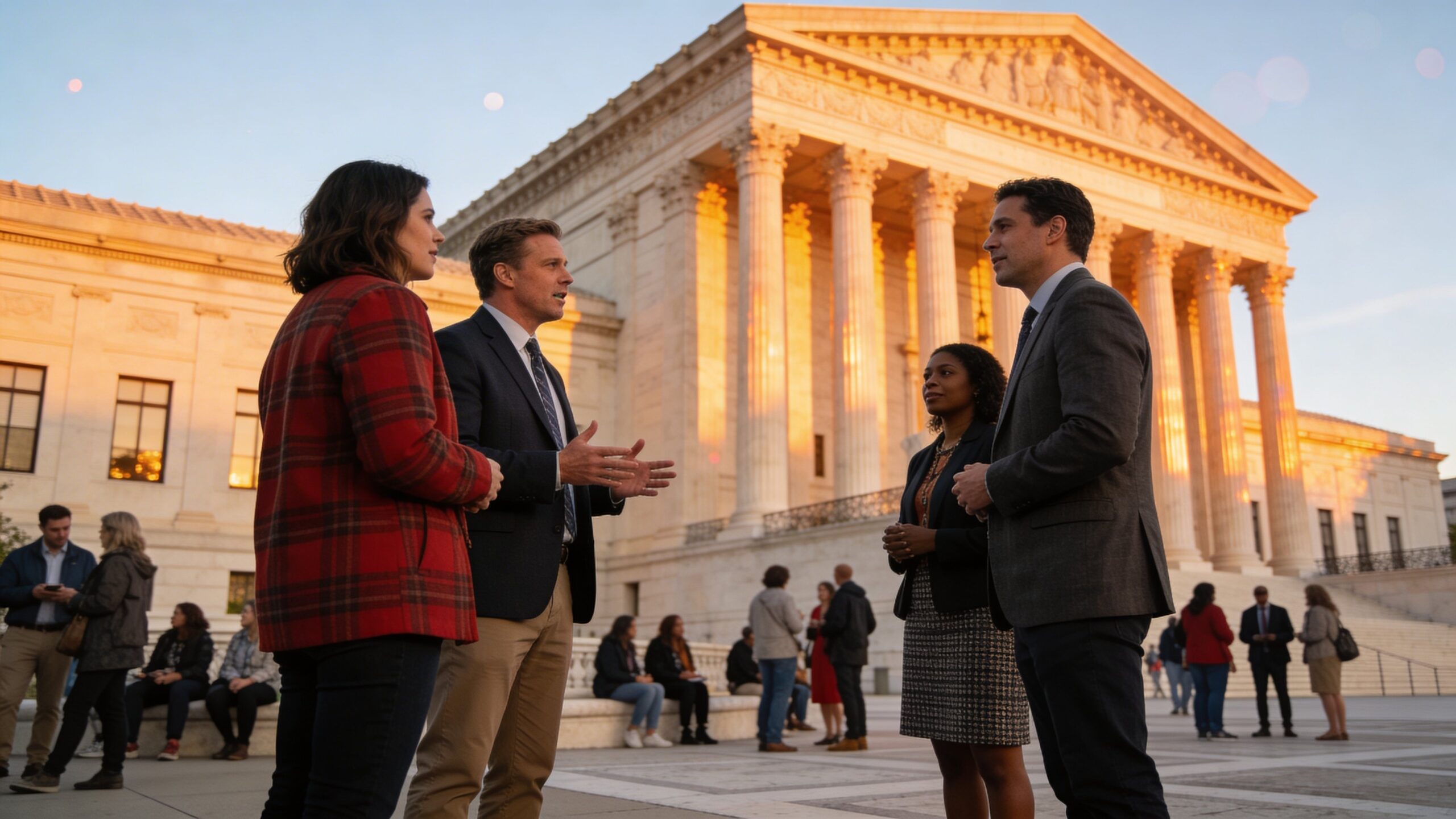
Politics shapes the way societies organize power, make decisions, and debate the future. Yet political conversations are often filled with terms that sound familiar but are not always clearly understood. Words like democracy, populism, socialism, and regulation appear in headlines, speeches, and debates every day, but their meanings carry deeper historical roots and evolving interpretations. Understanding these terms is the first step toward making sense of modern political discussions. The Political Terms & Definitions section on Left Streets is designed to break down the language of politics in a clear, engaging, and accessible way. Here you will find explanations of key political ideas, ideologies, institutions, and policy concepts that influence governments and societies around the world. From foundational ideas about equality and economic justice to modern debates about labor, markets, and public programs, each article explores what these terms mean and how they shape real-world policies. Whether you are exploring political ideas for the first time or looking to deepen your understanding, this collection provides the vocabulary needed to navigate political conversations with confidence and clarity.
A: It generally refers to political views supporting social equality and stronger public programs.
A: A political and economic system emphasizing public ownership or regulation of key industries.
A: A system combining market economies with strong welfare programs.
A: Policies aimed at expanding social programs and addressing inequality.
A: Government policies that transfer resources through taxes and benefits.
A: They represent workers in negotiating wages and conditions.
A: It balances economic freedom with consumer and worker protection.
A: A government system providing social protections like healthcare and pensions.
A: The unequal distribution of income and wealth.
A: Understanding terms helps people navigate political debates and policy discussions.