
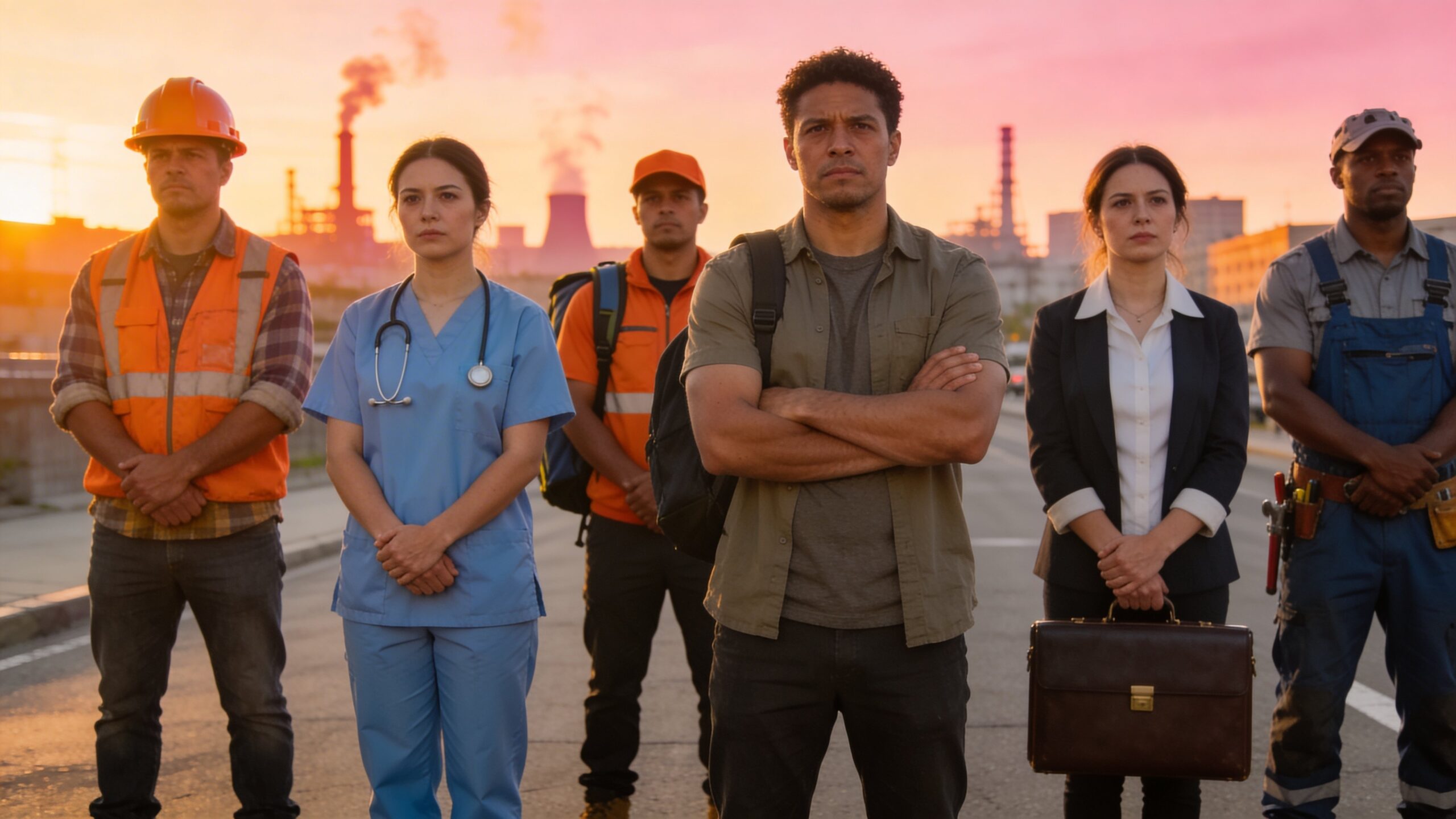
Labor organizing has long been one of the most powerful tools working people use to shape the conditions of their lives. From factory floors during the Industrial Revolution to modern tech offices and service industries, organizing allows workers to unite around shared goals—fair wages, safe workplaces, predictable schedules, and a voice in decisions that affect their livelihoods. At its heart, labor organizing is about collective power: individuals coming together to negotiate with employers on more equal footing. Throughout history, organized labor movements have influenced everything from the eight-hour workday to workplace safety standards and overtime protections. Strikes, unions, worker committees, and grassroots campaigns have all played roles in expanding economic rights and reshaping labor laws. These efforts often emerge during periods of economic tension, technological change, or widening inequality, when workers seek greater stability and dignity in their work. On Left Streets, this section explores the ideas, history, strategies, and real-world outcomes of labor organizing. You’ll find articles examining how organizing campaigns begin, the legal frameworks around unions, the victories and setbacks of labor movements, and the ways worker solidarity continues to shape economies and societies today.
A: It is the process of workers joining together to advocate for better wages, benefits, and working conditions.
A: A labor union is an organization representing workers in negotiations with employers.
A: Negotiations between workers and employers over pay, benefits, and workplace rules.
A: A temporary work stoppage used to pressure employers during disputes.
A: Yes, worker committees and informal groups can advocate collectively.
A: Yes, though laws and participation vary by country.
A: Historically manufacturing, transportation, public sector, and service industries.
A: It regulates union formation, elections, and collective bargaining rights.
A: Yes, modern organizing is growing in sectors like tech, media, and logistics.
A: To gain stronger influence over wages, conditions, and workplace decisions.