
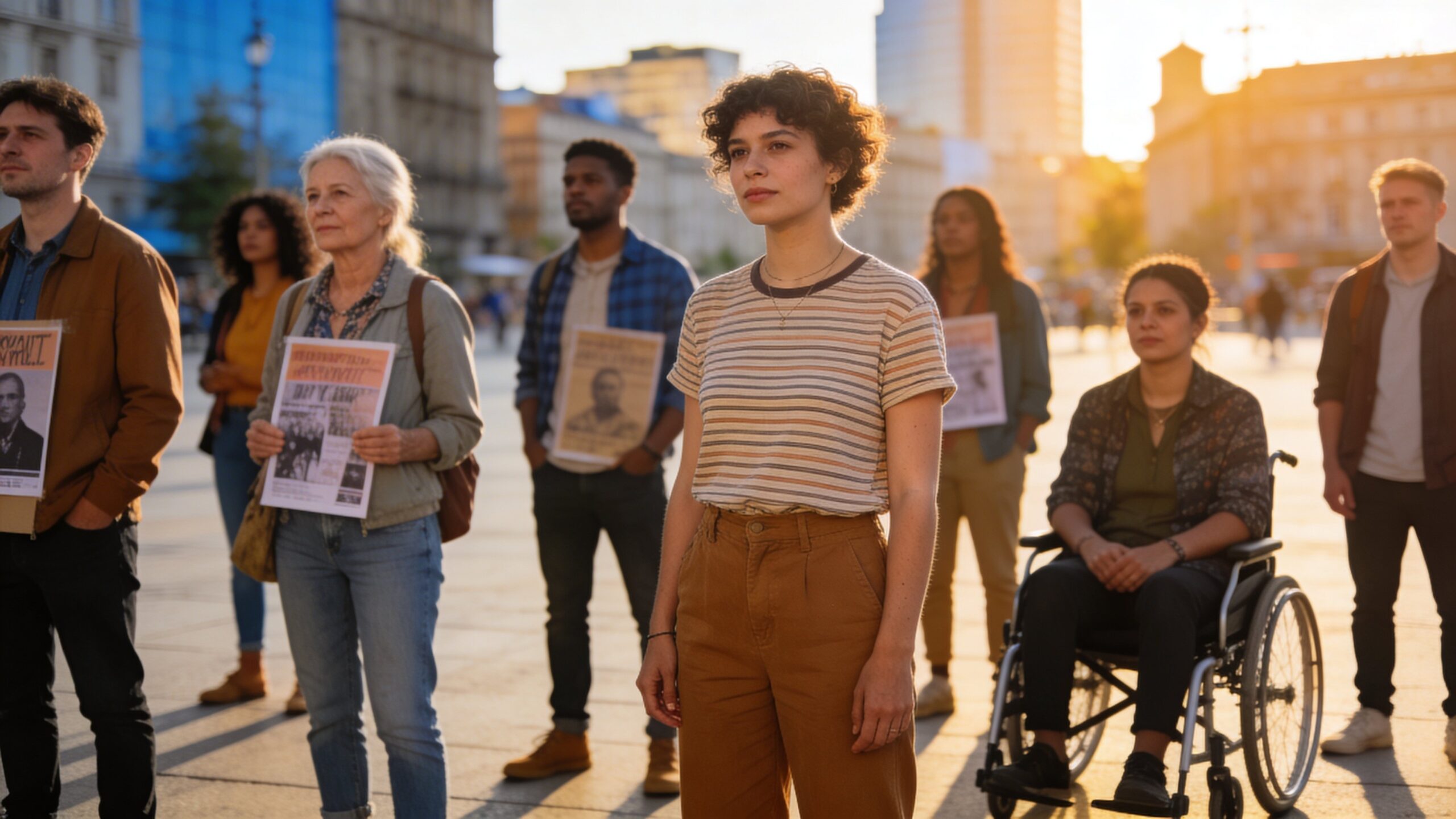
Identity and representation shape how people see themselves, how communities are understood, and how power moves through culture, law, media, and public life. On Left Streets, this section explores the stories, symbols, struggles, and breakthroughs that define who gets seen, who gets heard, and who gets left out. From race, gender, class, nationality, disability, and religion to language, visibility, and belonging, identity is never just personal. It is also political, social, and deeply connected to opportunity. The articles in this category dig into the ways representation influences everyday life, from classrooms and workplaces to entertainment, activism, and government. Some pieces look at progress and possibility. Others examine erasure, stereotyping, and the systems that shape public perception. Together, they reveal that identity is not a side issue in politics. It is central to the fight over fairness, dignity, and democracy itself. Whether you want to understand historical turning points, modern debates, or the lived realities behind headlines, this collection offers a sharper view of how identity and representation continue to reshape the left, the culture, and the future.
A: It means people and communities having voice, visibility, and influence in institutions and public decisions.
A: Because many left-leaning movements connect identity to fairness, exclusion, rights, and structural inequality.
A: No. It also includes schools, workplaces, courts, legislatures, leadership, and civic life.
A: Tokenism is symbolic inclusion that creates appearance without meaningful power or change.
A: It is a framework for understanding how different identities and systems of inequality overlap.
A: It can, but supporters argue it also names real inequities that broad language can hide.
A: Diversity is who is present; inclusion is whether those people are respected and heard.
A: Symbols can communicate pride, memory, solidarity, and political demands quickly and powerfully.
A: Not by itself. It can help, but lasting change usually requires policy and institutional reform.
A: Because how people are portrayed often shapes how they are treated in real life.