
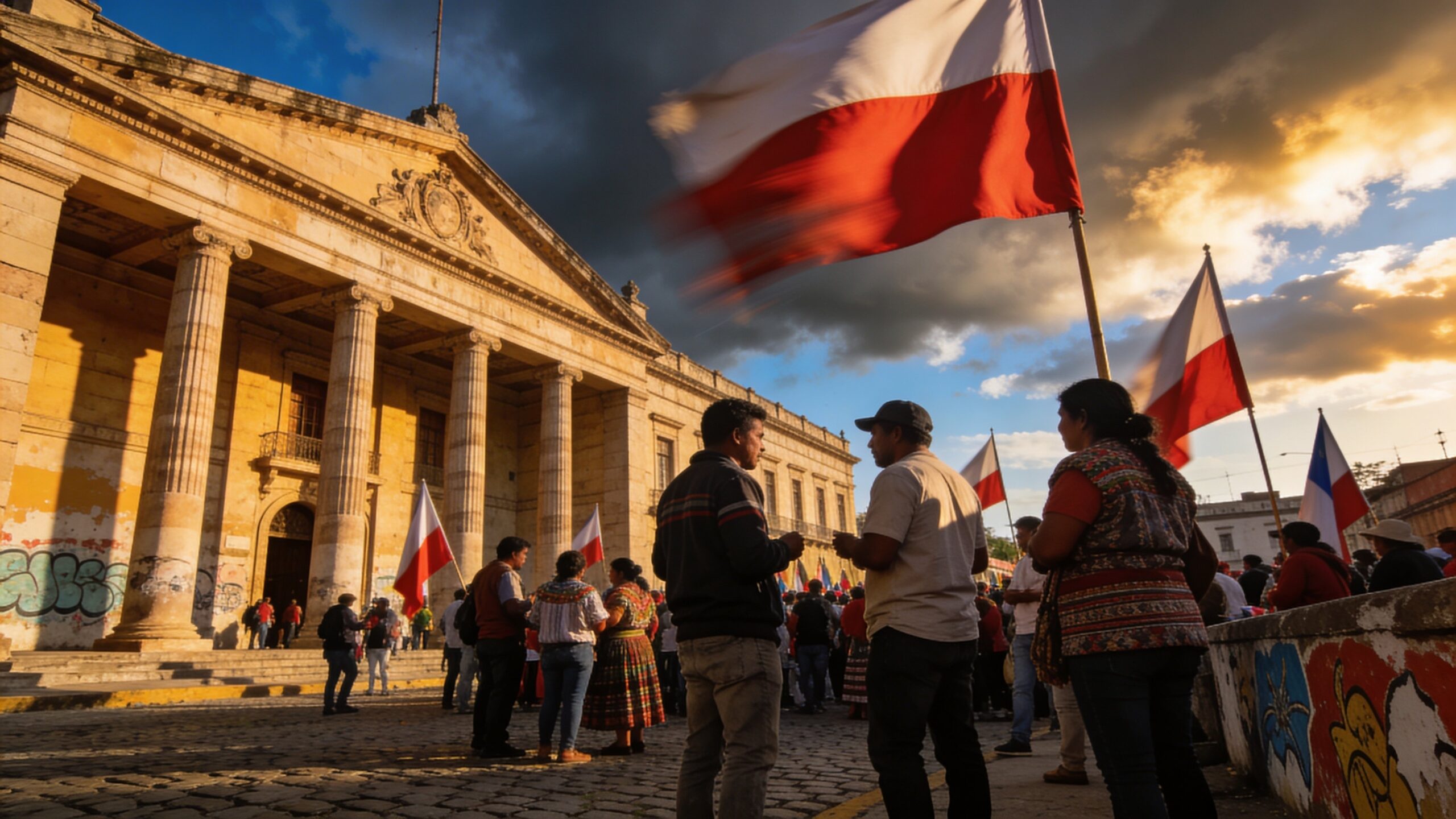
Across Latin America, political movements on the left have shaped revolutions, elections, and national identities for more than a century. From labor uprisings and land reform movements to modern debates about inequality, social welfare, and economic sovereignty, the Latin American Left represents a diverse and evolving political landscape. While the term “left” often suggests a shared commitment to social justice, stronger public institutions, and reduced economic inequality, the paths taken by different countries have been remarkably varied. In some nations, left-leaning leaders emerged through grassroots organizing and democratic elections. In others, revolutionary movements sought to dramatically reshape society through radical political change. The result is a complex story filled with charismatic leaders, bold experiments in governance, controversial policies, and enduring debates about development, democracy, and global influence. The articles in this section explore the ideas, events, and personalities that have defined the Latin American Left—from early labor movements and socialist thought to the “Pink Tide” governments of the twenty-first century. Together, these stories reveal how ideology, history, and culture intersect across a region where politics is often passionate, deeply personal, and closely tied to questions of justice, identity, and national destiny.
A: It refers to political movements advocating social equality, economic reforms, and stronger public institutions.
A: No. Ideologies, policies, and strategies vary widely across nations.
A: A wave of left-leaning governments elected across Latin America in the early 2000s.
A: Poverty reduction, social welfare, labor rights, and economic inequality.
A: Not necessarily—many operate within democratic political systems.
A: Control of oil, gas, and minerals often shapes national policy debates.
A: Yes, some alliances promote economic and political cooperation.
A: Latin America historically has had some of the world’s highest income gaps.
A: They aim to reduce poverty and improve access to services.
A: Yes, new movements and leaders continue to reshape the political landscape.