
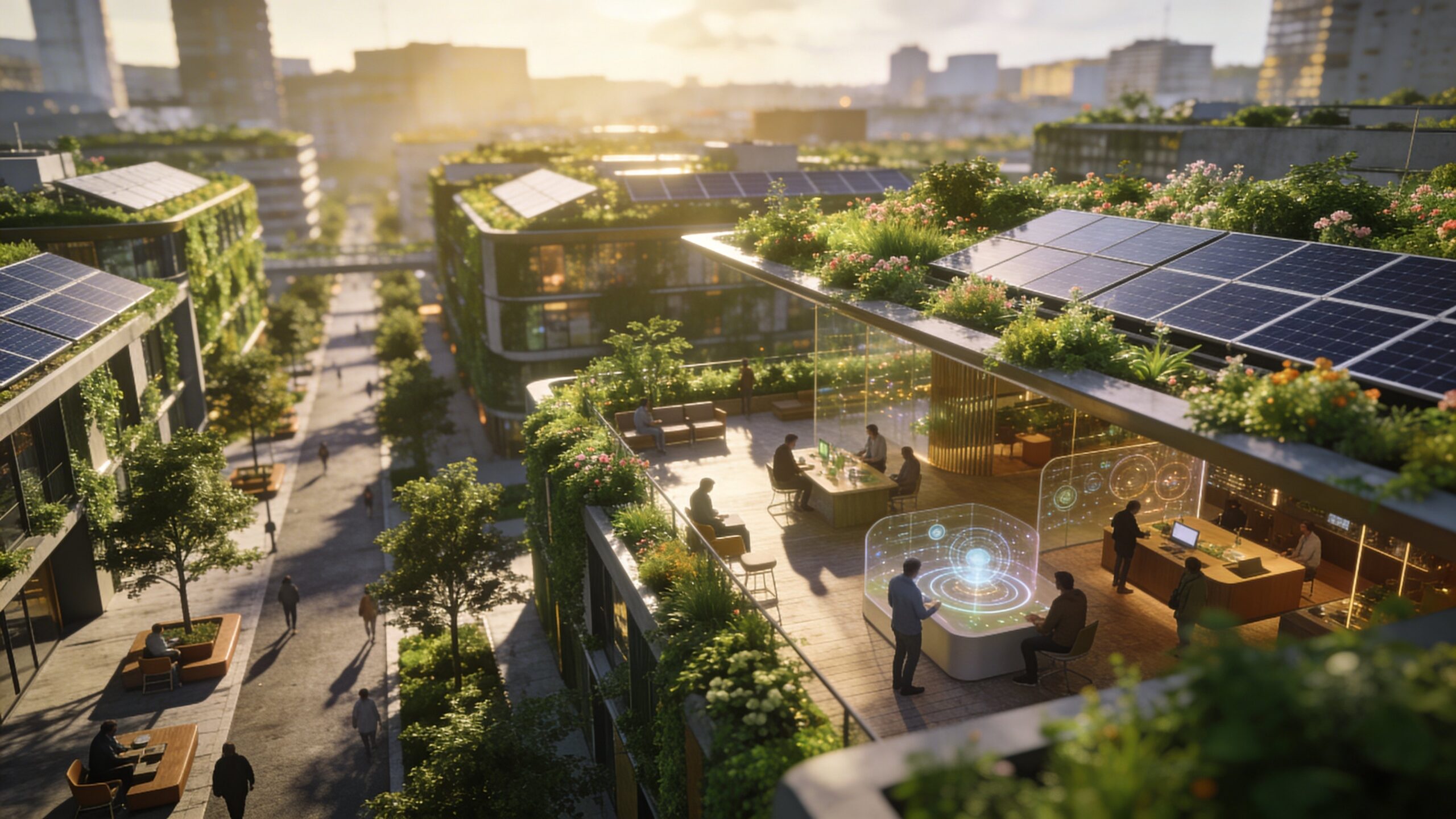
Utopian and post-capitalist thought explores one of the most enduring questions in political philosophy: what might society look like beyond the limits of today’s economic systems? From early visions of cooperative communities to modern debates about automation, universal basic income, and shared ownership, these ideas imagine futures where prosperity, freedom, and human flourishing are organized differently. Throughout history, thinkers, activists, and reformers have proposed alternatives to traditional capitalism. Some envisioned carefully planned societies built on equality and cooperation. Others focused on how technological progress could transform work itself, creating a world where creativity, education, and community replace endless economic competition. While many of these ideas remain theoretical, they continue to shape real discussions about labor, inequality, sustainability, and democracy. On Left Streets, this section explores the bold thinkers, historical experiments, and modern debates that define utopian and post-capitalist imagination. From philosophical foundations to real-world policy discussions, these articles examine how people have tried to redesign economic life—and why the search for a more just and humane society continues to inspire thinkers around the world.
A: It refers to economic systems imagined to replace or evolve beyond traditional capitalism.
A: Early socialist thinkers proposed cooperative communities organized around equality.
A: A business owned and democratically run by its employees.
A: A policy providing all citizens with guaranteed regular payments.
A: Some are theoretical, but many have been tested through real programs and cooperatives.
A: Automation could reduce traditional jobs and reshape economic structures.
A: Resources shared and managed collectively rather than privately owned.
A: They demonstrate democratic alternatives within modern economies.
A: Some do, while others propose hybrid systems with both markets and planning.
A: They address ongoing concerns about inequality, technology, and sustainability.