
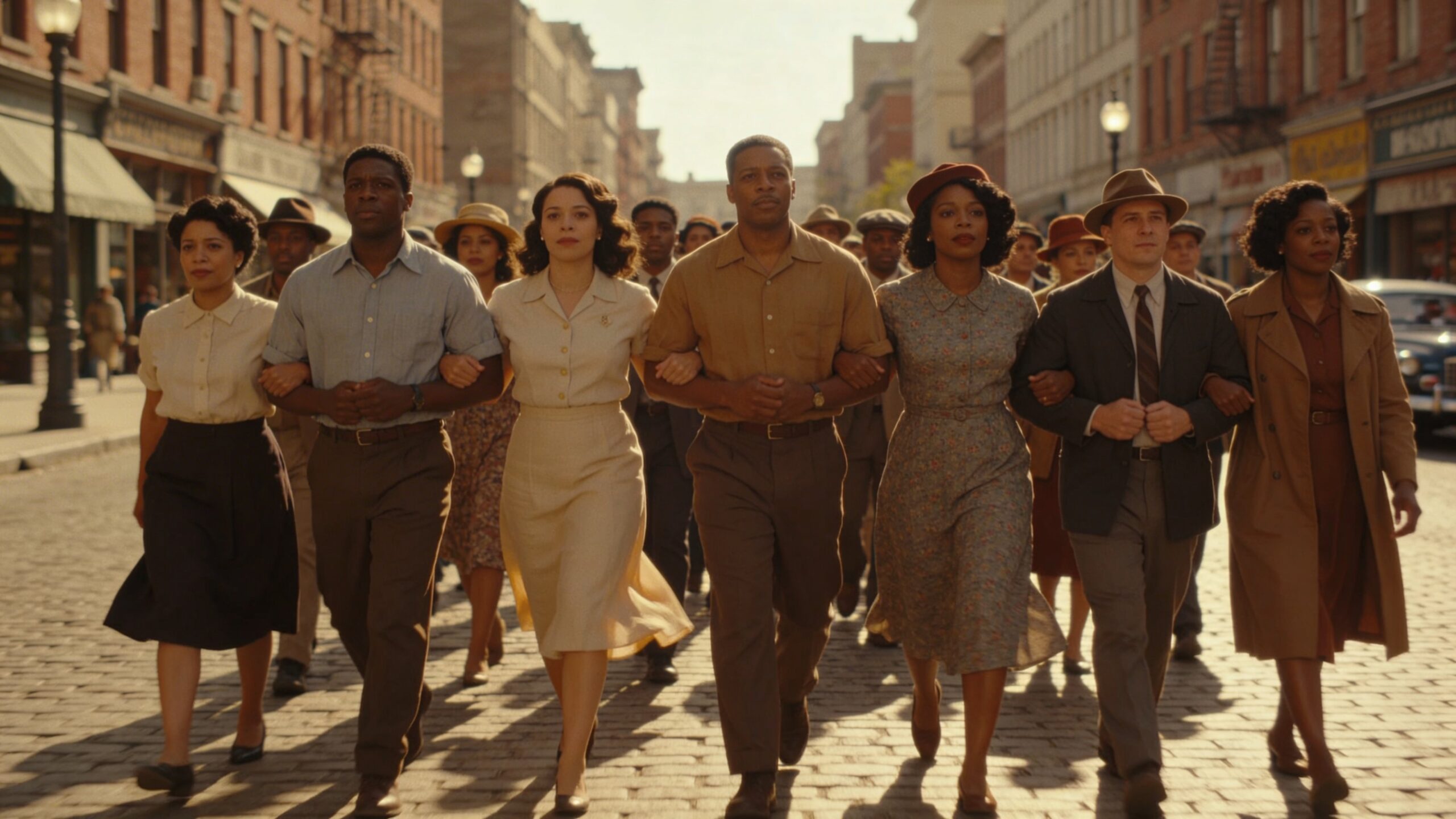
The Civil Rights Era stands as one of the most powerful and transformative chapters in American history. It was a time of courage, conflict, sacrifice, and determination, when ordinary people challenged deeply rooted injustice and demanded that the nation live up to its highest ideals of equality and freedom. From courtroom battles and peaceful marches to student sit-ins and landmark speeches, the era reshaped the political, social, and moral landscape of the United States. It was not only a struggle for legal rights, but also a movement for dignity, access, opportunity, and the basic recognition of humanity. On Left Streets, this Civil Rights Era page explores the ideas, leaders, protests, victories, setbacks, and turning points that defined the movement. Here, readers can discover how grassroots activism changed laws, how communities organized under pressure, and how images, music, language, and public resistance became tools of historic change. Whether you are interested in major legislation, famous moments, lesser-known organizers, or the lasting impact of the era on modern politics and culture, this collection opens the door to a story that still echoes through public life today.
A: It was a major period of activism focused on ending racial segregation, protecting voting rights, and expanding equal treatment under the law.
A: No. While many defining battles happened in the South, civil rights struggles also shaped Northern and Western cities.
A: Nonviolence helped expose injustice, attract broader public support, and frame the movement as a moral challenge to the nation.
A: No. Local organizers, students, clergy, women, and community members were essential to its success.
A: Access to the ballot shaped representation, policy, and the ability of communities to defend other rights.
A: Coverage of marches, arrests, and violence helped turn local conflicts into national issues.
A: No. It achieved major legal and political victories, but many forms of inequality continued afterward.
A: Its debates over democracy, protest, citizenship, and justice still shape modern public life.
A: Boycotts, sit-ins, marches, freedom rides, voter registration drives, and court challenges were all important methods.
A: It showed that organized citizens can pressure institutions, reshape laws, and redefine the meaning of equality.