
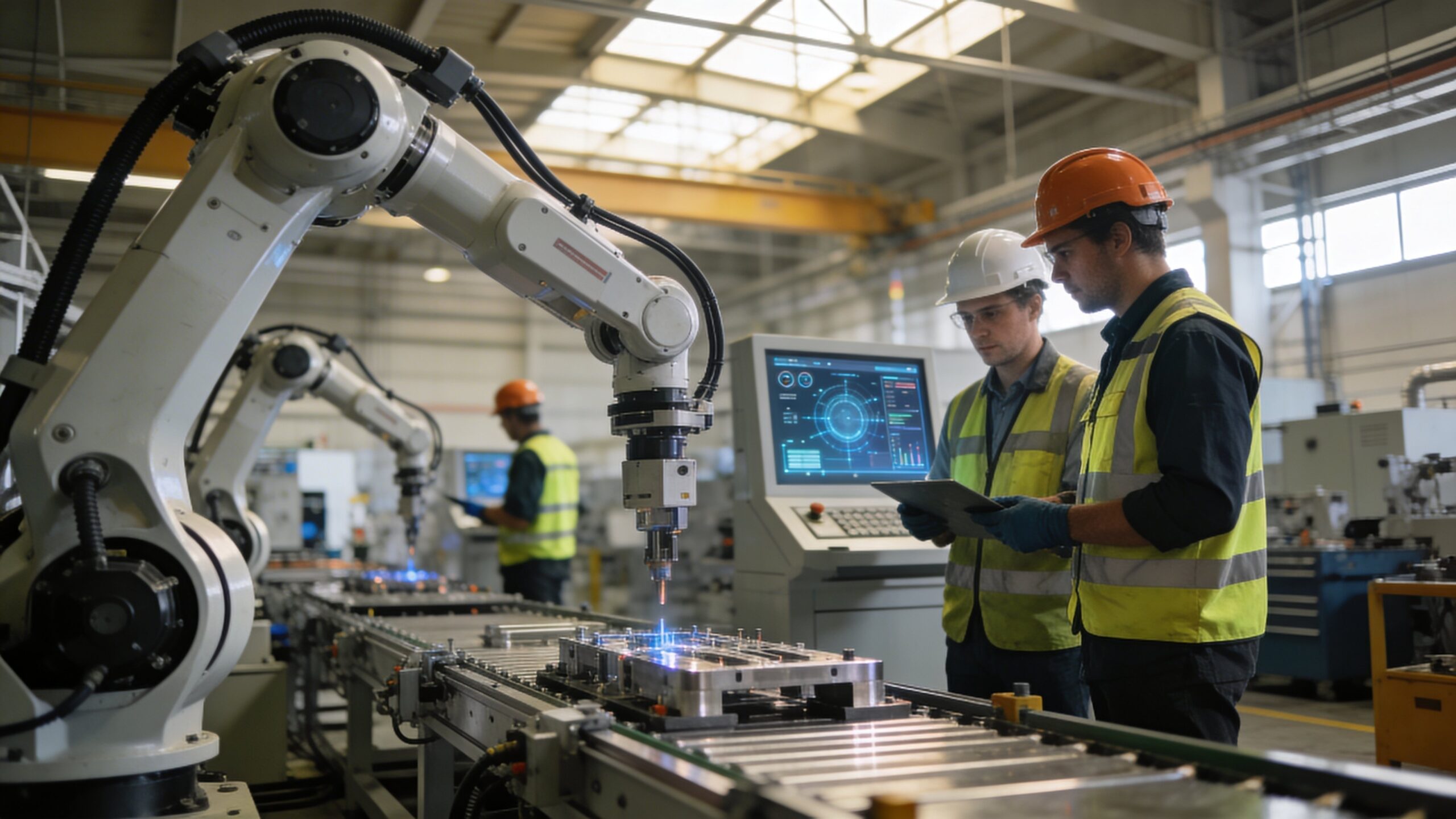
Artificial intelligence and automation are reshaping the modern economy at a breathtaking pace. Machines that once handled only repetitive factory tasks are now analyzing data, writing software, driving vehicles, and even assisting in creative work. As these technologies evolve, they are transforming not only how work is done, but also who does it—and what the future of labor might look like. On Left Streets, the conversation around AI, Automation & Labor explores the intersection of technology, economic systems, and workers’ rights. Supporters argue that automation can boost productivity, reduce dangerous labor, and unlock new industries. Critics counter that without thoughtful policies, rapid automation could widen inequality, displace workers, and concentrate wealth in fewer hands. This section examines the deeper questions behind the headlines. How will automation change wages and job security? Can societies retrain workers quickly enough to keep pace with technological change? What role should governments, companies, and labor movements play in shaping the transition? From historical automation waves to the rise of algorithmic workplaces, these articles explore how technology and labor are intertwined—and why the choices societies make today will shape the future of work for decades.
A: Historically, technology changes jobs more than it eliminates them entirely.
A: Manufacturing, logistics, retail, finance, and customer service.
A: Software systems that assign tasks and evaluate worker performance.
A: A proposed policy providing regular payments to all citizens.
A: Productivity gains can raise wages if benefits are widely distributed.
A: Workers may need new skills as technology reshapes industries.
A: In some cases, but new technical and maintenance jobs also emerge.
A: Policies often include training programs, regulation, and labor protections.
A: Many experts believe digital technologies accelerate change.
A: Technology, economic policy, education, and worker organization.