
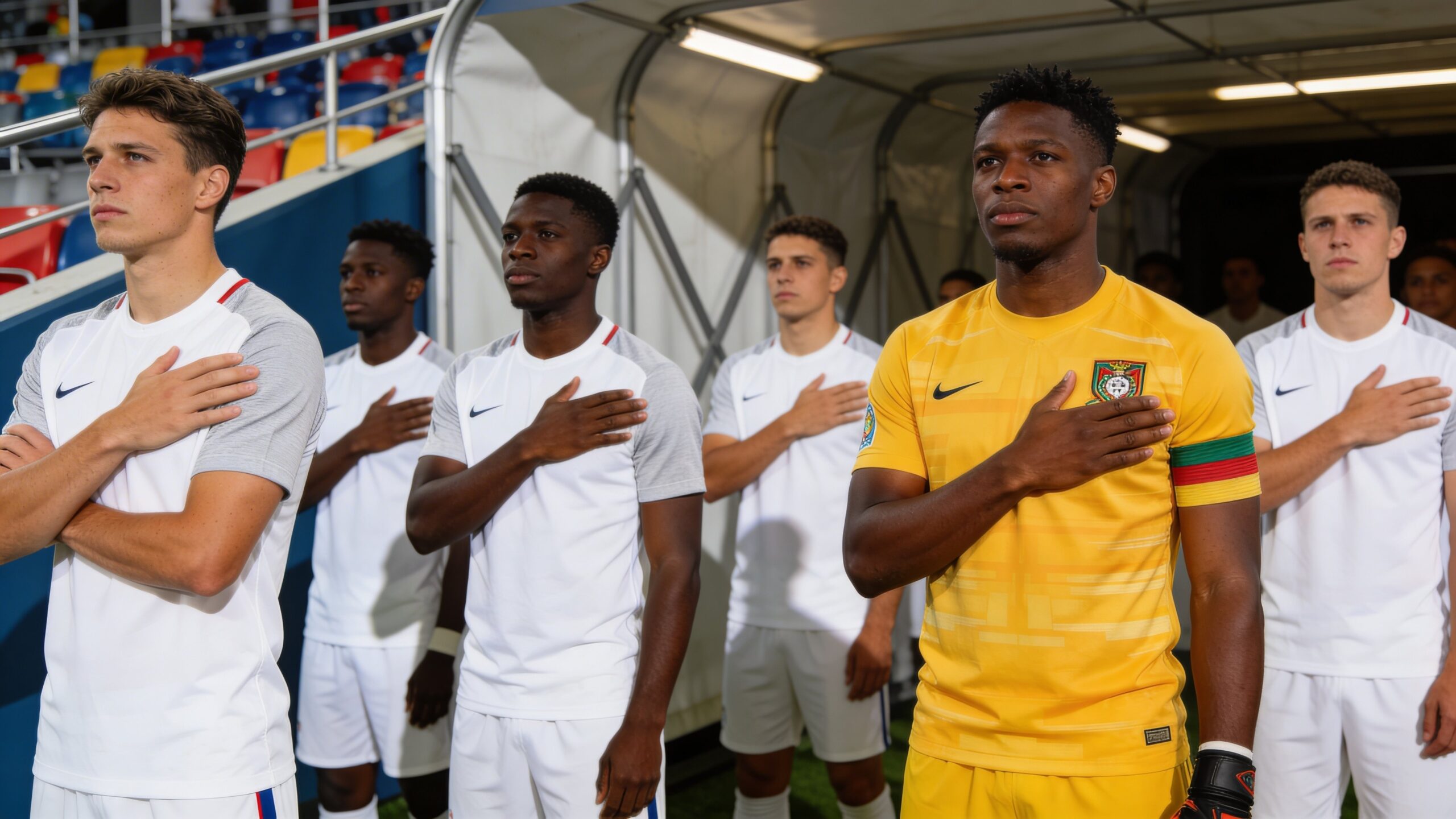
Sports are never just about the scoreboard. They are about identity, power, protest, pride, memory, and the stories communities tell about themselves. On Left Streets, “Sports, Activism & Culture” explores the moments when games become bigger than the field, court, ring, or track. It is where athletic competition meets civil rights, labor struggles, gender equality, media influence, nationalism, and cultural change. A jersey can become a symbol. A raised fist can become a global image. A stadium can become a stage for conflict, hope, resistance, and belonging. This section brings together articles that look beyond highlights and championships to ask deeper questions. How have athletes challenged injustice? Why do leagues respond differently to protest? How do race, class, gender, and politics shape who gets celebrated and who gets silenced? From iconic demonstrations to quiet acts of courage, from fan culture to public policy, these stories reveal how sports can reflect society and sometimes help change it. Whether you are interested in history, activism, or the cultural meaning behind the spectacle, this page opens the door to the larger conversation happening all around the game.
A: Because sports are tied to money, law, education, labor, media, and identity, all of which are political.
A: No. Athletes have spoken out for decades on civil rights, war, labor issues, gender equality, and more.
A: Because sports are emotionally charged public spaces where symbolism reaches people with very different beliefs.
A: Sports alone rarely solve systemic problems, but they can shift awareness, inspire action, and reshape public debate.
A: It includes fan traditions, media narratives, identity, symbolism, rituals, and the social meaning attached to sports.
A: They often balance public image, sponsor pressure, political risk, and internal power structures.
A: Yes. Fans can amplify causes, resist change, create pressure, and shape how teams and athletes are received.
A: Media can elevate, distort, simplify, or suppress the political meaning of sports moments.
A: Because symbols can communicate values instantly and stick in public memory far longer than speeches.
A: Pieces on protest, identity, race, labor, gender, nationalism, media narratives, public memory, and cultural transformation in sports.