
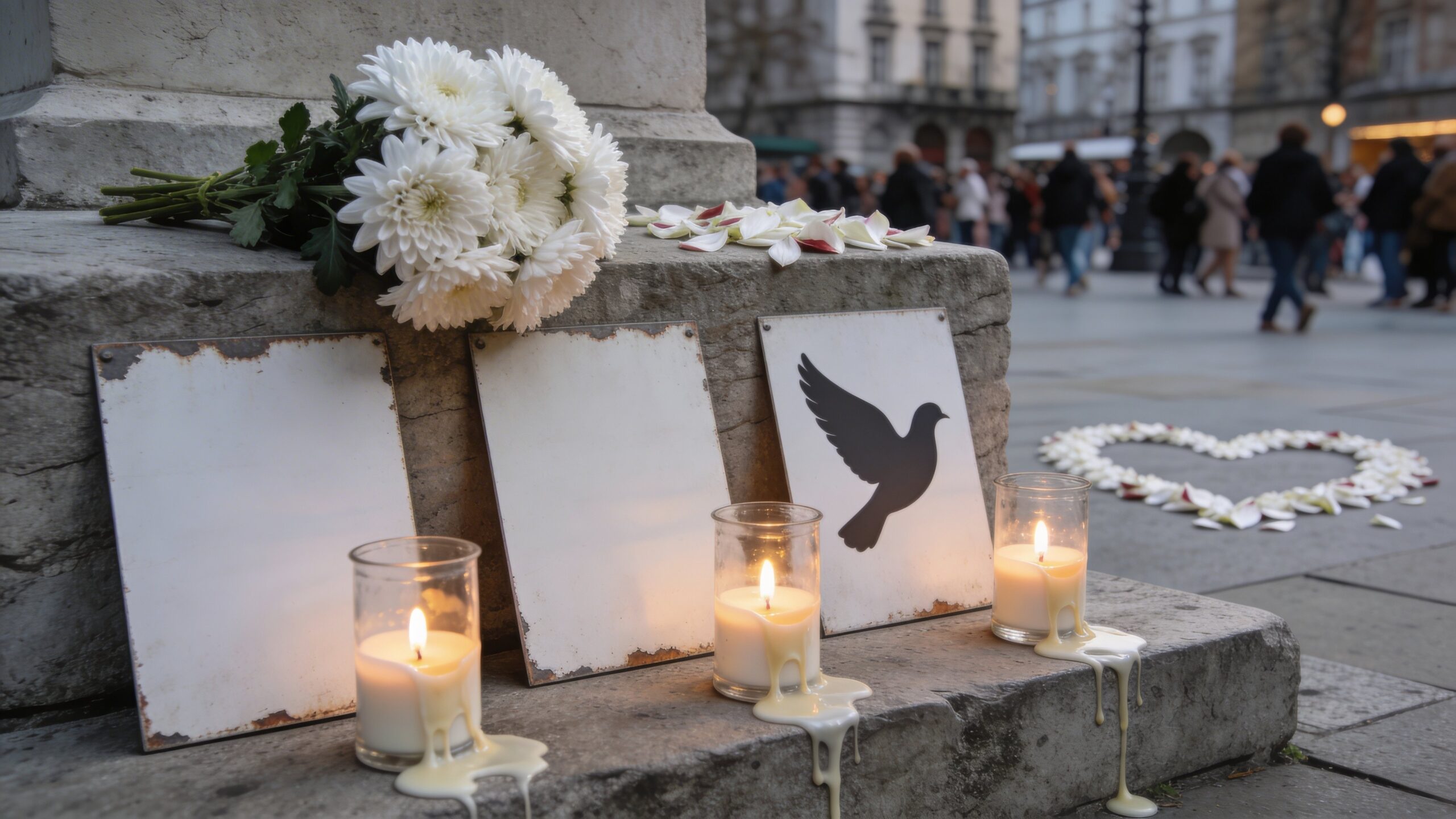
Anti-war movements have long stood at the crossroads of conscience, courage, and political change. Across generations and continents, ordinary citizens, students, veterans, artists, workers, and activists have challenged the logic of conflict and raised urgent questions about power, justice, and human cost. These movements are not only about opposing battles on distant maps. They are about defending lives, protecting civil liberties, exposing the hidden consequences of militarism, and imagining a world where diplomacy matters more than destruction. From mass marches and teach-ins to protest songs, posters, and acts of civil disobedience, anti-war movements have shaped public debate in ways that still echo today. On Left Streets, this section explores the ideas, energy, and historical force behind anti-war activism. Here, readers can dive into the beliefs that drive resistance to war, the social movements that turn outrage into action, and the lasting effects these campaigns leave on culture and policy. Anti-war history is filled with tension, sacrifice, and hope, making it one of the most powerful windows into how people push back against violence and demand a different future.
A: It is an organized effort to oppose war, militarism, or specific military actions through activism, education, and public pressure.
A: No, but many are linked to left politics because they often critique militarism, inequality, and imperial power.
A: Yes, they can shift public opinion, influence elections, challenge official narratives, and shape historical memory.
A: Common tactics include marches, vigils, petitions, strikes, teach-ins, boycotts, art, and civil disobedience.
A: Students often face draft pressures, care deeply about political futures, and have campuses that support organizing.
A: Veterans can provide firsthand testimony that challenges romantic or sanitized views of war.
A: No, many anti-war activists support active diplomacy, humanitarian aid, conflict prevention, and justice-based peacebuilding.
A: Symbols help communicate emotion, identity, and shared purpose quickly across large audiences.
A: No, many also organize during peacetime to challenge arms buildups, military budgets, and intervention policies.
A: It shows how ordinary people can confront violence, question power, and push for a more humane political future.