
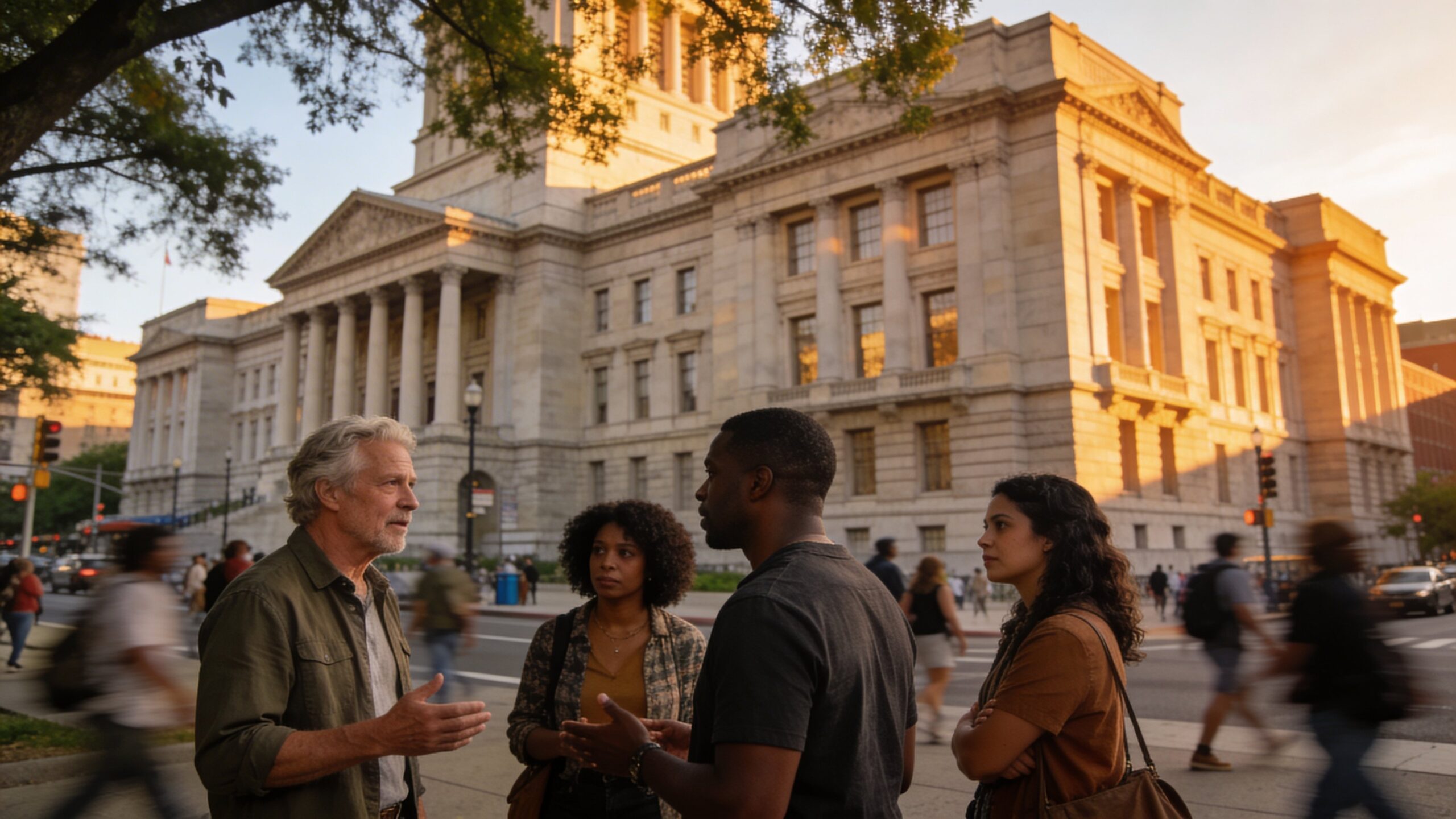
The North American Left is a dynamic and evolving political tradition that has shaped debates about democracy, economic fairness, labor rights, and social equality across the United States and Canada. From early labor movements and progressive reformers to modern campaigns focused on climate policy, healthcare access, and economic justice, the Left has consistently challenged existing systems while proposing new visions for how society can function. It is not a single ideology but a broad spectrum of ideas, movements, and voices that share a commitment to expanding opportunity and reducing inequality. Across North American history, left-leaning thinkers, activists, and policymakers have pushed for transformative change. Labor unions fought for the eight-hour workday and workplace protections. Civil rights leaders demanded equality before the law. Progressive reformers sought to regulate powerful industries and expand the social safety net. Today, debates about healthcare systems, education funding, workers’ rights, environmental protection, and economic inequality continue to reflect these long-standing traditions. This section of Left Streets explores the philosophies, movements, policies, and historical moments that define the North American Left—offering context, insight, and thoughtful exploration of ideas that continue to shape political conversations across the continent.
A: It generally refers to political ideas emphasizing equality, social welfare, and collective solutions to societal challenges.
A: Not exactly; while there are similarities, North American traditions evolved differently.
A: Labor unions have historically been key advocates for worker protections and wages.
A: No, they range from moderate reforms to more transformative economic proposals.
A: Access to healthcare is seen as a major social equity issue.
A: Yes, many policies emphasize climate change mitigation and sustainability.
A: No, it also addresses civil rights, social policy, and democratic participation.
A: Economic trends, social activism, and public policy debates.
A: Yes, including progressives, social democrats, and democratic socialists.
A: Understanding them helps explain modern policy debates and democratic systems.