
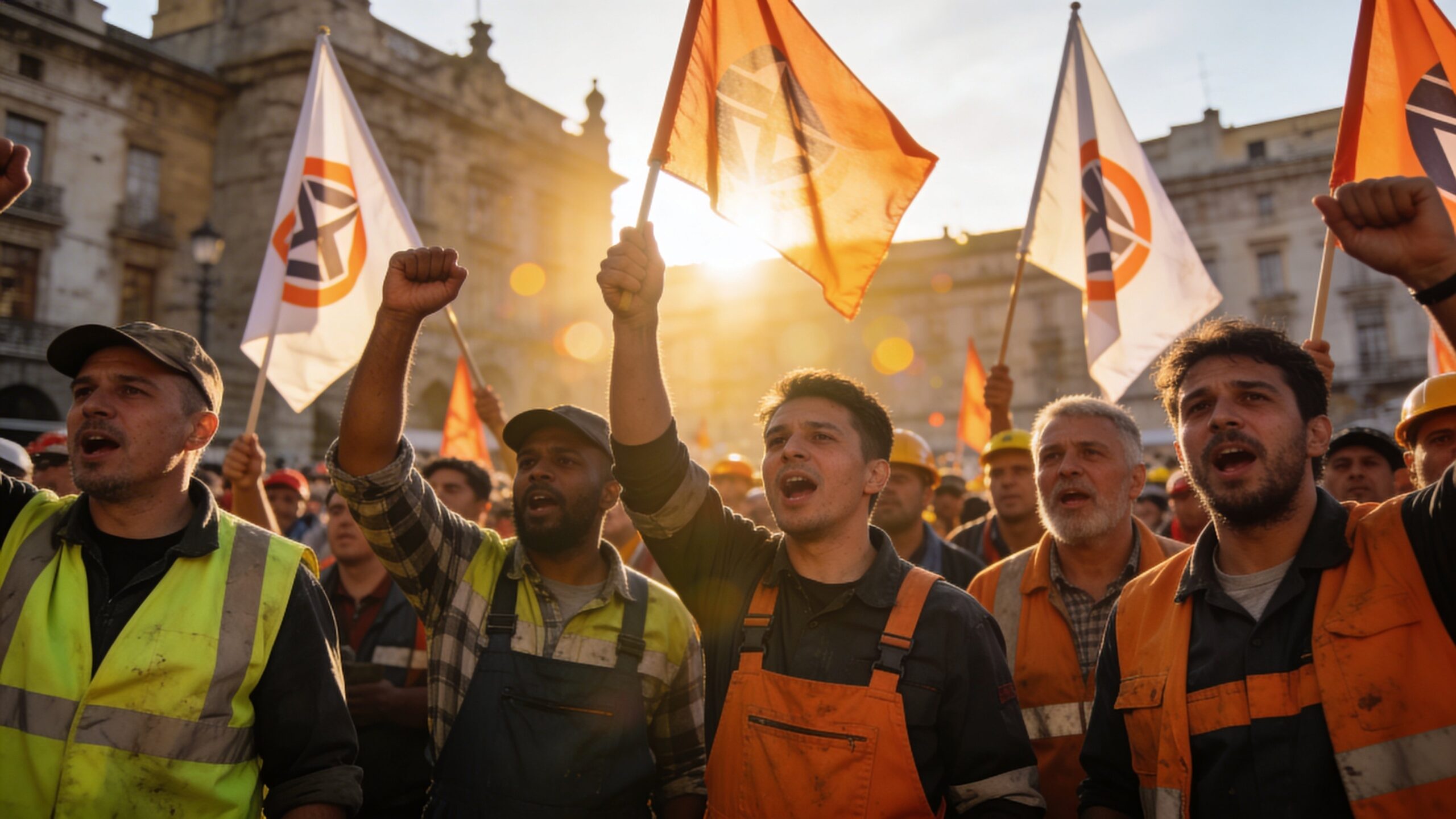
Across factories, farms, mines, offices, and digital platforms, workers have long organized to shape the conditions of their labor and the societies around them. Global labor movements tell the story of people who challenged inequality, demanded dignity at work, and fought to transform economic systems that often favored wealth and power over fairness. From the rise of early trade unions in the nineteenth century to massive strikes that reshaped national policies, labor movements have influenced wages, workplace safety, working hours, and social protections across the world. Yet labor movements are not only about strikes and protests. They are also about ideas, solidarity, and the belief that collective action can change the balance of power in society. Workers have formed alliances across borders, industries, and cultures to push for reforms such as minimum wage laws, child labor protections, and social welfare programs. On this page, explore the ideas, historical moments, symbols, and real-world impacts that define global labor movements. Each article uncovers how workers organized, resisted, negotiated, and reshaped the modern world—one movement, one strike, and one generation at a time.
A: A collective effort by workers to improve wages, conditions, and workplace rights.
A: They represent workers in negotiations with employers.
A: To address unsafe conditions, low wages, and long working hours.
A: Yes, especially in sectors like education, logistics, and technology.
A: A coordinated work stoppage used to pressure employers in negotiations.
A: Labor laws vary widely around the world.
A: Negotiation between workers and employers over conditions and pay.
A: Manufacturing, public sector jobs, transportation, and education.
A: They helped shape labor laws and social policies.
A: Automation, gig work, and globalized supply chains.