
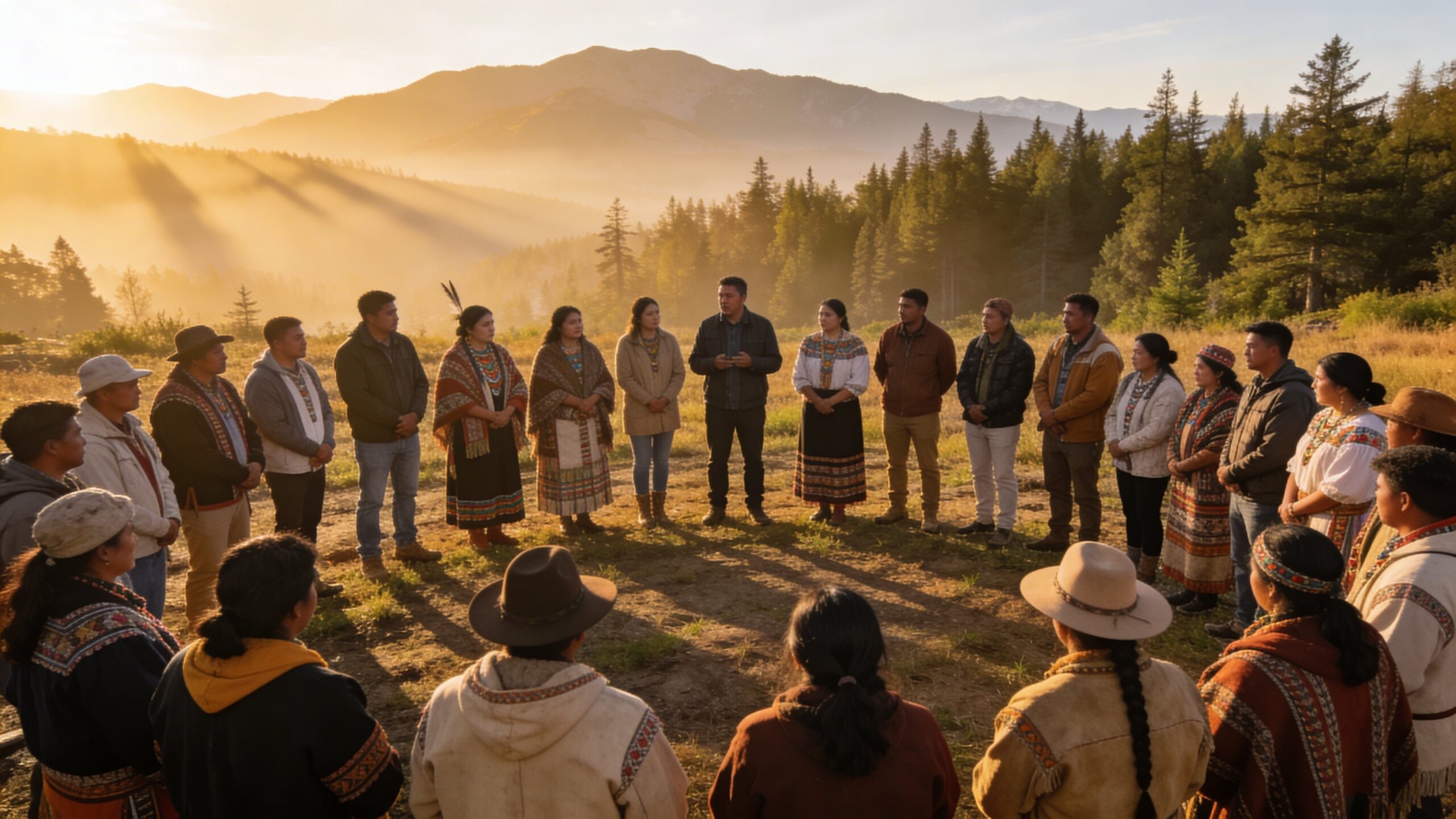
Across the world, political conversations are shifting as Indigenous communities, scholars, and activists reclaim voices that were historically silenced. Indigenous and decolonial politics examine how colonial systems shaped laws, economies, borders, and identities—and how those systems continue to influence power today. Rather than simply revisiting the past, this field explores new ways of thinking about governance, justice, and relationships with land, culture, and community. At its heart, Indigenous and decolonial politics asks important questions: Who has the right to govern land? How should societies address historical injustices? And what can modern political systems learn from Indigenous knowledge traditions that emphasize stewardship, collective responsibility, and long-term balance with nature? The articles in this section explore ideas ranging from sovereignty and treaty rights to cultural revival, environmental protection, and the politics of memory. You’ll encounter movements that challenge dominant narratives, highlight Indigenous leadership, and rethink political structures that many people take for granted. Indigenous and decolonial politics is not only about correcting history—it is about imagining fairer futures. By understanding these perspectives, readers gain insight into political debates that are shaping policy, identity, and global conversations about justice in the 21st century.
A: The right of Indigenous nations to govern themselves and their lands.
A: It refers to challenging and reshaping colonial systems of power.
A: Treaties define political agreements between Indigenous nations and governments.
A: A campaign advocating the return of traditional territories.
A: Yes, many Indigenous nations maintain governing institutions.
A: It critiques colonial structures and proposes alternative political frameworks.
A: Land connects culture, economy, governance, and identity.
A: Yes, Indigenous groups worldwide collaborate on political issues.
A: Cultural traditions often guide governance and law.
A: It offers alternative approaches to governance, sustainability, and justice.