
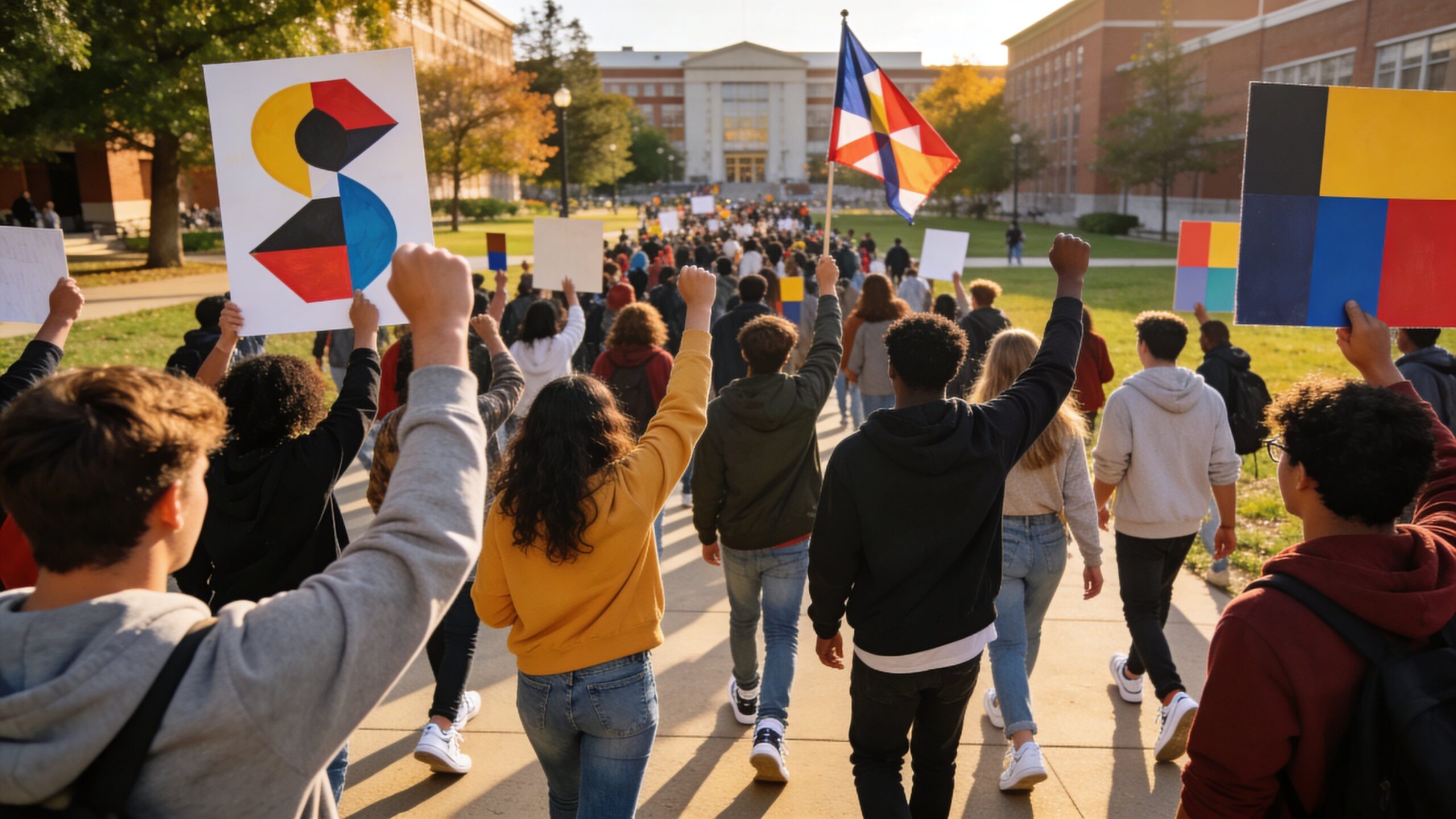
Student and youth movements have long been among the most energetic forces in public life, bringing fresh voices, bold ideas, and a powerful sense of urgency to debates about justice, education, equality, work, climate, war, democracy, and social change. Across generations, young people have stepped into the streets, onto campuses, and into community spaces to challenge systems they believe are unfair, outdated, or exclusionary. Their activism often reflects both idealism and lived reality, combining hope for a better future with frustration over the barriers they face in the present. On Left Streets, our Student & Youth Movements section explores how young organizers have shaped political culture, influenced reform, and redefined what participation can look like in modern society. From historic campus protests to digital-first organizing, from antiwar marches to climate strikes and demands for economic justice, these movements reveal how youth activism can shift conversations far beyond the classroom. This page gathers articles that examine the ideas, symbols, strategies, and turning points behind student-led action, offering readers a deeper look at how young people have helped drive some of the most important movements of the modern era.
A: Any organized effort by students or young people to demand social, political, educational, or economic change.
A: No, but many famous student movements have centered on progressive or left-leaning goals such as equality and antiwar activism.
A: Campuses bring together large groups of young people, ideas, institutions, and tensions in one visible place.
A: Often yes; they can shift public debate, influence policy, and reshape institutional priorities over time.
A: Education costs, democracy, war, climate, labor, racial justice, gender equality, and freedom of expression.
A: It can raise awareness quickly, but lasting movements usually need offline relationships and organizing structures.
A: They create shared identity, emotional connection, and memorable public images.
A: It is a participatory educational event where activists and communities discuss issues in depth outside traditional classroom formats.
A: They often challenge established authority, public comfort, or economic interests.
A: Clear goals, committed organizers, strong networks, political education, and the ability to adapt over time.