
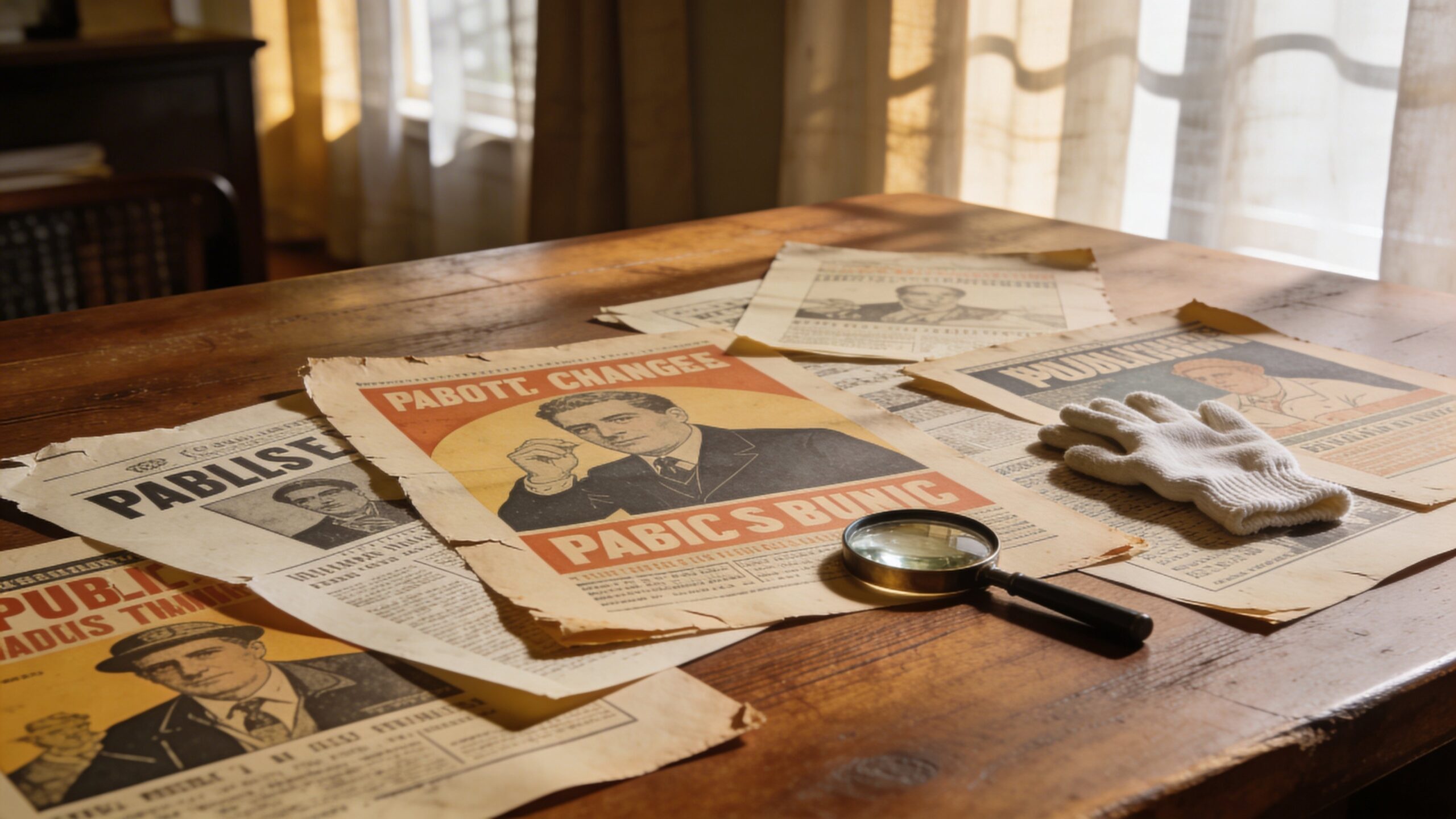
Historical posters do more than decorate walls or fill archives. They capture the visual pulse of an era, turning politics, protest, labor, culture, war, reform, and everyday public life into bold, immediate messages. A single poster can reveal what a society feared, celebrated, demanded, or tried to control, all through color, symbolism, typography, and striking design choices that were meant to move people in the moment. This Historical Posters page explores that powerful intersection of art, persuasion, and public memory. Across the articles in this section, readers can discover how posters shaped movements, influenced opinion, and reflected the values and tensions of their time. From revolutionary imagery and workers’ campaigns to election graphics, propaganda, and cultural calls to action, these pieces open a window into history as it was seen on the street, in the workplace, and across entire nations. The result is a richer way to understand the past: not as distant text in a book, but as vivid visual storytelling designed to be noticed, remembered, and acted upon.
A: They show how people, parties, and movements communicated ideas visually to the public.
A: Yes, but they reflect goals and bias, so they should be read alongside broader historical evidence.
A: Themes of labor, equality, solidarity, anti-fascism, reform, and collective struggle often define that context.
A: Not all, but many were persuasive tools designed to inform, mobilize, or influence opinion.
A: Focus on symbols, figures, color, audience, and the action the poster seems to demand.
A: Posters had to grab attention fast in crowded public environments.
A: Absolutely; they shape modern visual culture and help explain how political messaging evolved.
A: Yes, many of the strongest examples combine powerful design with direct social purpose.
A: Symbolism makes messages easier to remember and allows complex ideas to be understood quickly.
A: It helps readers explore how historical posters reflected conflict, hope, identity, persuasion, and change.