
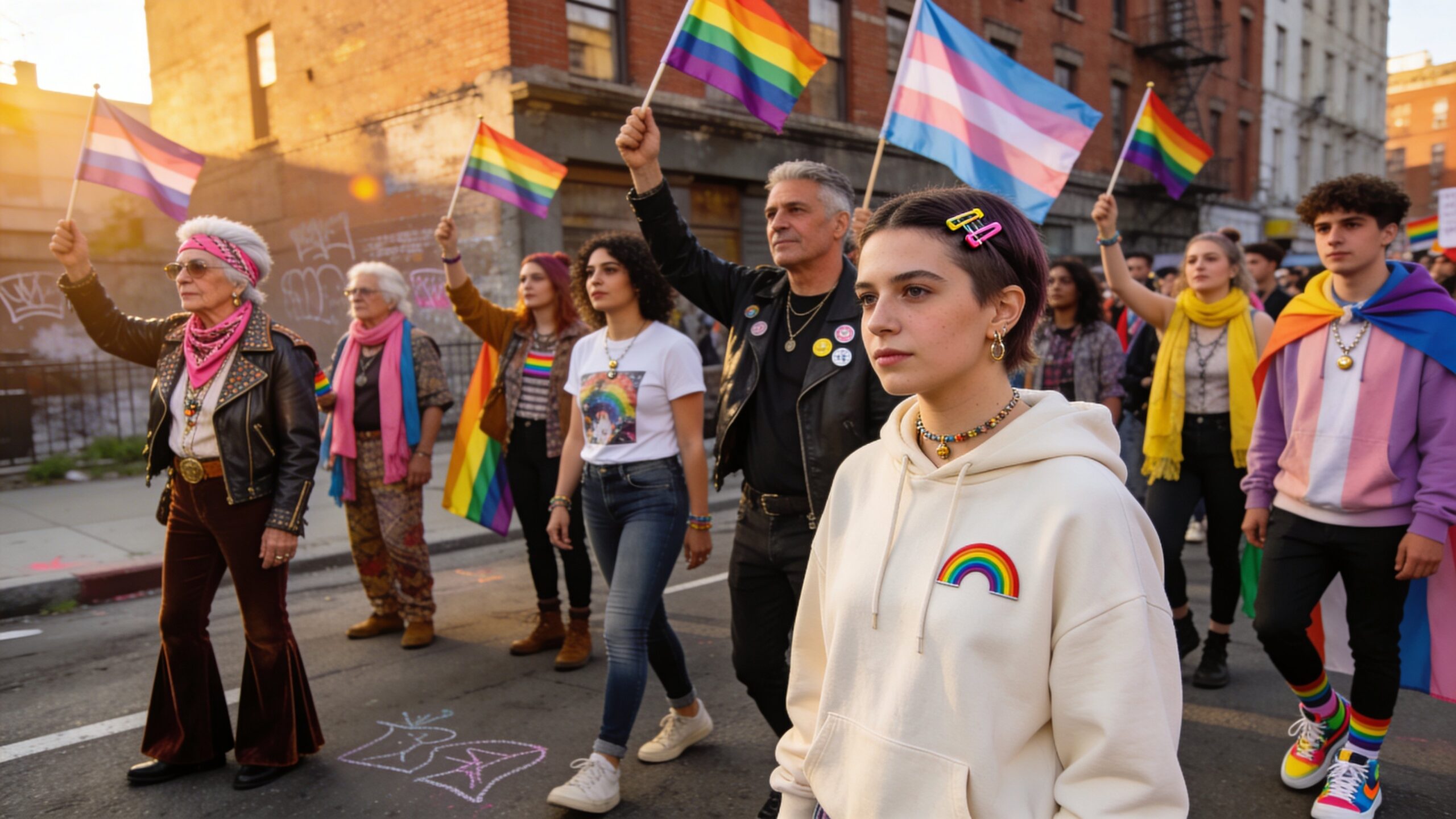
LGBTQ+ rights history is a story of courage, resistance, identity, and change. Across decades and generations, people have challenged laws, customs, and institutions that denied them safety, dignity, and equality. What began in many places as quiet acts of survival grew into bold public movements demanding recognition, protection, and freedom. From underground communities and early organizing efforts to landmark protests, court victories, and cultural breakthroughs, this history reveals how progress is often hard-won and never accidental. On Left Streets, this LGBTQ+ Rights History page explores the people, ideas, events, and turning points that shaped the fight for justice. It looks at the struggles behind legal reform, the communities that built solidarity in hostile times, and the lasting impact of visibility, activism, and political pressure. It also shows that this history is not only about rights on paper, but about everyday life, belonging, and human dignity. These articles invite readers to understand where the movement has been, how it changed society, and why its history still matters so deeply today.
A: It examines how LGBTQ+ people fought for safety, visibility, equality, and legal recognition over time.
A: No. It includes earlier social norms, legal systems, hidden communities, and long-term cultural change.
A: It became a major symbol of resistance, though it was part of a broader movement rather than a lone beginning.
A: No. It also covers family life, health, culture, media, community spaces, and everyday survival.
A: Trans people played vital roles in activism and faced distinct forms of exclusion and legal struggle.
A: It exposed neglect and prejudice while also building powerful networks of activism, care, and political pressure.
A: No. LGBTQ+ rights histories differ widely across countries, regions, and communities.
A: Because seeing real LGBTQ+ lives in public culture can reduce stigma and reshape public understanding.
A: It refers to supportive personal networks built outside traditional family structures, often crucial in queer history.
A: It explains current debates, protects memory, and shows how rights can be expanded, defended, or reversed.