

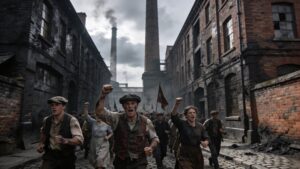
Early Labor Movements
Early labor movements were born in noisy factories, dangerous mines, crowded mills, and fast-growing cities where ordinary workers began asking extraordinary questions. Why were the hours so long, the wages so low, and the risks so high? Across the nineteenth and early twentieth centuries, laborers organized to demand something radically simple: dignity on the job and a fairer share of the wealth they helped create. What began as scattered protests,
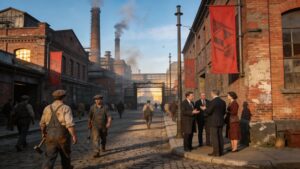
20th-Century Socialism
The 20th century was one of the most dramatic political eras in modern history, and socialism stood at the center of many of its biggest debates, revolutions, reforms, and global power struggles. Across Europe, Asia, Latin America, and beyond, socialist ideas inspired workers, intellectuals, organizers, and governments to imagine societies built around economic equality, public ownership, labor rights, and a stronger role for the state in shaping daily life. At
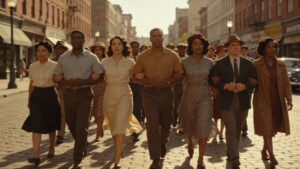
Civil Rights Era
The Civil Rights Era stands as one of the most powerful and transformative chapters in American history. It was a time of courage, conflict, sacrifice, and determination, when ordinary people challenged deeply rooted injustice and demanded that the nation live up to its highest ideals of equality and freedom. From courtroom battles and peaceful marches to student sit-ins and landmark speeches, the era reshaped the political, social, and moral landscape
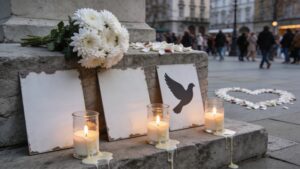
Anti-War Movements
Anti-war movements have long stood at the crossroads of conscience, courage, and political change. Across generations and continents, ordinary citizens, students, veterans, artists, workers, and activists have challenged the logic of conflict and raised urgent questions about power, justice, and human cost. These movements are not only about opposing battles on distant maps. They are about defending lives, protecting civil liberties, exposing the hidden consequences of militarism, and imagining a
Feminist Waves
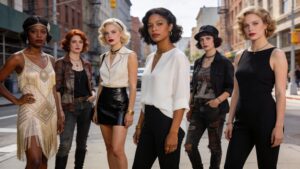
Feminist waves tell the story of how ideas about equality, rights, power, work, identity, and freedom have changed across generations. Rather than being a single movement with one voice, feminism has moved through different eras, each shaped by its own struggles, victories, debates, and cultural shifts. From the fight for voting rights and legal recognition to later conversations about workplace fairness, reproductive freedom, representation, and intersectionality, each wave reveals how
LGBTQ+ Rights History
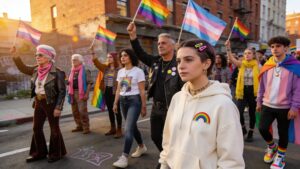
LGBTQ+ rights history is a story of courage, resistance, identity, and change. Across decades and generations, people have challenged laws, customs, and institutions that denied them safety, dignity, and equality. What began in many places as quiet acts of survival grew into bold public movements demanding recognition, protection, and freedom. From underground communities and early organizing efforts to landmark protests, court victories, and cultural breakthroughs, this history reveals how progress
Post-Cold War Left
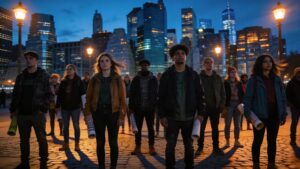
The story of the Post-Cold War Left is a story of reinvention. When the Cold War ended, old political maps no longer explained a rapidly changing world. Globalization accelerated, markets expanded, old party loyalties weakened, and new debates emerged around inequality, identity, democracy, labor, climate, culture, and the power of global institutions. Across Europe, the Americas, and beyond, left-leaning movements were forced to rethink what solidarity, justice, and reform meant
Indigenous Resistance Movements
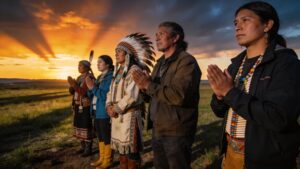
Indigenous resistance movements are among the most powerful, enduring, and often overlooked forces in history. Across continents and generations, Indigenous communities have defended their land, cultures, languages, governance systems, and ways of life against colonization, displacement, extraction, and erasure. Their resistance has never been limited to one form. It has appeared in armed defense, treaty negotiations, spiritual protection, legal challenges, cultural revival, environmental action, education, storytelling, and the everyday refusal
Student & Youth Movements
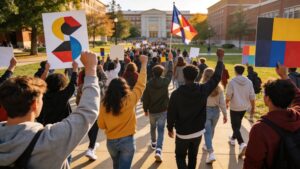
Student and youth movements have long been among the most energetic forces in public life, bringing fresh voices, bold ideas, and a powerful sense of urgency to debates about justice, education, equality, work, climate, war, democracy, and social change. Across generations, young people have stepped into the streets, onto campuses, and into community spaces to challenge systems they believe are unfair, outdated, or exclusionary. Their activism often reflects both idealism
Global Protest Movements
The 20th century was one of the most dramatic political eras in modern history, and socialism stood at the center of many of its biggest debates, revolutions, reforms, and global power struggles. Across Europe, Asia, Latin America, and beyond, socialist ideas inspired workers, intellectuals, organizers, and governments to imagine societies built around economic equality, public ownership, labor rights, and a stronger role for the state in shaping daily life. At