
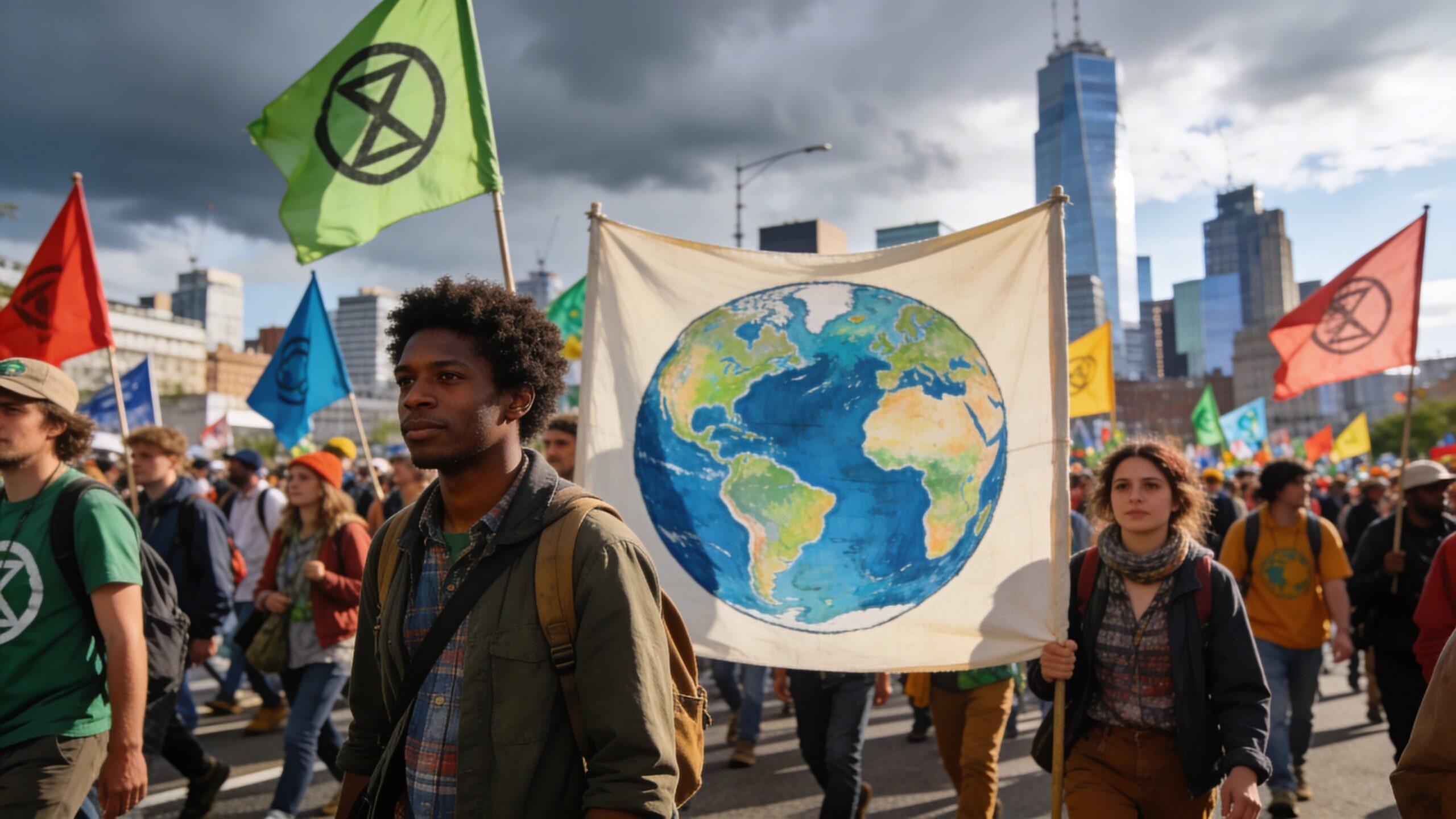
Across continents, languages, and political systems, a new form of environmental advocacy has taken shape—transnational climate activism. This movement connects people, organizations, and communities across borders to address a problem that knows none: climate change. From global youth demonstrations and cross-border policy campaigns to indigenous alliances protecting forests and oceans, activists increasingly recognize that meaningful climate solutions require international cooperation. Transnational climate activism operates at the intersection of science, politics, and grassroots organizing. Networks of advocates coordinate strategies, share research, and mobilize public pressure on governments, corporations, and global institutions. Digital communication allows campaigns to spread rapidly, while international gatherings—from climate summits to global strikes—help shape shared goals and collective action. On this page, you’ll explore the ideas, events, and strategies that define modern climate activism across borders. Articles examine how movements form, how policies travel between countries, and how activists transform local struggles into global conversations. From historic moments in environmental advocacy to the emerging voices shaping climate politics today, transnational activism reveals how interconnected the world’s environmental future has become.
A: Activism that connects environmental movements across countries to address climate change collectively.
A: Climate change affects the entire planet and requires coordinated global responses.
A: Youth groups, NGOs, scientists, indigenous leaders, and grassroots organizers.
A: Through digital communication, global organizations, and international summits.
A: They raise awareness and pressure governments and corporations to act.
A: The idea that climate change disproportionately affects vulnerable populations.
A: Yes, many environmental policies emerge after sustained public pressure.
A: Many campaigns focus on fossil fuel companies and high-emission industries.
A: It enables rapid global coordination and widespread public engagement.
A: Yes, global environmental cooperation is expanding as climate risks intensify.