Why Labor Unions Still Matter in the Modern Workplace
Few institutions have shaped the modern workplace as profoundly as labor unions. From the establishment of the eight-hour workday to workplace safety standards, overtime protections, employer-sponsored benefits, and anti-discrimination measures, unions have played a significant role in defining the rights and expectations that many workers now take for granted. While labor unions are often associated with factory workers and the industrial era, they remain influential in a wide variety of industries, including education, healthcare, transportation, public services, construction, entertainment, and technology.
Despite their long history, labor unions are frequently misunderstood. Some people view them as essential defenders of workers’ rights, while others see them as outdated organizations that interfere with business efficiency and labor market flexibility. Political debates often portray unions in highly polarized ways, making it difficult for workers and the general public to understand how unions actually function. Questions about membership, dues, collective bargaining, strikes, and employee rights can seem complicated, particularly for individuals who have never worked in a unionized environment.
At their core, labor unions are organizations formed by workers to collectively advocate for their interests. Rather than negotiating individually with employers, union members act together to seek improvements in wages, benefits, workplace conditions, scheduling practices, job security, and other employment-related issues. This collective approach is based on the belief that workers possess greater bargaining power when they negotiate as a group rather than as isolated individuals.
Understanding how labor unions work is important not only for union members but for anyone interested in employment rights, workplace dynamics, economic policy, and labor relations. Whether one supports unions enthusiastically or remains skeptical of their role, labor organizations continue to influence millions of workers and shape important aspects of modern economic life. Exploring how unions operate, how dues function, what collective bargaining involves, and what rights workers possess provides valuable insight into one of the most enduring institutions in the labor market.
A: A union represents workers so they can negotiate together over pay, benefits, safety, schedules, and workplace rules.
A: Dues are regular payments that fund union operations, bargaining, contract enforcement, legal support, organizing, and member services.
A: Collective bargaining is the negotiation process between a union and an employer to create or update a workplace contract.
A: Often yes. Many unions require members to vote before a proposed contract is accepted.
A: A grievance is a formal complaint that the employer violated the union contract or workplace rules.
A: A union may challenge unfair discipline or firing if the contract gives workers just-cause or due-process protections.
A: No. Strikes are one tool, but many union negotiations are resolved through bargaining, mediation, or settlement.
A: A steward is a trained union member who helps coworkers understand their rights and handle workplace issues.
A: Many workers can organize, but rules vary by job type, industry, state, and whether the workplace is public or private.
A: A union is workers joining together so workplace decisions are negotiated, not simply handed down.
The Origins and Purpose of Labor Unions
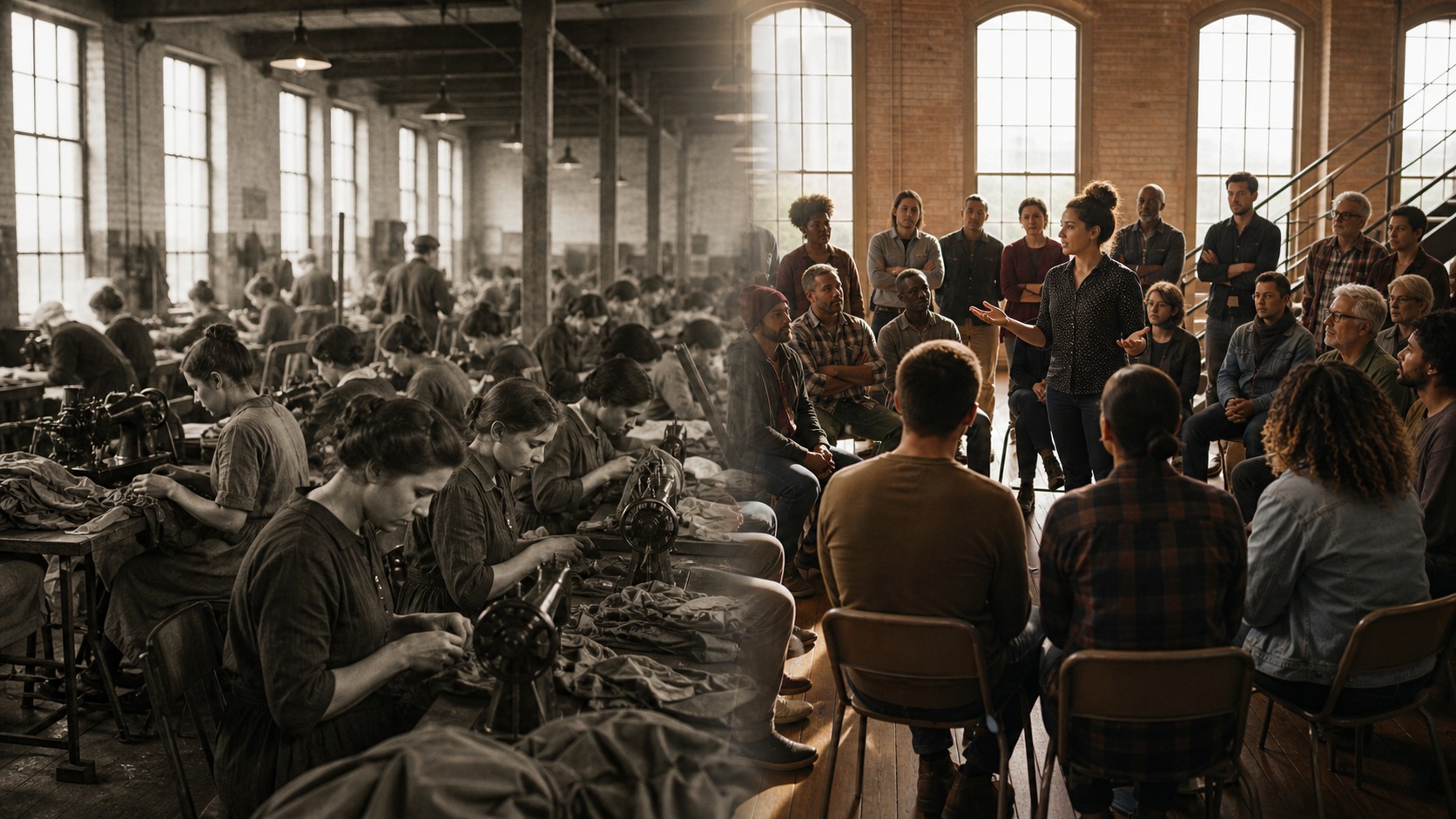
The history of labor unions is closely connected to the rise of industrialization. During the eighteenth and nineteenth centuries, factories transformed production and created new economic opportunities. However, industrial workplaces often subjected workers to long hours, dangerous conditions, child labor, low wages, and minimal legal protections. Employers typically held overwhelming power in employment relationships, leaving individual workers with limited ability to negotiate better conditions.
In response, workers began organizing collectively. Early labor movements sought basic improvements that many people now consider standard workplace expectations. Campaigns for shorter workdays, safer working environments, fair compensation, and legal recognition of worker organizations became central goals. These efforts often faced strong opposition from employers, governments, and legal systems that viewed organized labor as a threat to economic stability or business interests.
Over time, unions achieved significant successes. Labor advocacy contributed to reforms involving workplace safety regulations, minimum wage laws, overtime protections, child labor restrictions, and social insurance programs. While not all improvements resulted solely from union activity, labor organizations played an important role in bringing attention to workplace issues and advocating for legislative change.
The fundamental purpose of unions remains largely unchanged today. They exist to give workers a collective voice in decisions that affect their employment. While economic conditions have evolved dramatically since the Industrial Revolution, many workers continue to view collective representation as a valuable tool for addressing workplace concerns and balancing power within employer-employee relationships.
What Exactly Is a Labor Union?
A labor union is an organization composed of employees who join together to represent their shared interests in dealings with employers. The union serves as a collective representative for workers when negotiating employment conditions and addressing workplace disputes. Rather than each employee negotiating individually, the union acts on behalf of the entire bargaining unit.
Unions can exist at multiple levels. Some represent employees within a single company or workplace, while others operate across entire industries or professions. Teachers, nurses, construction workers, airline employees, government workers, actors, and manufacturing employees may all belong to different unions tailored to their specific occupations and needs.
Most unions are democratic organizations. Members typically vote on leadership positions, contract proposals, strike authorizations, and other major decisions. Local union chapters often work alongside larger regional or national organizations that provide legal support, training, research, and resources. This structure allows unions to address both workplace-specific issues and broader labor concerns.
Importantly, unions do not directly manage businesses or control company operations. Instead, they function as representatives for employees within a framework of labor laws and negotiated agreements. Their primary objective is to advocate for members’ interests while maintaining an ongoing relationship with employers through established bargaining processes.
Understanding Workers’ Rights in Unionized Workplaces
One of the most important aspects of labor unions involves protecting and expanding workers’ rights. In many countries, labor laws recognize employees’ right to organize, join unions, and engage in collective bargaining. These protections are designed to ensure that workers can pursue collective representation without fear of retaliation or discrimination.
Unionized workers often gain additional rights through negotiated contracts. These agreements may establish clear procedures for discipline, promotions, layoffs, scheduling, grievance resolution, and workplace safety. Unlike many non-union environments where management possesses broad discretion, union contracts frequently define rules that employers must follow when making employment decisions.
A key concept within unionized workplaces is due process. Employees may have the right to challenge disciplinary actions through formal grievance procedures. Union representatives can assist workers during investigations, disciplinary meetings, and disputes with management. This support helps ensure that workplace policies are applied consistently and fairly.
Workers also gain representation in negotiations regarding major workplace changes. Whether discussing compensation, benefits, scheduling policies, or safety concerns, employees have a structured mechanism for expressing their views and influencing outcomes. This collective voice is one of the primary reasons many workers choose union representation.
How Employees Form a Union
The process of forming a union typically begins when employees decide they want collective representation. Workers may become interested in unionization for various reasons, including concerns about wages, benefits, workload expectations, workplace safety, scheduling practices, or communication with management.
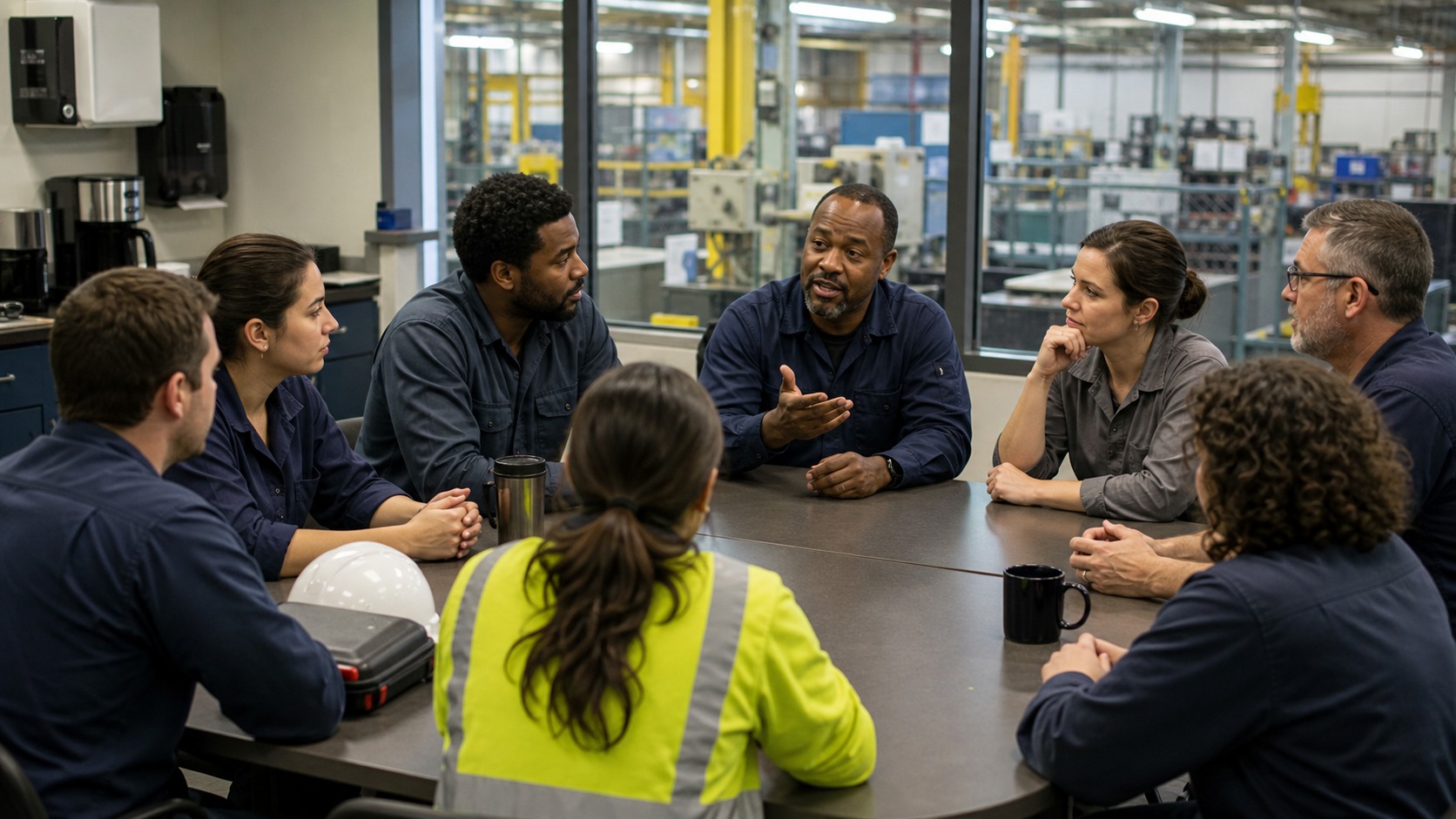
Organizing efforts usually involve conversations among employees about shared workplace concerns. Workers may seek assistance from an existing union that provides guidance regarding labor laws, organizing strategies, and election procedures. Organizers often gather support from colleagues and educate employees about the potential advantages and challenges associated with union representation.
In many jurisdictions, workers must demonstrate sufficient interest before a formal union election can occur. If enough employees support unionization, a vote may be held to determine whether the workforce wishes to be represented by a union. Elections are generally supervised by government agencies responsible for enforcing labor laws and ensuring fair procedures.
If the union wins the election, the employer is typically required to recognize the union as the official bargaining representative for the designated group of employees. From that point forward, the union and employer begin the process of negotiating a collective bargaining agreement that establishes workplace rules and employment conditions.
What Is Collective Bargaining?
Collective bargaining is the process through which unions and employers negotiate employment terms on behalf of workers. It is often considered the core function of labor unions because it transforms worker concerns into formal agreements that govern workplace relationships.
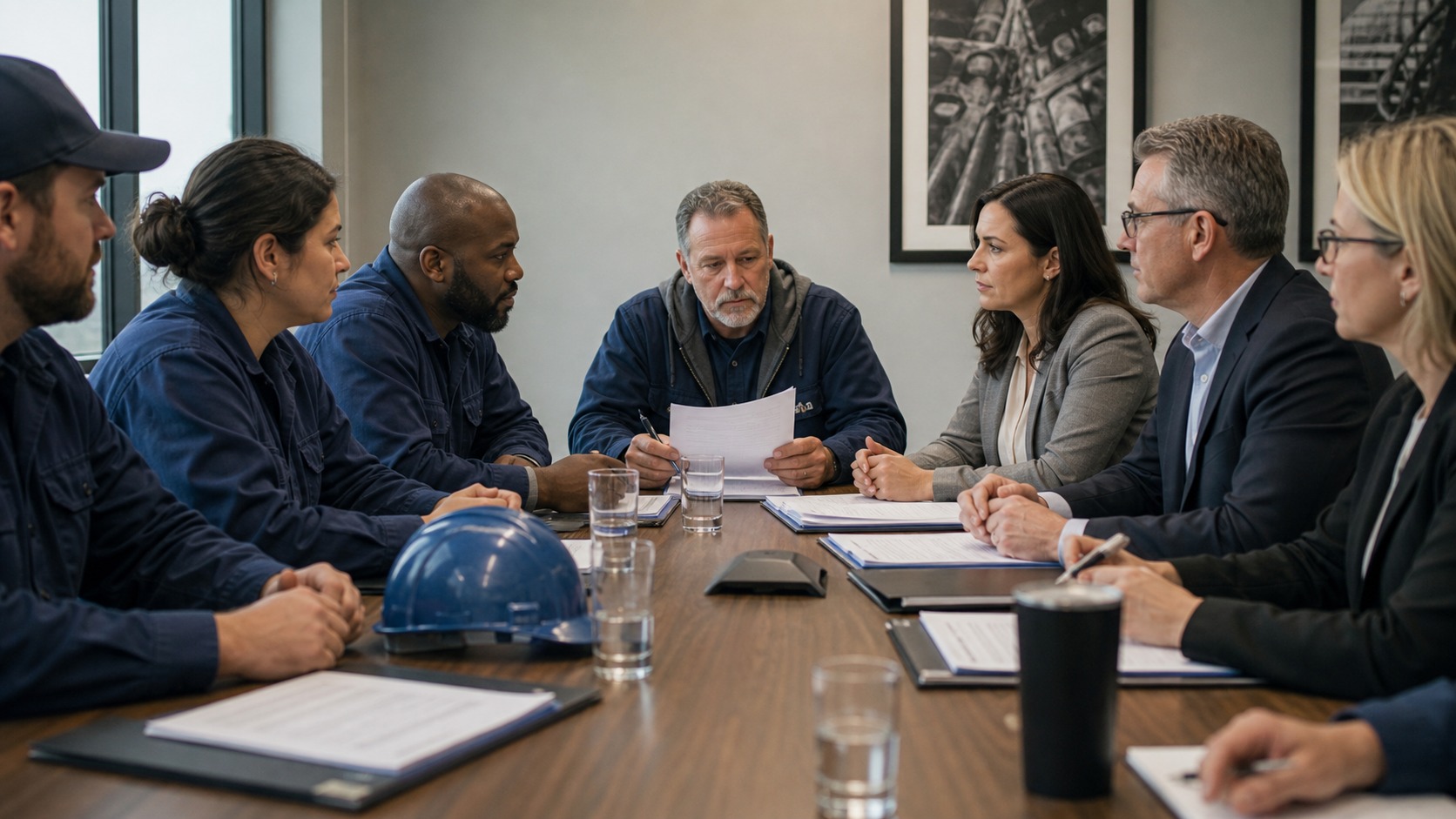
During collective bargaining, representatives from both sides meet to discuss issues such as wages, healthcare benefits, retirement plans, vacation policies, scheduling practices, workplace safety measures, job classifications, and grievance procedures. Negotiations can be lengthy and complex, particularly in large organizations with diverse workforces and competing priorities.
The bargaining process involves proposals, counterproposals, research, financial analysis, and strategic negotiation. Union representatives seek improvements for employees, while employers consider operational needs, financial constraints, and business objectives. Successful negotiations often require compromise, creative problem-solving, and a willingness to find mutually acceptable solutions.
Once negotiators reach a tentative agreement, union members typically vote on whether to approve the contract. If ratified, the agreement becomes legally binding and establishes the terms and conditions governing employment for a specified period. This contract provides a framework for workplace relations until the next round of bargaining begins.
How Union Contracts Shape the Workplace
Union contracts, often called collective bargaining agreements, serve as detailed roadmaps for employment relationships. These documents define many aspects of workplace life and establish expectations for both employees and employers. Because contracts are negotiated collectively, they provide consistency and predictability that many workers find valuable.
Compensation is frequently one of the most visible components of union contracts. Agreements may specify wage scales, annual increases, overtime rates, shift differentials, and bonus structures. By negotiating collectively, workers often seek compensation packages that reflect their skills, experience, and contributions to the organization.
Benefits also play a significant role. Health insurance, retirement plans, paid leave, educational assistance, and wellness programs may all be addressed within collective bargaining agreements. Union negotiations often focus not only on immediate wages but also on long-term financial security and quality-of-life considerations.
Beyond pay and benefits, contracts frequently establish procedures for promotions, transfers, layoffs, workplace safety, performance evaluations, and dispute resolution. These provisions help create transparency and reduce uncertainty by clearly outlining rights, responsibilities, and expectations for all parties involved.
Understanding Union Dues
Union dues are among the most commonly discussed aspects of labor organizations. Dues are regular payments made by union members to support the operations and activities of the union. These funds help finance collective bargaining efforts, legal representation, administrative functions, educational programs, organizing campaigns, and member services.
The amount of union dues varies significantly depending on the organization, industry, and local circumstances. Some unions calculate dues as a percentage of earnings, while others use fixed monthly amounts. The specific structure is generally determined through union governance processes and approved by members.
Critics sometimes argue that dues represent an unnecessary expense for workers. Supporters respond that dues fund services and representation that can result in improved compensation, stronger workplace protections, and access to professional resources. Whether dues provide sufficient value is often a subject of debate among workers, employers, policymakers, and labor advocates.
Transparency regarding dues expenditures is typically an important aspect of union governance. Many unions provide financial reports and allow members to participate in decisions regarding budgets, priorities, and organizational spending. Because unions operate as membership organizations, accountability to members remains a central principle.
Strikes and Other Collective Actions
One of the most visible tools available to unions is the strike. A strike occurs when workers collectively stop working to pressure employers during labor disputes or contract negotiations. Although strikes often receive significant media attention, they are generally considered a last resort rather than a routine feature of union activity.
Before a strike occurs, unions and employers typically engage in extensive negotiations. Mediation, fact-finding, and other dispute-resolution mechanisms may be used to help resolve disagreements. In many cases, contracts are successfully negotiated without work stoppages.
When strikes do occur, they can have substantial economic and social consequences. Workers may lose income during the strike period, while employers may experience operational disruptions and financial losses. Because of these costs, both sides often have incentives to reach agreements before disputes escalate.
Unions may also engage in other forms of collective action, including informational campaigns, public demonstrations, petitions, and coordinated advocacy efforts. These activities aim to influence negotiations and raise awareness without necessarily interrupting workplace operations.
The Advantages and Criticisms of Labor Unions
Labor unions generate passionate opinions from both supporters and critics. Advocates argue that unions help workers secure higher wages, better benefits, stronger safety protections, and greater job security. They believe collective bargaining provides employees with a meaningful voice in workplace decisions and helps balance power between workers and employers.
Supporters also emphasize unions’ historical role in advancing labor rights and improving employment standards across entire industries. Even workers who are not union members may benefit indirectly from standards established through union negotiations and labor advocacy efforts.
Critics, however, raise concerns about flexibility, efficiency, and costs. Some argue that union contracts can make it more difficult for employers to adapt to changing market conditions or reward exceptional performance. Others question whether union leadership always reflects the preferences of individual members.
These debates continue to shape public discussions about labor policy and workplace governance. The reality is often more nuanced than either side suggests. Union effectiveness varies depending on industry conditions, leadership quality, membership engagement, employer relationships, and broader economic factors.
The Future of Labor Unions in the Twenty-First Century
The labor movement faces significant challenges and opportunities in the modern economy. Technological change, globalization, remote work, automation, and evolving employment arrangements have transformed traditional workplace structures. Gig economy platforms, freelance work, and nontraditional employment relationships raise new questions about worker representation and labor rights.
At the same time, interest in unionization has grown in some sectors. Workers in industries that historically lacked strong union representation, including technology, digital media, and certain service industries, have increasingly explored collective organizing efforts. Concerns about job security, workplace culture, compensation, and employee voice continue to motivate workers to consider union representation.
Labor unions are also adapting their strategies to address emerging issues such as artificial intelligence, workplace surveillance, data privacy, and changing employment models. As work evolves, unions face the challenge of remaining relevant while addressing concerns that differ from those of earlier generations.
Whether union membership expands or contracts in coming decades, labor organizations will likely continue influencing discussions about employment rights, workplace fairness, and economic policy. Their ability to adapt to changing conditions may determine their future role in shaping labor relations.
Conclusion: Why Understanding Labor Unions Matters
Labor unions remain one of the most significant institutions in modern employment relations. They provide workers with a collective voice, negotiate workplace conditions through collective bargaining, advocate for employee rights, and influence broader debates about labor standards and economic policy. Through union contracts, workers often gain access to negotiated wages, benefits, grievance procedures, and workplace protections that might be difficult to secure individually.
Understanding unions requires looking beyond stereotypes and political slogans. Unions are neither universally beneficial nor inherently harmful. Rather, they are complex organizations that operate within legal, economic, and social systems shaped by competing interests and evolving workplace realities. Their effectiveness depends on leadership, member participation, employer relationships, and broader economic conditions.
For workers, employers, policymakers, and citizens alike, understanding how labor unions work provides valuable insight into the dynamics of power, negotiation, and representation in the workplace. Whether one views unions as essential defenders of worker rights or as institutions in need of reform, their impact on modern employment remains substantial. As the nature of work continues to evolve, labor unions will likely remain central participants in ongoing conversations about fairness, opportunity, and the future of work itself.