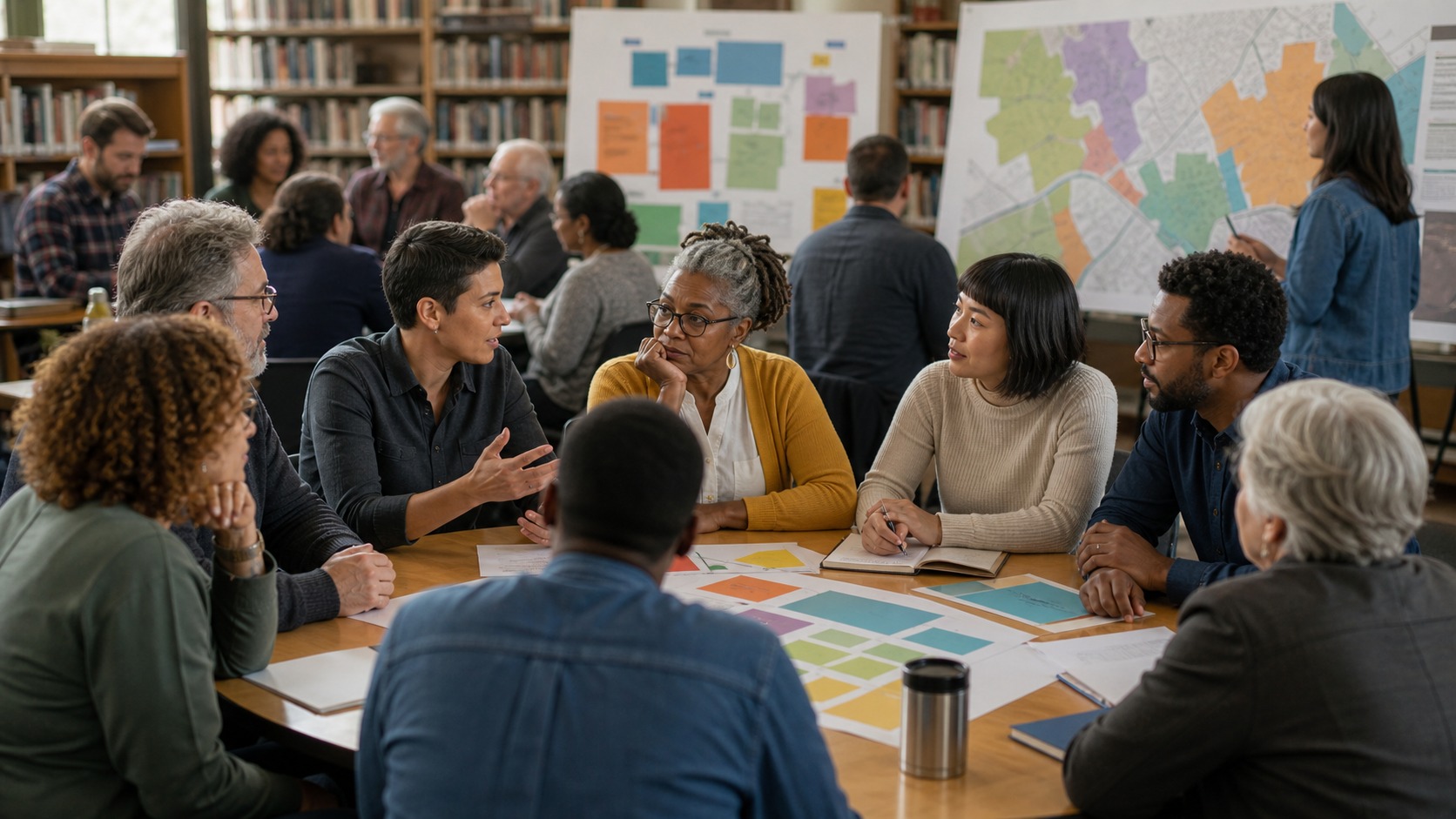
Progressive Ideology Explained: Beliefs, Goals, and Core Values
Political ideologies shape how people understand society, interpret problems, and envision solutions. They influence everything from economic policy and education to healthcare, environmental protection, and civil rights. Among the most influential political philosophies in the modern world is progressivism, a movement rooted in the belief that societies can improve through reform, innovation, and collective action. While progressivism is often associated with contemporary political debates, its intellectual roots stretch back more than a century and continue to influence public policy around the globe.
For many people, the term “progressive” is familiar but not always clearly understood. It is frequently used in political campaigns, media discussions, and policy debates, yet its meaning can vary depending on historical context and geographic location. At its core, however, progressivism is centered on the idea that social, political, and economic institutions should evolve to meet changing circumstances and address inequalities that limit human potential. Progressives generally believe that government, communities, and citizens have a shared responsibility to improve society and expand opportunities for all people.
Understanding progressive ideology requires looking beyond individual policy proposals and examining the broader values that guide the movement. Progressivism is not simply a collection of positions on specific issues. It is a worldview that shapes how people think about justice, equality, democracy, economic opportunity, and social change. It reflects a belief that progress is possible and that institutions can be reformed to create a fairer and more inclusive society.
This comprehensive beginner’s guide explores the origins of progressive ideology, its core beliefs, its political goals, and the values that continue to influence progressive movements today. Whether one agrees with its principles or not, progressivism remains one of the most significant forces shaping modern political discourse.
A: Progressive ideology is a political tradition focused on reform, equality, social improvement, rights, and public problem-solving.
A: Progressives usually believe society can be improved through policy, activism, democratic participation, and institutional reform.
A: It is usually associated with the political left or center-left, though its exact meaning varies by country and era.
A: No. Progressivism often supports reform within democracy and markets, while socialism focuses more directly on ownership and economic power.
A: They often believe government can protect rights, regulate abuses, provide services, and solve problems markets cannot solve alone.
A: Common goals include healthcare access, fair wages, civil rights, climate action, public education, voting rights, and economic fairness.
A: Progressives often see freedom as requiring real access to opportunity, safety, education, healthcare, and political voice.
A: They argue that extreme inequality can limit opportunity, weaken democracy, and concentrate power in too few hands.
A: Yes. Some progressives support gradual reforms, while others favor deeper structural change.
A: Progressivism means using reform to make society more fair, inclusive, democratic, and responsive to people’s needs.
What Is Progressive Ideology?
Progressive ideology is a political philosophy that advocates social reform, expanded opportunities, and active efforts to address inequality and injustice. Progressives generally believe that societies can improve over time through thoughtful policy changes, democratic participation, scientific knowledge, and collective action.
Unlike ideologies that emphasize preserving existing institutions and traditions, progressivism tends to focus on identifying problems and implementing reforms designed to create better outcomes. Progressives often argue that social, economic, and political systems should adapt as conditions change. New technologies, demographic shifts, economic developments, and evolving social values may require new approaches to governance and public policy.
Progressivism is often associated with a commitment to fairness and inclusion. Many progressives support policies designed to reduce barriers that prevent individuals from achieving their full potential. This may involve addressing economic inequality, discrimination, healthcare access, educational opportunities, environmental challenges, or political representation.
Importantly, progressivism does not necessarily seek change for its own sake. Rather, it emphasizes change when existing systems fail to meet societal needs or produce unjust outcomes. Progressives generally view reform as a practical tool for improving people’s lives and strengthening democratic institutions.
The Historical Origins of Progressivism
The roots of progressivism can be traced to the late nineteenth and early twentieth centuries, a period characterized by rapid industrialization, urbanization, and economic transformation. During this era, many countries experienced significant social and economic changes. Large corporations gained influence, cities expanded rapidly, and new technologies transformed daily life. While these developments created opportunities, they also generated challenges such as poverty, unsafe working conditions, political corruption, and economic inequality.
Reformers began advocating policies designed to address these problems. They sought stronger labor protections, consumer safeguards, public health initiatives, educational improvements, and government accountability. These efforts became known collectively as the Progressive Movement.
Progressives believed that democratic institutions could be used to solve social problems and improve living conditions. Rather than accepting inequality or exploitation as inevitable, they argued that governments had a responsibility to protect citizens and promote the public good.
Throughout the twentieth century, progressive ideas continued evolving. New generations of activists and policymakers expanded the movement’s focus to include civil rights, environmental protection, healthcare access, gender equality, and social justice. While specific priorities changed over time, the underlying commitment to reform and social improvement remained central to progressive ideology.
Today, progressivism continues drawing inspiration from these historical traditions while adapting to contemporary challenges.
The Core Belief in Social Progress
Perhaps the defining characteristic of progressivism is its belief in the possibility of social progress. Progressives generally reject the notion that social arrangements are fixed or unchangeable. Instead, they argue that institutions, laws, and policies can evolve to create better outcomes for individuals and communities.
This belief is grounded in optimism about human potential and society’s capacity for improvement. Progressives often view history as a process of expanding rights, increasing opportunities, and reducing forms of discrimination and injustice. While setbacks and challenges occur, they believe meaningful progress remains achievable through collective effort.
The concept of progress influences how progressives approach public policy. Problems such as poverty, inadequate healthcare, educational disparities, and environmental degradation are viewed not as permanent conditions but as challenges that can be addressed through effective action.
This perspective encourages experimentation, innovation, and reform. Progressives often support evidence-based policymaking and the use of research, data, and expert knowledge to guide decision-making. They generally believe societies should continuously evaluate institutions and make adjustments when improvements are needed.
Equality and Opportunity
Equality is one of the most important values within progressive ideology. However, progressives often distinguish between formal equality and substantive equality.
Formal equality refers to equal treatment under the law. Most modern democracies embrace this principle by guaranteeing basic legal rights regardless of race, gender, religion, or other characteristics. Progressives strongly support these protections but often argue that legal equality alone may not eliminate barriers that affect people’s opportunities.
Substantive equality focuses on creating conditions that allow individuals to succeed regardless of their backgrounds. Progressives frequently examine how factors such as income, education, healthcare access, discrimination, and social circumstances influence opportunities. They argue that addressing these factors can help create a more level playing field.
From a progressive perspective, equality is closely linked to fairness. The goal is not necessarily to ensure identical outcomes for everyone but to reduce unjust obstacles that prevent people from realizing their potential. This emphasis on opportunity shapes progressive approaches to education, economic policy, healthcare, and social programs.
The Role of Government in Society
Progressives generally believe government can play a constructive role in improving society. While views vary within the movement, many progressives see public institutions as important tools for addressing collective challenges and protecting public interests.
This perspective differs from ideologies that place greater emphasis on limited government intervention. Progressives often argue that markets and private institutions alone cannot adequately address issues such as poverty, environmental degradation, public health crises, or systemic discrimination. As a result, they support government action in areas where collective solutions may be necessary.
Examples include investments in education, infrastructure, healthcare systems, environmental protections, consumer safeguards, and social safety nets. Progressives typically view these initiatives as ways to expand opportunities and improve quality of life.
At the same time, progressives generally support democratic accountability and transparency. They believe government should remain responsive to citizens and operate in ways that promote public trust and participation.
The progressive view of government is therefore not simply about expanding authority. It is about using public institutions strategically to address problems that affect society as a whole.
Economic Justice and Fairness
Economic issues occupy a central place within progressive ideology. Progressives often focus on questions related to income inequality, labor rights, economic mobility, and access to essential services.
Many progressives argue that economic systems should be evaluated not only by overall growth but also by how opportunities and resources are distributed. While economic growth is important, they contend that prosperity should benefit broad segments of society rather than concentrating wealth among a small number of individuals or institutions.
This perspective often leads progressives to support policies such as minimum wage increases, worker protections, affordable healthcare, progressive taxation, and investments in education and job training. They generally believe these measures can help create a stronger and more inclusive economy.
Progressives also emphasize the importance of economic mobility. They argue that individuals should have realistic opportunities to improve their circumstances regardless of their starting points in life. Reducing barriers to advancement is viewed as both a moral and practical objective.
Economic justice remains one of the defining priorities of contemporary progressive movements around the world.
Civil Rights and Social Inclusion
The expansion of civil rights represents another cornerstone of progressive ideology. Progressives generally advocate equal treatment and protection for individuals regardless of race, gender, ethnicity, religion, sexual orientation, disability status, or other characteristics.
Historically, progressive movements have often been associated with efforts to expand voting rights, combat discrimination, promote gender equality, and protect marginalized communities. Progressives argue that democratic societies function most effectively when all individuals have equal access to opportunities and participation.
This commitment to inclusion extends beyond legal protections. Progressives frequently examine how social norms, institutional practices, and cultural attitudes may contribute to inequality. They often support initiatives aimed at reducing barriers to participation and increasing representation within political, economic, and social institutions.
For many progressives, diversity is viewed as a strength that enriches communities and contributes to innovation, creativity, and social cohesion.
Environmental Stewardship
Environmental protection has become an increasingly important component of progressive ideology. Progressives generally argue that governments, businesses, and individuals share responsibility for protecting natural resources and addressing environmental challenges.
Climate change, pollution, biodiversity loss, and resource depletion are often viewed as issues requiring coordinated public action. Progressives frequently support investments in renewable energy, environmental regulations, conservation programs, and sustainable development initiatives.
The progressive approach to environmental policy often reflects broader beliefs about collective responsibility and long-term planning. Environmental challenges are viewed as problems that transcend individual choices and require cooperation at local, national, and international levels.
Many progressives also emphasize the connection between environmental sustainability and social justice. Communities facing economic disadvantages often experience greater exposure to environmental risks, making environmental protection both an ecological and social concern.
Education and Knowledge
Education occupies a particularly important place within progressive thought. Progressives generally view education as one of the most powerful tools for expanding opportunity, promoting social mobility, and strengthening democracy.
Access to quality education is often seen as essential for helping individuals reach their potential. As a result, progressives frequently support investments in public schools, higher education, vocational training, and lifelong learning opportunities.
Progressive ideology also places significant value on scientific research, evidence-based policymaking, and informed public debate. Many progressives argue that complex social challenges should be addressed using reliable information and expert knowledge whenever possible.
This emphasis on education reflects a broader belief in human potential. Progressives generally view knowledge, innovation, and learning as critical drivers of social progress and economic development.
Criticisms of Progressive Ideology
Like any political philosophy, progressivism faces criticism from various perspectives. Critics sometimes argue that progressive policies may expand government authority too much or create unintended economic consequences. Others contend that progressive reforms can be costly or difficult to implement effectively.
Some critics believe progressives place excessive emphasis on government solutions while underestimating the role of personal responsibility, community institutions, or market forces. Others express concern that rapid social change may undermine traditions or social stability.
Progressives typically respond by arguing that reform is necessary when existing systems fail to meet societal needs. They maintain that addressing inequality, expanding opportunity, and protecting vulnerable populations are essential responsibilities of democratic societies.
These debates continue to shape political discussions and contribute to the ongoing evolution of progressive thought.
Why Progressivism Continues to Matter
Progressivism remains influential because it addresses many of the challenges confronting modern societies. Economic inequality, healthcare access, educational opportunity, climate change, technological disruption, and social inclusion continue generating important political debates.
The progressive emphasis on reform, innovation, and collective action provides one framework for addressing these issues. While specific policy proposals vary, the underlying belief that societies can improve through democratic engagement and thoughtful change continues resonating with many citizens.
At the same time, progressivism evolves in response to new circumstances. Contemporary progressives often address issues that earlier generations could not have anticipated, including digital privacy, artificial intelligence, globalization, and emerging environmental concerns.
This adaptability helps explain why progressivism remains a dynamic force in modern politics.
Conclusion
Progressive ideology is built upon the belief that societies can become more just, equitable, and inclusive through reform, innovation, and collective action. Its core values include social progress, equal opportunity, economic fairness, civil rights, environmental stewardship, and democratic participation. While progressives differ on specific policies, they generally share a commitment to addressing social challenges and expanding opportunities for all people.
From its origins in the reform movements of the late nineteenth century to its influence on contemporary debates about healthcare, education, climate change, and economic justice, progressivism has played a major role in shaping modern politics. It offers a vision of society in which institutions evolve to meet changing needs and where public policy is used to promote fairness and improve quality of life.
Whether one embraces or questions its principles, understanding progressive ideology provides valuable insight into one of the most influential political movements of the modern era. Its ideas continue to shape public discussions, inspire reform efforts, and influence the ongoing pursuit of a more equitable and prosperous society.