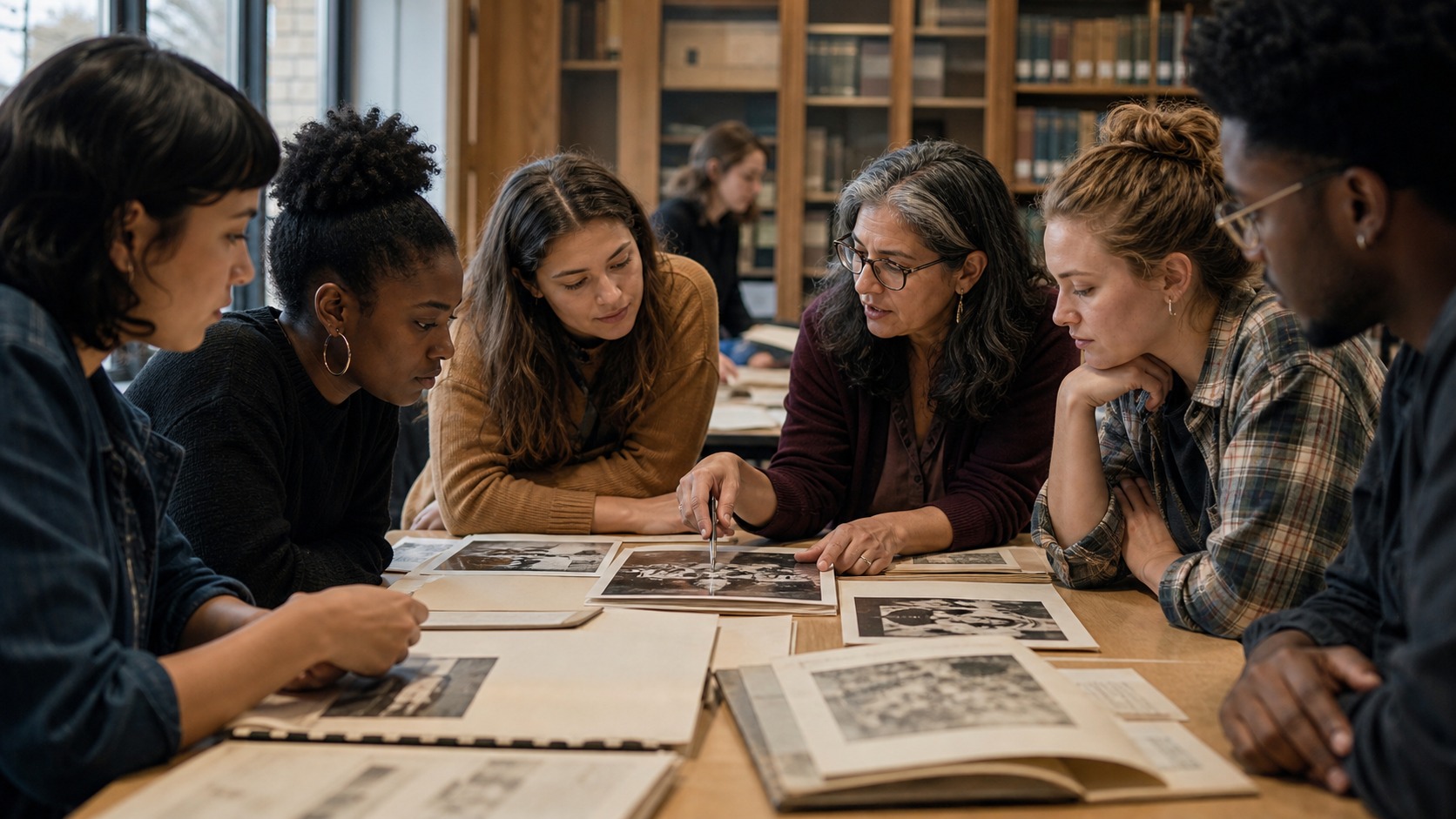
Feminism Explained: How Political Theory Shapes Gender Equality
Few political and social movements have influenced modern society as profoundly as feminism. From voting rights and educational opportunities to workplace equality and legal protections, feminist ideas have helped reshape laws, institutions, and cultural expectations across the world. Yet despite its enormous impact, feminism is often misunderstood. Some people view it simply as a movement advocating equal rights for women, while others see it as a broader political philosophy that examines power, justice, and social organization. In reality, feminism is both. It is a social movement dedicated to advancing gender equality and a collection of political theories that seek to explain why inequality exists and how it can be overcome.
Political theory plays a central role in feminism because it provides the intellectual framework for understanding gender relations. Questions about rights, power, freedom, representation, justice, and equality have long occupied political thinkers. Feminist scholars and activists have contributed significantly to these debates by examining how political systems affect women and other historically marginalized groups. Their work has challenged assumptions that were often taken for granted in traditional political thought and has expanded conversations about citizenship, democracy, human rights, and social justice.
Understanding feminism through the lens of political theory reveals that it is much more than a single movement with one set of goals. Feminism encompasses a wide range of perspectives that sometimes agree and sometimes disagree about the causes of inequality and the best ways to achieve change. What unites these perspectives is a commitment to examining how gender influences opportunities, rights, and power within society. By exploring feminism’s political foundations, historical development, and major schools of thought, it becomes easier to understand how feminist theory continues to shape modern debates about equality in the twenty-first century.
A: Feminism is a political and social theory that seeks gender equality, equal rights, dignity, freedom, and fair participation in society.
A: Feminism often centers women’s experiences, but it also studies gender roles, power, masculinity, family, work, and social expectations.
A: Political theory helps feminism analyze power, rights, justice, institutions, citizenship, freedom, and equality.
A: Yes. Major traditions include liberal, socialist, radical, intersectional, Black, postcolonial, ecofeminist, and queer feminism.
A: It means personal experiences such as family roles, harassment, care work, and violence can reflect broader social and political systems.
A: Intersectional feminism examines how gender connects with race, class, sexuality, disability, nationality, and other forms of identity and power.
A: No. It means people should not be denied rights, dignity, safety, or opportunity because of gender.
A: Because caregiving, household work, and emotional labor support families and economies but are often undervalued or invisible.
A: Feminism often appears in left-wing politics, but feminist ideas also exist in liberal, reformist, religious, conservative, and independent traditions.
A: The main goal is to build a society where gender does not limit freedom, safety, rights, opportunity, or human dignity.
What Is Feminism?
At its most basic level, feminism is the belief that people should have equal rights, opportunities, and treatment regardless of gender. Feminists argue that women have historically faced social, political, economic, and cultural disadvantages that have limited their participation in many areas of life. The goal of feminism is to identify these inequalities and work toward creating a more equitable society.
While this definition appears straightforward, feminism encompasses a diverse range of ideas and strategies. Some feminists focus primarily on legal equality, seeking reforms that remove discriminatory barriers. Others emphasize economic structures, cultural norms, social institutions, or power relationships as key sources of inequality. These different approaches have produced numerous feminist traditions, each contributing unique insights into the nature of gender inequality.
Political theory helps explain why these differences exist. Just as broader political ideologies offer varying views on freedom, justice, and government, feminist theories provide different explanations for how gender inequality develops and how it can be addressed. Rather than representing a single ideology, feminism is better understood as a family of related perspectives united by a shared concern for gender justice.
The diversity within feminism reflects the complexity of the issues it seeks to address. Gender inequality affects nearly every aspect of society, from family life and education to employment, healthcare, media representation, and political participation. Consequently, feminist thinkers have developed a wide range of theories to analyze these challenges and propose solutions.
The Political Roots of Feminism
Feminism emerged from broader political discussions about rights and citizenship. During the Enlightenment, philosophers began emphasizing concepts such as liberty, equality, and individual rights. These ideas inspired movements advocating democratic government, constitutional protections, and expanded political participation. However, women were often excluded from these discussions despite the universal language of equality.
Early feminist thinkers questioned this contradiction. If all individuals possessed inherent rights, why were women denied access to education, property ownership, voting rights, and political representation? These questions became central to the development of feminist political thought.
The nineteenth century saw growing efforts to secure legal and political rights for women. Activists argued that exclusion from public life violated the principles of fairness and democracy. Campaigns for women’s suffrage became some of the most visible manifestations of early feminist politics. These movements sought recognition of women as full citizens capable of participating equally in political decision-making.
As societies evolved, feminist thinkers expanded their focus beyond voting rights. They began examining economic inequality, workplace discrimination, family dynamics, reproductive rights, and cultural expectations. Political theory provided the tools needed to analyze these issues systematically, helping feminists understand how institutions and power structures influenced gender relations.
The connection between feminism and political theory remains strong today because questions of equality, freedom, and justice continue to shape debates about gender throughout the world.
The Meaning of Gender Equality
Gender equality is one of the central goals of feminist thought, but its meaning is often more complex than it initially appears. Equality does not necessarily mean that all individuals must live identical lives or make identical choices. Rather, it generally refers to the principle that opportunities, rights, and protections should not be determined by gender.
Political theorists have proposed different ways of understanding equality. Some emphasize formal equality, which focuses on ensuring that laws treat individuals equally. Others emphasize substantive equality, which recognizes that historical disadvantages and social barriers may require additional measures to achieve genuinely fair outcomes.
For example, removing legal barriers to employment represents formal equality. However, if cultural expectations, unequal caregiving responsibilities, or workplace discrimination continue limiting opportunities, substantive equality may remain elusive. Feminist theorists often examine these distinctions when evaluating public policies and social institutions.
Gender equality also involves questions of representation and power. Who holds leadership positions? Whose voices are heard in political debates? Who controls economic resources? These questions extend beyond legal rights and address broader patterns of influence within society.
Because equality operates on multiple levels, feminist political theory frequently explores both legal reforms and deeper structural changes that may be necessary to create lasting fairness.
Liberal Feminism and Equal Rights
One of the most influential branches of feminist thought is liberal feminism. Rooted in the broader tradition of political liberalism, this perspective emphasizes individual rights, equal opportunities, and legal protections. Liberal feminists generally argue that many forms of gender inequality result from discriminatory laws and institutional barriers that prevent women from participating fully in society.
From this viewpoint, progress occurs through reforms that expand access and eliminate discrimination. Liberal feminists have historically advocated for voting rights, educational opportunities, workplace equality, reproductive freedom, and anti-discrimination legislation. Their efforts have contributed significantly to many legal and political gains achieved by women over the past century.
Liberal feminism tends to view democratic institutions as capable of producing positive change. Courts, legislatures, and public policies are seen as important mechanisms for advancing equality. Rather than seeking to fundamentally transform society, liberal feminists often focus on making existing institutions more inclusive and fair.
This approach has been particularly influential in shaping modern debates about workplace equity, equal pay, parental leave policies, and political representation. By emphasizing equal treatment under the law, liberal feminism has helped establish many of the rights and protections that are now considered essential components of democratic societies.
Radical Feminism and Structural Power
Radical feminism offers a different perspective on the causes of inequality. While liberal feminists often focus on legal barriers, radical feminists argue that gender inequality is rooted in deeper social structures. They identify patriarchy—a system in which men collectively hold greater social power—as a central source of women’s oppression.
According to radical feminist theory, inequality extends far beyond formal laws and institutions. It is embedded in cultural norms, family structures, social expectations, and power relationships that shape everyday life. Because these patterns are deeply rooted, radical feminists often argue that legal reforms alone cannot achieve genuine equality.
This perspective encourages examination of issues such as gender roles, sexual violence, objectification, reproductive control, and cultural representations of women. Radical feminists frequently emphasize consciousness-raising and cultural transformation as necessary components of social change.
Although controversial at times, radical feminism has significantly influenced discussions about power, consent, harassment, domestic violence, and gender-based discrimination. Its emphasis on structural analysis has encouraged broader conversations about how social systems shape individual experiences.
Socialist and Marxist Feminist Perspectives
Another important branch of feminist political theory examines the relationship between gender and economic systems. Socialist and Marxist feminists argue that inequality cannot be fully understood without considering class and economic structures.
These perspectives suggest that women’s oppression is connected not only to gender but also to economic arrangements that shape labor, wealth distribution, and access to resources. Historically, women have often performed unpaid domestic labor while facing barriers to economic independence and professional advancement.
Socialist feminists emphasize the interconnected nature of economic and gender inequality. They argue that issues such as childcare, healthcare access, wage disparities, and workplace conditions cannot be separated from broader questions about economic justice.
By examining both gender and class, socialist feminist theory expands discussions about equality beyond individual rights and legal reforms. It encourages analysis of how economic systems influence opportunities and power relationships throughout society.
Intersectionality and Modern Feminist Theory
One of the most influential developments in contemporary feminist thought is the concept of intersectionality. This framework recognizes that individuals experience inequality in different ways depending on the interaction of multiple social identities, including gender, race, ethnicity, class, disability, sexuality, and nationality.
Intersectional feminism argues that focusing solely on gender can overlook important differences among women’s experiences. A woman from a wealthy background may encounter different challenges than a woman living in poverty. Likewise, racial discrimination, immigration status, or disability may create additional barriers that shape people’s lives in unique ways.
Political theory benefits from intersectionality because it provides a more comprehensive understanding of how power operates within society. Rather than treating inequality as a single issue, intersectional approaches recognize that multiple forms of disadvantage often overlap and reinforce one another.
This perspective has become increasingly influential in academic research, public policy discussions, and social activism. It encourages more inclusive approaches to equality by acknowledging the complexity of human experiences and identities.
Feminism’s Influence on Modern Politics
Feminist political theory has had a profound impact on modern political systems. Issues that were once considered private matters, such as domestic violence, workplace harassment, reproductive health, and caregiving responsibilities, are now widely recognized as important public concerns.
Feminist activism has influenced legislation protecting workers from discrimination, expanding educational opportunities, improving healthcare access, and addressing gender-based violence. Political parties, international organizations, and advocacy groups frequently incorporate feminist perspectives into policy development and public discussions.
The influence of feminism extends beyond legislation. It has reshaped public conversations about leadership, representation, media portrayals, workplace culture, and social expectations. Questions about diversity, inclusion, and equal opportunity often draw directly from ideas developed within feminist political theory.
Global institutions have also embraced gender equality as a key policy objective. International development programs, human rights initiatives, and educational campaigns increasingly recognize that empowering women contributes to broader social and economic progress.
Debates and Criticisms Within Feminism
Like any major intellectual tradition, feminism contains ongoing debates and disagreements. Different feminist schools sometimes disagree about priorities, strategies, and interpretations of social problems. These internal discussions have contributed to the movement’s growth and intellectual diversity.
Critics of feminism occasionally argue that certain feminist approaches focus too heavily on gender while neglecting other factors. Others contend that some branches of feminism may overemphasize conflict or underestimate individual choice. Feminist scholars frequently engage with these criticisms, refining theories and expanding their analyses.
Debates also arise regarding issues such as free speech, reproductive rights, family policy, workplace regulations, and cultural representation. These discussions reflect the complexity of balancing competing values and interests within democratic societies.
Far from weakening feminism, these debates often demonstrate the richness of feminist political thought. They highlight the movement’s willingness to engage critically with its own assumptions and adapt to changing social conditions.
The Future of Feminism and Gender Equality
As societies continue evolving, feminism remains an active and influential force in political discussions. Technological change, globalization, demographic shifts, and new workplace arrangements are creating fresh challenges and opportunities related to gender equality.
Questions about artificial intelligence, remote work, caregiving responsibilities, economic security, and digital communication are increasingly shaping feminist debates. At the same time, longstanding issues such as wage gaps, representation, violence, and discrimination continue to demand attention.
Future feminist movements will likely build upon both historical achievements and contemporary innovations. Political theory will remain essential because it provides frameworks for understanding new challenges and evaluating potential solutions.
The pursuit of gender equality is an ongoing process rather than a final destination. As social conditions change, feminist thinkers will continue examining how power, rights, and opportunities are distributed within society.
Conclusion
Feminism is far more than a campaign for equal rights. It is a rich and evolving body of political theory that seeks to understand how gender shapes human experiences, opportunities, and power relationships. Through its various schools of thought, feminism has challenged traditional assumptions, expanded democratic ideals, and contributed to some of the most significant social reforms of the modern era.
By exploring questions of equality, justice, representation, and freedom, feminist political theory has transformed the way societies think about citizenship and human rights. Liberal feminists have emphasized legal equality and institutional reform, while radical, socialist, and intersectional feminists have highlighted deeper structural issues affecting gender relations. Together, these perspectives have created a dynamic intellectual tradition that continues to influence public policy and social change.
Understanding feminism through the lens of political theory provides valuable insight into both historical struggles and contemporary debates. It reveals that gender equality is not simply a matter of individual attitudes but a complex political issue involving institutions, laws, cultures, and power structures. As the world continues grappling with questions of fairness and inclusion, feminist theory will remain a vital force in shaping discussions about what a truly equal society should look like.