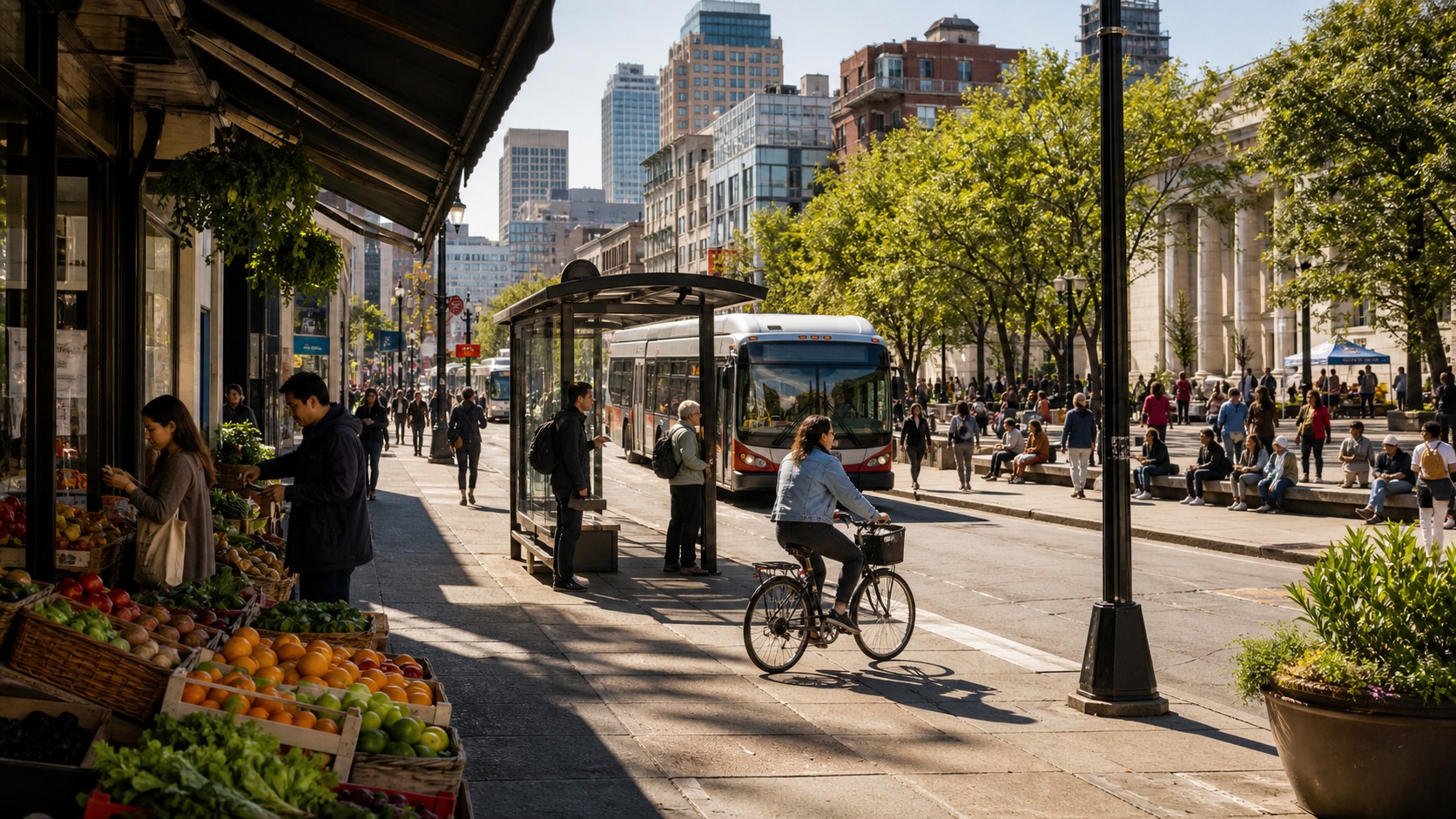
Democratic Socialism vs Capitalism: Can the Two Coexist?
Few political and economic debates generate as much discussion as the relationship between democratic socialism and capitalism. Supporters of capitalism often point to its record of innovation, economic growth, entrepreneurship, and wealth creation. Advocates of democratic socialism, meanwhile, argue that markets alone cannot guarantee fairness, economic security, or equal opportunity for all citizens. As societies grapple with issues such as rising inequality, healthcare access, housing affordability, climate change, and economic instability, the conversation surrounding these two systems has become increasingly relevant.
For many people, democratic socialism and capitalism appear to be completely incompatible. One is commonly associated with public ownership, wealth redistribution, and social welfare programs, while the other is linked to private enterprise, market competition, and profit-driven economic activity. Political rhetoric often presents the two as opposing forces locked in an ideological struggle. However, the reality is more nuanced. Many modern countries incorporate elements of both traditions, creating hybrid systems that combine market economies with extensive social programs and government intervention.
The central question is whether democratic socialism and capitalism can coexist within the same society. Can markets continue driving innovation and economic growth while democratic institutions ensure greater equality and social protection? Or are the core principles of these ideologies fundamentally at odds with one another? The answer depends largely on how each philosophy is defined and how societies balance competing priorities such as freedom, prosperity, security, and fairness.
Understanding this debate requires examining the origins, goals, and assumptions behind both democratic socialism and capitalism. It also requires looking beyond political slogans to explore how real-world economies operate. By understanding the strengths, criticisms, and areas of overlap between these two systems, it becomes easier to evaluate one of the most important political questions of the modern era.
A: Democratic socialism is a political tradition that supports democracy, civil liberties, social equality, and greater democratic control over the economy.
A: Capitalism is an economic system based on private ownership, markets, competition, investment, and profit.
A: They can coexist in mixed economies, but democratic socialists often debate whether capitalism should be regulated, democratized, or gradually replaced.
A: No. Democratic socialism emphasizes elections, civil liberties, political pluralism, and democratic participation.
A: They overlap, but social democracy usually reforms capitalism, while democratic socialism often questions private control of major economic power.
A: Not always. Many distinguish markets from capitalism and support markets in some areas alongside public ownership or cooperatives.
A: They often support unions, universal healthcare, public education, affordable housing, progressive taxes, and stronger worker rights.
A: They argue that private ownership and markets encourage innovation, efficiency, investment, choice, and individual freedom.
A: The biggest disagreement is whether private profit and concentrated ownership can be made compatible with real democracy and equality.
A: Democratic socialism wants democracy to shape the economy; capitalism gives markets and private ownership the central role.
What Is Capitalism?
Capitalism is an economic system based on private ownership of property, voluntary exchange, market competition, and profit-seeking enterprise. In capitalist economies, individuals and businesses largely determine what goods and services are produced, how resources are allocated, and how prices are established. Economic decisions are primarily driven by supply and demand rather than central planning.
The modern capitalist system emerged gradually over several centuries, gaining momentum during the Industrial Revolution. As markets expanded and technological innovations accelerated, capitalism became associated with economic growth, rising productivity, and expanding consumer choice. Many of the world’s wealthiest nations developed under predominantly capitalist systems.
Supporters of capitalism argue that competition encourages efficiency, innovation, and entrepreneurship. Businesses seeking profits must respond to consumer demands, improve products, and find more effective ways to produce goods and services. This competitive environment often drives technological progress and economic expansion.
Capitalism is also closely linked to individual economic freedom. People are generally free to start businesses, invest capital, pursue careers, and engage in voluntary transactions. Advocates contend that these freedoms contribute to prosperity and personal autonomy.
However, capitalism has also faced criticism. Opponents argue that market systems can produce significant inequalities, concentrate wealth, and leave essential needs such as healthcare, housing, or education inadequately addressed. These concerns have contributed to the development of alternative economic philosophies, including democratic socialism.
Understanding Democratic Socialism
Democratic socialism is a political and economic philosophy that seeks to combine democratic governance with greater social and economic equality. Unlike authoritarian forms of socialism historically associated with centralized state control, democratic socialism emphasizes democratic institutions, civil liberties, political pluralism, and popular participation.
Democratic socialists generally argue that economic systems should prioritize human needs and social well-being rather than focusing primarily on profit. They support policies designed to reduce inequality, strengthen social safety nets, expand access to essential services, and increase democratic influence over economic decisions.
Importantly, democratic socialism does not always reject markets entirely. Many democratic socialists support mixed economies that include both private enterprise and public ownership. Their goal is often to ensure that critical sectors such as healthcare, education, transportation, energy, or housing operate in ways that serve the public interest.
The philosophy emerged as a response to both unregulated capitalism and authoritarian socialism. Democratic socialists sought an alternative that preserved political freedoms while addressing economic inequalities. They argued that democracy should extend beyond elections and influence economic structures that affect people’s daily lives.
Today, democratic socialism remains a diverse movement. Some supporters advocate extensive reforms within existing market economies, while others seek more transformative changes to ownership and economic power.
The Fundamental Differences Between the Two Systems
At first glance, capitalism and democratic socialism appear to have fundamentally different priorities. Capitalism emphasizes private ownership, market competition, and individual economic freedom. Democratic socialism emphasizes social equality, public welfare, and democratic oversight of economic institutions.
Capitalists generally view markets as the most effective mechanism for allocating resources and generating prosperity. They argue that competition encourages innovation and allows individuals to pursue opportunities based on their talents and ambitions.
Democratic socialists often acknowledge the usefulness of markets but argue that markets alone cannot guarantee fairness or meet all societal needs. They believe public intervention is necessary to address inequalities and ensure access to essential services.
The debate frequently centers on questions of power and distribution. Capitalists emphasize economic freedom and wealth creation, while democratic socialists focus on how wealth, opportunity, and resources are distributed throughout society. These differing priorities shape their approaches to taxation, healthcare, education, labor rights, and social policy.
Despite these differences, the relationship between democratic socialism and capitalism is not necessarily an all-or-nothing choice. Many modern societies incorporate elements of both philosophies.
Why Democratic Socialists Criticize Capitalism
Democratic socialists often criticize capitalism for creating economic inequalities and concentrating wealth among a relatively small segment of the population. They argue that while markets can generate prosperity, they do not automatically distribute benefits fairly.
One common criticism involves income and wealth disparities. In capitalist economies, individuals and businesses that control valuable assets often accumulate significant wealth. Democratic socialists contend that this concentration of economic power can translate into political influence, potentially undermining democratic equality.
Another concern involves access to essential services. Democratic socialists argue that healthcare, education, housing, and other basic needs should not depend entirely on market forces. They believe societies should guarantee access to these services regardless of an individual’s ability to pay.
Labor relations also occupy a central place in democratic socialist critiques. Supporters often advocate stronger worker protections, collective bargaining rights, and policies designed to improve workplace conditions. They argue that workers should have greater influence over decisions affecting their livelihoods.
From the democratic socialist perspective, markets can be useful tools, but they should operate within frameworks designed to promote social justice and economic security.
Why Capitalists Criticize Democratic Socialism
Supporters of capitalism often raise concerns about democratic socialism’s emphasis on government intervention and redistribution. They argue that excessive regulation, taxation, or public ownership can reduce economic efficiency and discourage innovation.
One common criticism is that market competition drives productivity and technological advancement. If government assumes too large a role in economic decision-making, critics argue, incentives for entrepreneurship and investment may weaken. This could potentially slow economic growth and reduce overall prosperity.
Capitalists also emphasize individual choice and economic freedom. They contend that people should generally be free to decide how to spend, invest, and manage their resources. Extensive government involvement may, in their view, limit these freedoms and reduce flexibility within the economy.
Another concern involves government efficiency. Critics argue that public institutions may face challenges related to bureaucracy, political influence, and resource allocation. They question whether governments can consistently manage economic activities as effectively as competitive markets.
These criticisms highlight the tension between economic freedom and social protection that lies at the heart of the debate.
The Rise of Mixed Economies
In practice, most modern economies are neither purely capitalist nor purely socialist. Instead, they operate as mixed economies that combine market mechanisms with varying levels of government involvement.
Mixed economies recognize that markets can efficiently allocate many resources while also acknowledging that governments have important roles to play. Public institutions often provide infrastructure, education, healthcare, social insurance, environmental protection, and consumer safeguards alongside private enterprise.
Countries differ significantly in how they balance these elements. Some emphasize market competition and limited government intervention, while others maintain extensive social welfare programs and stronger regulatory frameworks. Yet nearly all developed economies contain features associated with both capitalism and democratic socialism.
This reality complicates the notion that societies must choose exclusively between the two systems. In many cases, political debates focus on determining the appropriate balance rather than selecting one model in its purest form.
The Scandinavian Example
Discussions about democratic socialism and capitalism frequently reference Scandinavian countries such as Sweden, Denmark, and Norway. These nations often serve as examples of how market economies and extensive social programs can coexist.
Scandinavian countries generally maintain capitalist economies characterized by private enterprise, international trade, entrepreneurship, and market competition. At the same time, they provide universal healthcare, strong social safety nets, generous parental leave policies, subsidized education, and extensive public services.
Supporters of democratic socialism point to these systems as evidence that societies can combine economic dynamism with social protections. They argue that strong public institutions can reduce inequality while preserving many benefits associated with market economies.
Critics, however, note that Scandinavian countries still rely heavily on capitalist markets and private enterprise. They argue that these nations are better described as social democracies than democratic socialist economies.
Regardless of terminology, the Scandinavian experience demonstrates that elements of both traditions can coexist within a functioning modern economy.
Healthcare, Education, and Public Services
Healthcare and education often serve as focal points in debates about democratic socialism and capitalism. Democratic socialists typically argue that these services should be universally accessible and publicly supported. They view access to healthcare and education as fundamental rights that should not depend solely on market purchasing power.
Capitalists vary in their views but often support greater private-sector involvement and competition. They argue that market incentives can improve efficiency, innovation, and consumer choice. Critics of public systems sometimes contend that government-run services may face challenges related to cost control and responsiveness.
Many countries adopt hybrid approaches that combine public funding with private participation. These arrangements illustrate how capitalist and democratic socialist principles can interact within specific policy areas.
The existence of such hybrid systems suggests that coexistence is often not only possible but already widespread in practice.
Democracy as Common Ground
Despite their disagreements, democratic socialism and capitalism share an important commitment when operating within democratic societies: support for democratic governance.
Democratic socialists emphasize democratic participation in both political and economic life. Capitalists operating within democratic systems generally support representative government, constitutional protections, and individual rights. While disagreements arise regarding economic organization, both traditions often recognize the legitimacy of democratic decision-making.
This shared commitment creates opportunities for compromise and adaptation. Political debates can determine how much regulation, redistribution, or public ownership citizens desire without abandoning democratic principles.
The ability to negotiate these differences through elections, legislation, and public discussion is one reason coexistence remains possible.
Can Democratic Socialism and Capitalism Truly Coexist?
The answer depends largely on how each system is defined. If capitalism refers exclusively to completely unregulated markets and democratic socialism requires complete public ownership of all economic activity, coexistence becomes difficult. However, such pure forms rarely exist in reality.
Most modern democratic societies blend market economics with social programs, regulations, and public services. Private businesses operate alongside government institutions. Markets generate wealth while public policies attempt to address inequalities and provide essential services.
In this sense, democratic socialism and capitalism already coexist to varying degrees throughout much of the world. The real debate often concerns where to draw boundaries rather than whether coexistence is possible.
Some citizens favor greater market freedom and less government involvement. Others support stronger social protections and expanded public services. Democratic systems provide mechanisms for negotiating these competing priorities over time.
Rather than existing as mutually exclusive opposites, democratic socialism and capitalism frequently interact within mixed economies that combine elements of both traditions.
Conclusion
The debate between democratic socialism and capitalism is one of the defining political conversations of the modern era. Capitalism emphasizes private ownership, market competition, innovation, and economic freedom, while democratic socialism focuses on social equality, public welfare, and democratic influence over economic systems.
Although these philosophies differ in important ways, they are not always incompatible. Most contemporary economies combine market mechanisms with varying levels of public intervention, creating hybrid systems that draw from both traditions. Healthcare programs, social safety nets, labor protections, and public education often exist alongside private enterprise and competitive markets.
The question is therefore not simply whether democratic socialism and capitalism can coexist. In many countries, they already do. The more important question is how societies should balance economic freedom with social responsibility, innovation with equality, and private enterprise with public welfare.
As debates about inequality, healthcare, housing, climate change, and economic opportunity continue shaping political discussions, the relationship between democratic socialism and capitalism will remain highly relevant. Understanding both perspectives allows citizens to engage more thoughtfully in conversations about the future of economic and political life and to consider how different systems can work together to promote both prosperity and social well-being.