Eco-socialism did not appear fully formed when climate politics became prominent. It grew from long arguments about land, metabolism, industrial production, colonial extraction, worker health, conservation, care, and democratic ownership. Socialist traditions supplied critiques of capital and class; ecological movements supplied attention to physical limits, interdependence, and irreversible harm.
The history is neither a straight line nor the property of one theorist. Marxist ecology, anarchist and communal thought, anti-colonial struggle, Indigenous sovereignty, feminist analysis, environmental justice, labor environmentalism, and climate movements converged and disputed one another. Their tensions explain the tradition’s present breadth.
A: No. Marxist ideas contributed important tools, but eco-socialism emerged through many intellectual and movement traditions.
A: No. Many embraced industrial productivism, while others analyzed land, health, limits, and human dependence on nature.
A: Industrial wealth and environmental harm were built through land seizure, extraction, forced labor, and unequal global exchange.
A: It centered care, social reproduction, embodied dependency, household labor, and the gendered distribution of environmental harm.
A: It foregrounded race, class, neighborhood exposure, health, political voice, and the unequal geography of pollution.
A: Public ownership without democracy, independent oversight, and ecological goals can remain highly destructive.
A: Its prominence grew as climate science, global negotiations, justice movements, and decarbonization politics developed in recent decades.
A: It organizes around worker health, safe production, good green jobs, union power, and negotiated industrial transition.
A: No. It is a changing convergence of theories, campaigns, parties, unions, communities, and policy experiments.
A: It reveals institutional precedents, coalition failures, democratic risks, and strategies relevant to present climate deadlines.
Nineteenth-Century Socialism Confronted Industrial Transformation
Industrial capitalism reorganized land, cities, work, energy, and material flows. Socialist critics focused on exploitation, private ownership, crisis, and alienation, but also observed polluted cities, exhausted soils, dangerous factories, and the separation of people from conditions of subsistence.
No single ecological doctrine followed. Some socialists saw industrial abundance as the route beyond scarcity; others emphasized communal land, agrarian relations, human dependence on nature, or decentralized production. The tension between productivism and ecological restraint began early.
Marxist Ecology Examined Metabolism
Later scholars developed ecological readings of Marx’s analysis of metabolism between society and nature, including disruptions caused by capitalist agriculture and urban concentration. The important contribution was relational: economies transform material systems, and ownership organizes that transformation.
Anarchist and Communal Traditions Offered Other Scales
Anarchist thinkers and movements explored federation, mutual aid, municipal life, and the relationship between hierarchy and ecological domination. Their suspicion of centralized state authority later influenced green politics and social ecology.
Decentralization did not solve every ecological problem. Watersheds, energy networks, trade, and climate cross local boundaries. The enduring contribution was to insist that the form and scale of authority matter as much as ownership.
Anti-Colonial Struggle Connected Empire and Extraction
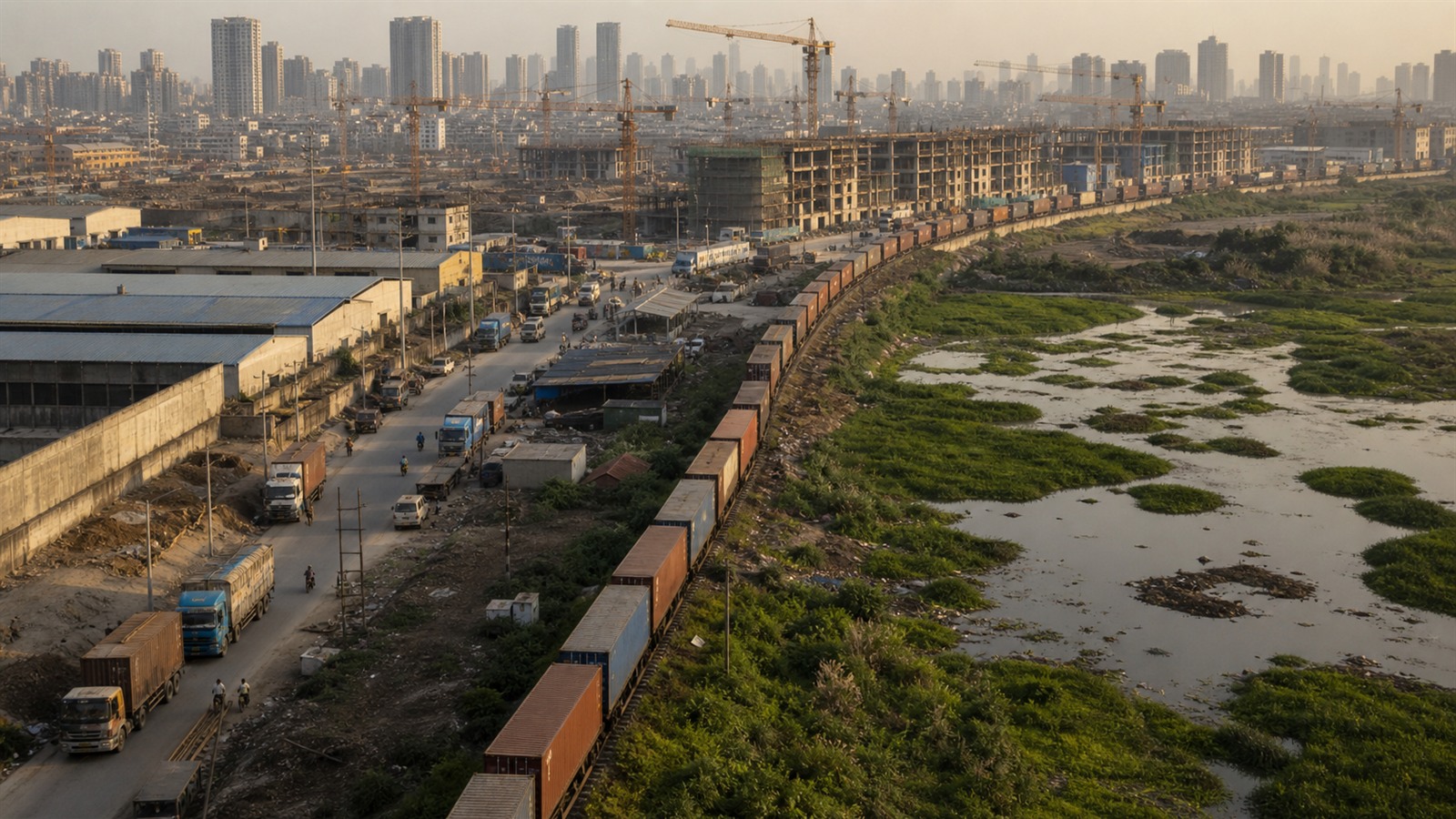
Colonial systems seized land, reorganized agriculture, extracted minerals, and directed labor toward metropolitan accumulation. Independence movements confronted the need for development within unequal trade and finance. Eco-socialism inherited the problem of meeting material needs without repeating extractive models.
Conservation Carried Democratic Contradictions
Protected lands and resource management established public responsibility for ecosystems. They also sometimes displaced Indigenous peoples or treated inhabited landscapes as empty nature. Preservation without sovereignty could reproduce colonial relations.
Indigenous movements challenged commodity concepts of land and asserted jurisdiction, treaty rights, and stewardship. Their influence on eco-socialism is not reducible to adding traditional knowledge to an external plan; it changes who possesses authority.
Labor Organized Around Health and Industrial Danger
Workers fought dust, toxins, injury, speedup, and unsafe technology long before climate politics. Unions created knowledge of production and collective power over hazards. Conflicts arose when environmental rules threatened jobs without replacement security.
Feminist Thought Brought Care Into Political Economy
Feminist analysis showed that paid production depends on unpaid and underpaid work sustaining bodies, households, and communities. Environmental damage expands care burdens and acts through reproduction, health, food, and water. A sustainable economy must organize care and time, not only factories and energy.
Ecofeminist currents differed, and some essentialized women as naturally closer to nature. Materialist approaches instead examined how gendered institutions allocate labor, authority, exposure, and knowledge.
Modern Environmentalism Challenged Industrial Confidence
Pollution, pesticides, nuclear risk, ecosystem decline, and resource debates expanded mass environmental politics. Regulation established limits, while radical currents questioned consumer society, growth, technology, and corporate power.
Environmental Justice Recentered Unequal Exposure
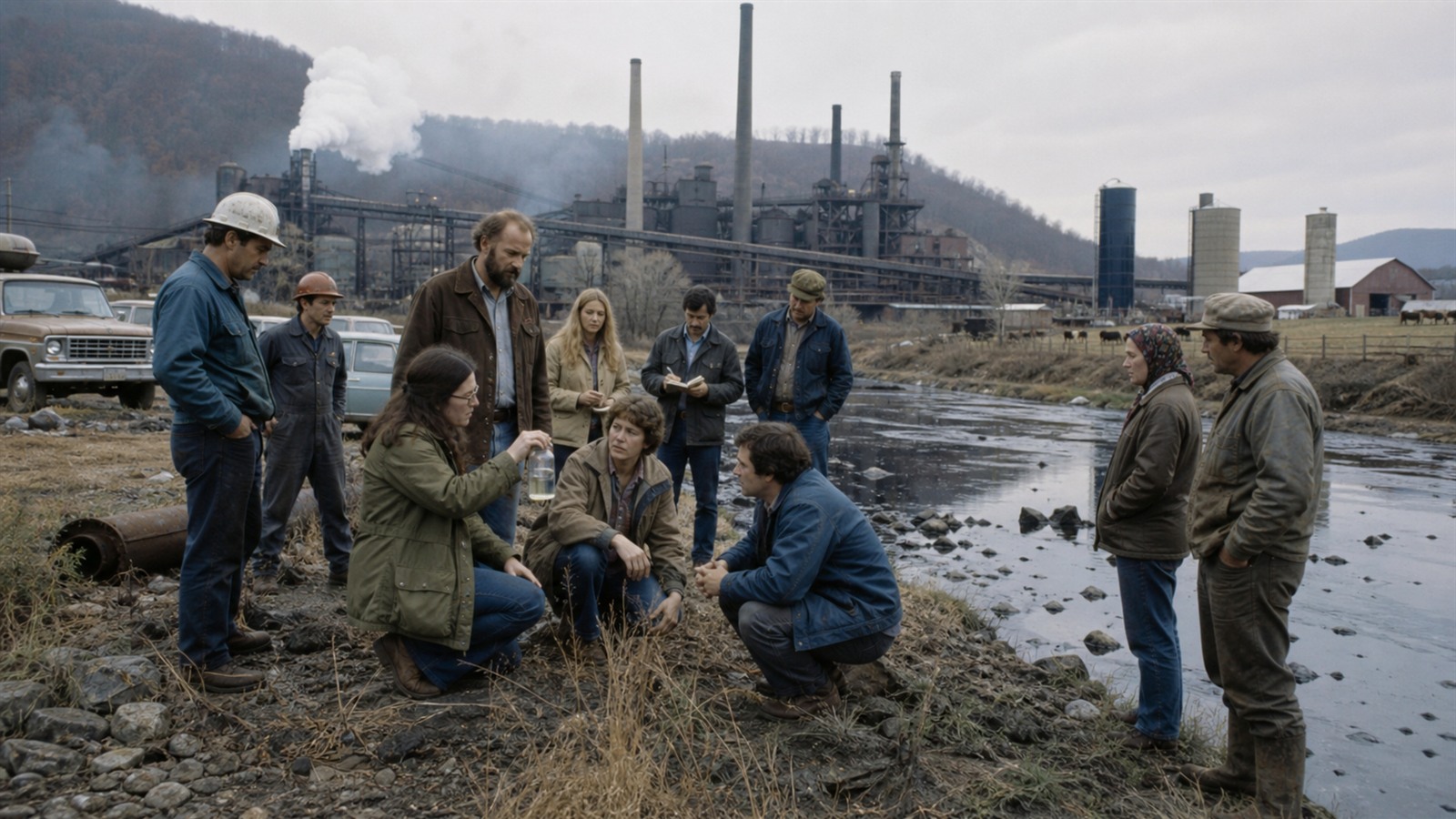
Communities facing toxic facilities, highways, waste, and occupational hazards showed that environment included where people live and work. Race, class, housing, and political exclusion shaped exposure. This challenged movements focused mainly on wilderness or aggregate pollution.
Justice organizing also insisted on procedural authority. Communities were not merely vulnerable populations receiving protection; they were political actors demanding evidence, enforcement, cleanup, and control over development.
State-Socialist Experience Forced a Democratic Reckoning
Authoritarian planned economies produced severe pollution, dangerous workplaces, secrecy, and large-scale ecological damage. State ownership did not automatically subordinate production to health or nature. Bureaucratic targets could intensify extraction without worker or public challenge.
The Eco-Socialist Synthesis Became More Explicit
As ecological crises deepened, writers and movements increasingly joined socialist critiques of accumulation with ecological limits. They argued that private control of investment and endless expansion conflicted with sustainability, while green politics needed class, labor, ownership, and global justice.
The synthesis remained plural. Some currents emphasized parties and national planning; others municipalism, movements, degrowth, cooperatives, or anti-colonial struggle. The shared project was to make social equality and ecological survival one transformation.
Climate Justice Globalized the Argument
Climate change linked cumulative emissions, fossil infrastructure, development, debt, adaptation, and loss across borders. Justice movements emphasized historical responsibility and the unequal capacity to respond. A uniform carbon policy could not address those relations.
Labor Reentered Through Just Transition
Just-transition strategies demanded income, pensions, bargaining, training, cleanup, and regional investment for workers and communities affected by decarbonization. The approach sought to separate employment security from owners’ interest in preserving fossil assets.
Implementation revealed that promises after closure were inadequate. Replacement capacity and enforceable rights had to precede decline, and new green jobs needed standards preventing a low-wage transition.
Today’s Climate Movement Is a Convergence
Youth strikes, Indigenous resistance, public-power campaigns, union alliances, housing movements, divestment, climate science, and industrial policy now overlap. Eco-socialist language offers a way to connect them through ownership, planning, universal services, and ecological limits.
Read the History Through Four Recurring Problems
The first problem is production. Early socialist movements sought abundance and freedom from poverty, often sharing the era’s confidence in industrial development. Ecological critics asked whether changing ownership without changing material goals would reproduce extraction. Later eco-socialism distinguished expansion of housing, health, care, and infrastructure from accumulation measured through output alone.
The second problem is scale. Workplace democracy offers direct knowledge and power, but a factory’s decisions affect watersheds, climate, and distant suppliers. National planning can coordinate large systems yet become bureaucratic and productivist. Municipalism, regional institutions, Indigenous jurisdiction, international agreements, and nested planning emerged as attempts to connect authority across ecological scales.
The third problem is the subject of change. Industrial workers occupied a central place in classical socialist strategy. Environmental movements included farmers, Indigenous peoples, scientists, neighborhood groups, women organizing around health and care, and communities fighting racialized pollution. Eco-socialism expanded its coalition without resolving every conflict between jobs, conservation, sovereignty, and consumption.
The fourth problem is transition. Revolutionary rupture promised decisive ownership change, while reformist strategies built standards, public utilities, unions, welfare states, and democratic rights within existing economies. Climate deadlines made postponing action untenable, yet incremental policy could lock in insufficient paths. Contemporary strategies combine immediate reforms with institutions intended to shift power and enable deeper change.
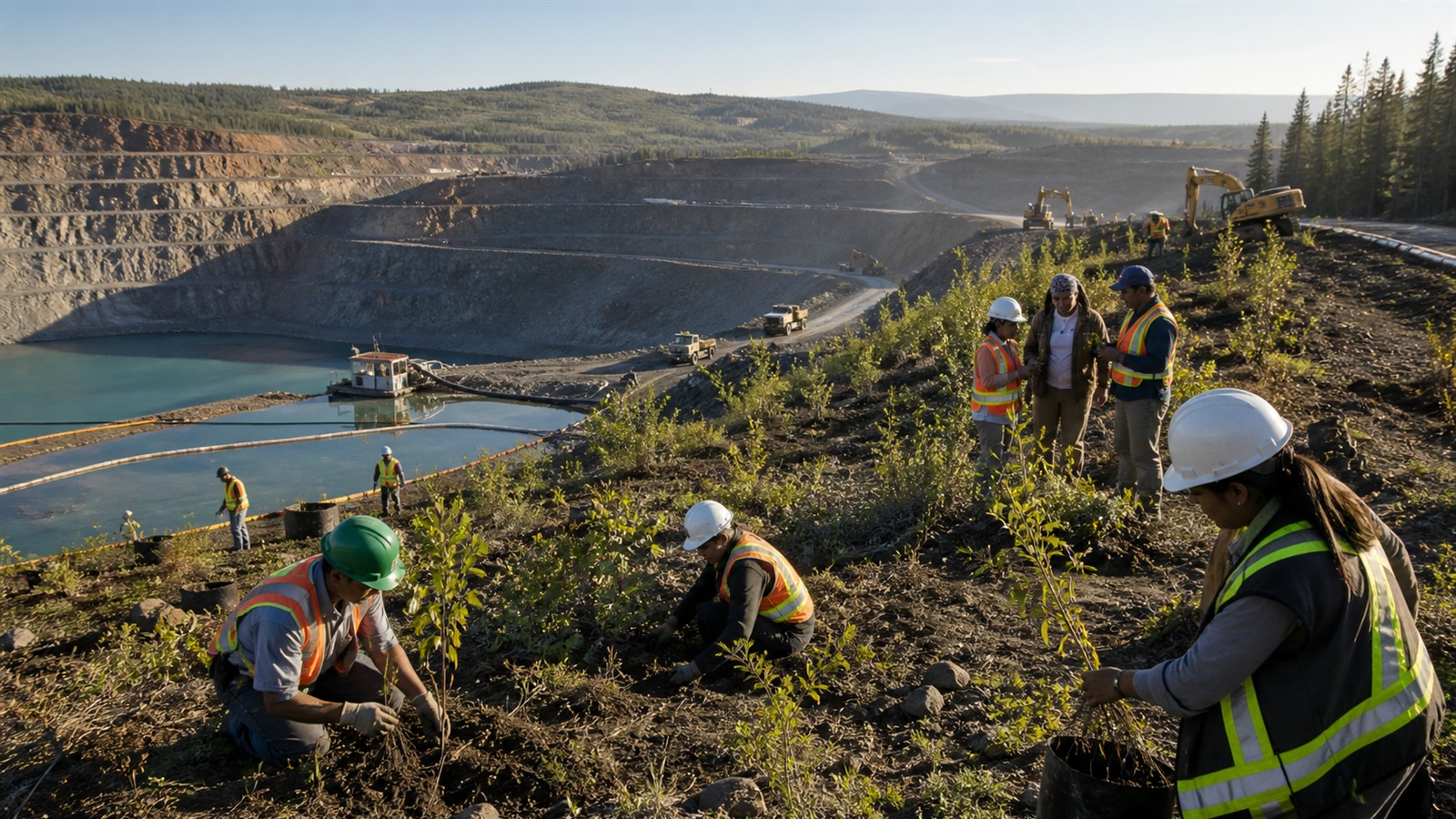
These problems show why history matters for present design. Public ownership without ecological limits can remain extractive. Conservation without social justice can dispossess. Local control without coordination can export harm. Climate technology without worker power can reproduce inequality. Each movement corrected a blind spot while creating new questions.
Historical memory also guards against invented novelty. Public power, cooperative enterprise, regional planning, shorter hours, free transit, land stewardship, and just-transition bargaining have precedents. Their achievements and failures provide evidence about finance, administration, coalition, and capture. Learning from them is more useful than claiming a complete break with the past.
Eco-socialism’s history is therefore a record of synthesis under pressure. It does not reveal one authentic doctrine waiting to be recovered. It shows people repeatedly connecting ecological survival to struggles over ownership, work, empire, race, gender, and democracy as the scale of environmental danger became harder to deny. The intellectual history also traveled through institutions not always labeled eco-socialist. Public-health departments linked housing and disease; conservation workers restored land; unions bargained over hazards; anti-nuclear campaigns questioned centralized expertise; peasant movements defended seeds and land; disability organizers redefined access and dependency. These practices contributed concepts even when participants rejected socialist language. Translation across regions changed meaning. European debates about parties and planning met Latin American discussions of extractivism and Indigenous territorial rights, African struggles over land and debt, and Asian conflicts around industrialization and agrarian livelihoods. A universal account must avoid treating one metropolitan lineage as the source from which all ecological politics flowed. The collapse of authoritarian state-socialist regimes forced another reckoning. Public ownership and planning had not prevented severe pollution, secrecy, dangerous work, or productivist goals. Democratic rights, independent science, worker organization, local authority, and ecological accounting became nonnegotiable for many eco-socialists. The name had to distinguish social ownership from bureaucratic command. Climate science then supplied a global carbon constraint and timelines that earlier environmental politics lacked. It joined distant sectors and generations in one cumulative problem while leaving responsibility profoundly unequal. Climate justice, divestment, youth strikes, public-investment programs, and just-transition alliances brought eco-socialist ideas into wider movements. The present tradition carries every layer of this history: the socialist question of ownership, the ecological question of limits, the anti-colonial question of extraction, the feminist question of care, the environmental-justice question of unequal exposure, and the democratic question of who plans. Its vitality comes from keeping those questions together without pretending they have already been reconciled. Periodization should remain cautious. Ideas now grouped under eco-socialism often developed without the label, while organizations using socialist or green names could pursue very different programs. A history of concepts should follow practices and institutions as well as published doctrine. Otherwise it privileges people with access to formal intellectual networks and overlooks knowledge made through work, defense of land, caregiving, and local survival. Energy transitions before the climate era also offer evidence. Shifts among biomass, coal, oil, gas, nuclear power, and electricity changed labor, geopolitics, settlement, and state capacity. They were not driven by price or technology alone. War, public infrastructure, corporate strategy, regulation, and social demand shaped their pace. Eco-socialist history adds the question of how a deliberately democratic transition differs from these earlier upheavals. Parties and electoral coalitions played uneven roles. Some built public services, utilities, labor rights, and environmental rules; others tied legitimacy to industrial growth and fossil employment. Green parties opened ecological institutions but sometimes accepted marketization or austerity. Movement-party relations repeatedly raised the problem of governing compromise without dissolving independent organization. Historical actors also changed language strategically. Demands for public health, municipal ownership, economic democracy, climate jobs, or a just transition could advance eco-socialist functions without requiring voters to accept a total identity. Broad language sometimes built coalitions and sometimes concealed incompatible goals. The lesson is to examine the transfer of power, not only the banner. Present movements inherit unfinished institutions rather than a blank slate. Grids, welfare states, unions, property law, trade agreements, cities, and public agencies contain earlier victories and exclusions. Transition strategy works through them, against them, and beyond them. History supplies neither fatalism nor a recipe; it shows where capacity and resistance have accumulated.
The History Remains Unfinished
Eco-socialism carries inheritances it must continually examine: industrial productivism, centralized authority, colonial assumptions, exclusion inside labor, and romantic ideas about community. It also carries accumulated capacities for public provision, worker organization, stewardship, research, and democratic reform.
Its history is useful because it refuses an easy origin story. The tradition grows whenever people discover that environmental survival depends on who controls production and that social freedom depends on the material world sustaining life. Climate politics gives that old relationship a new scale and deadline.