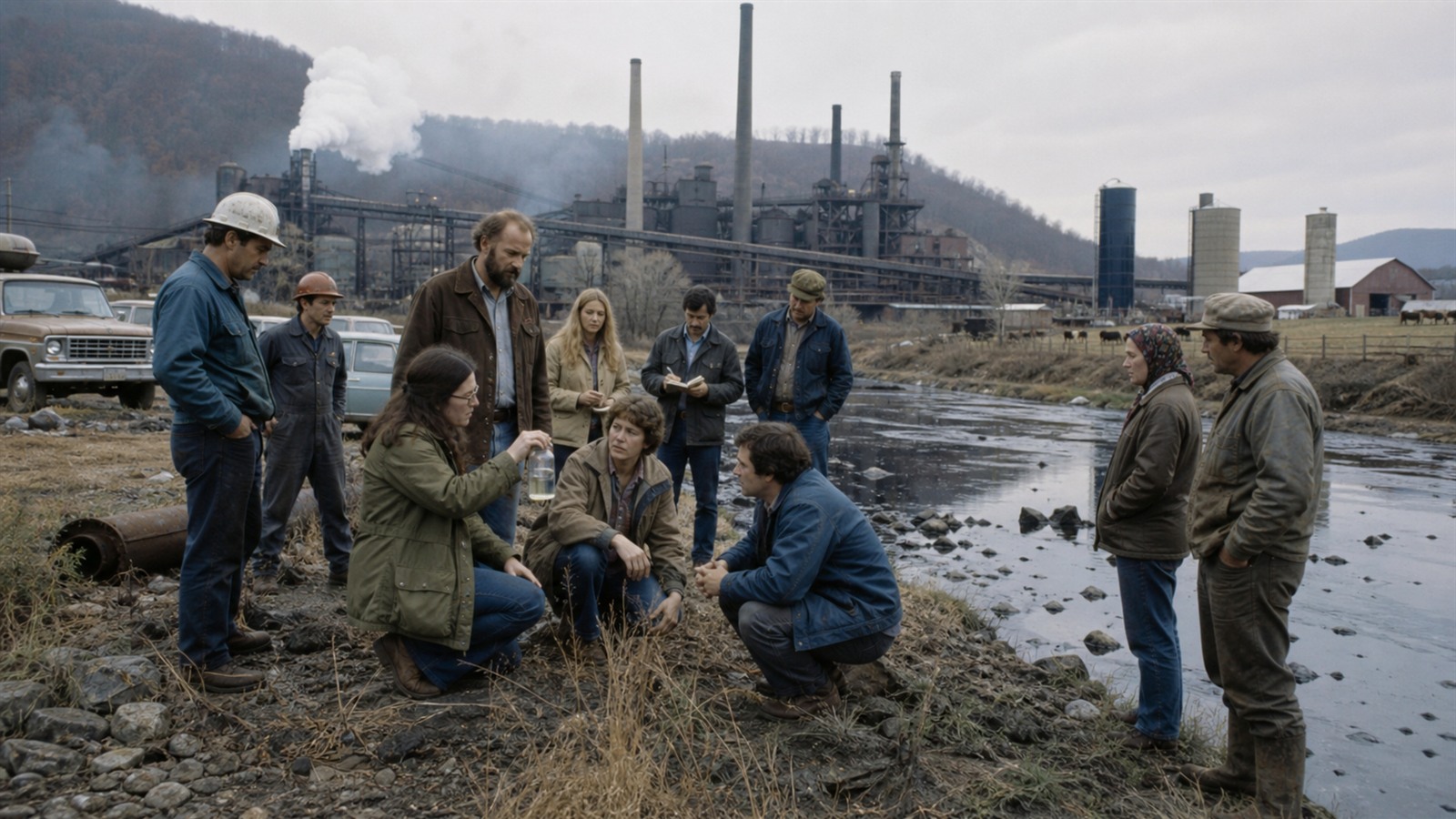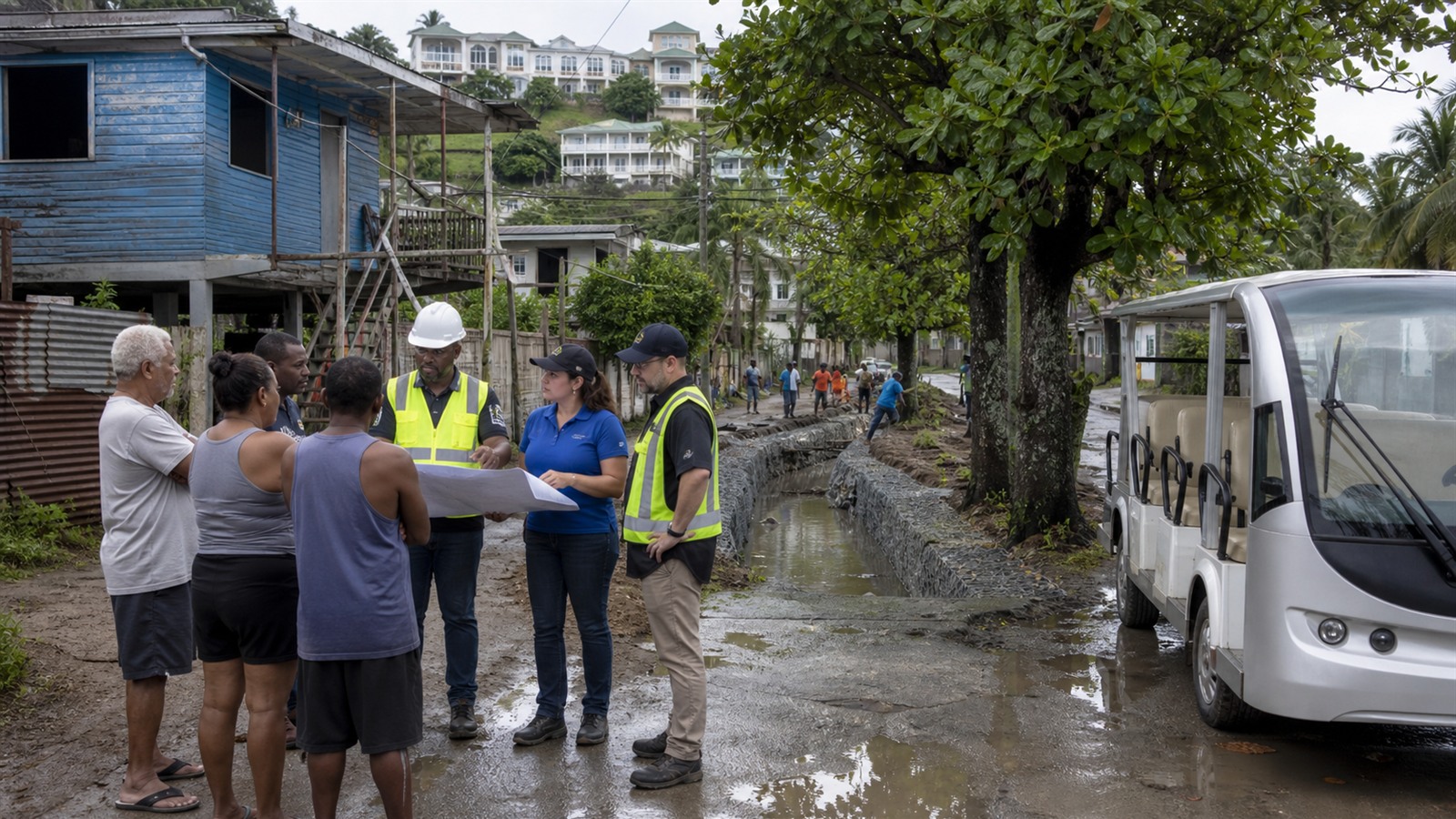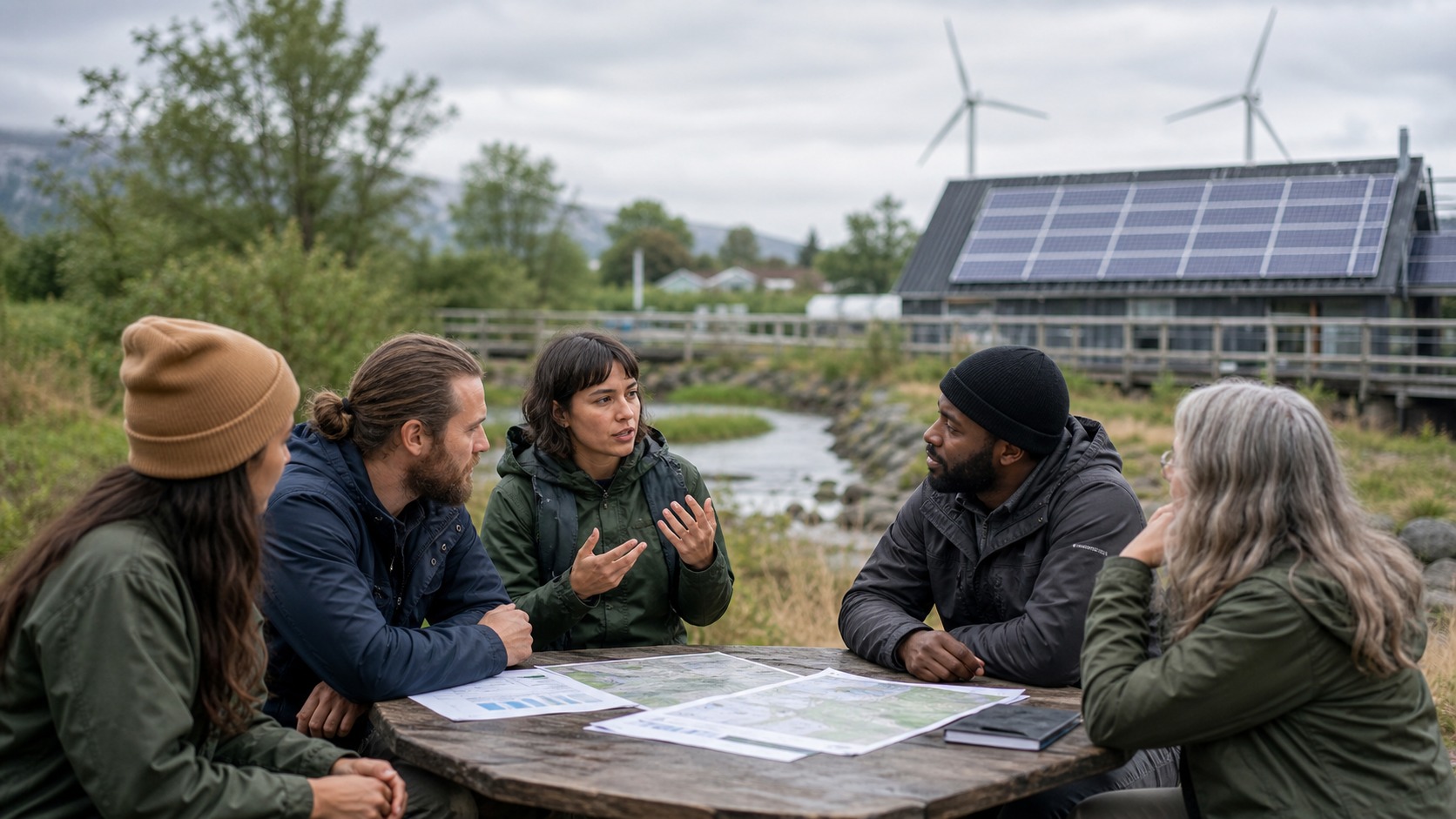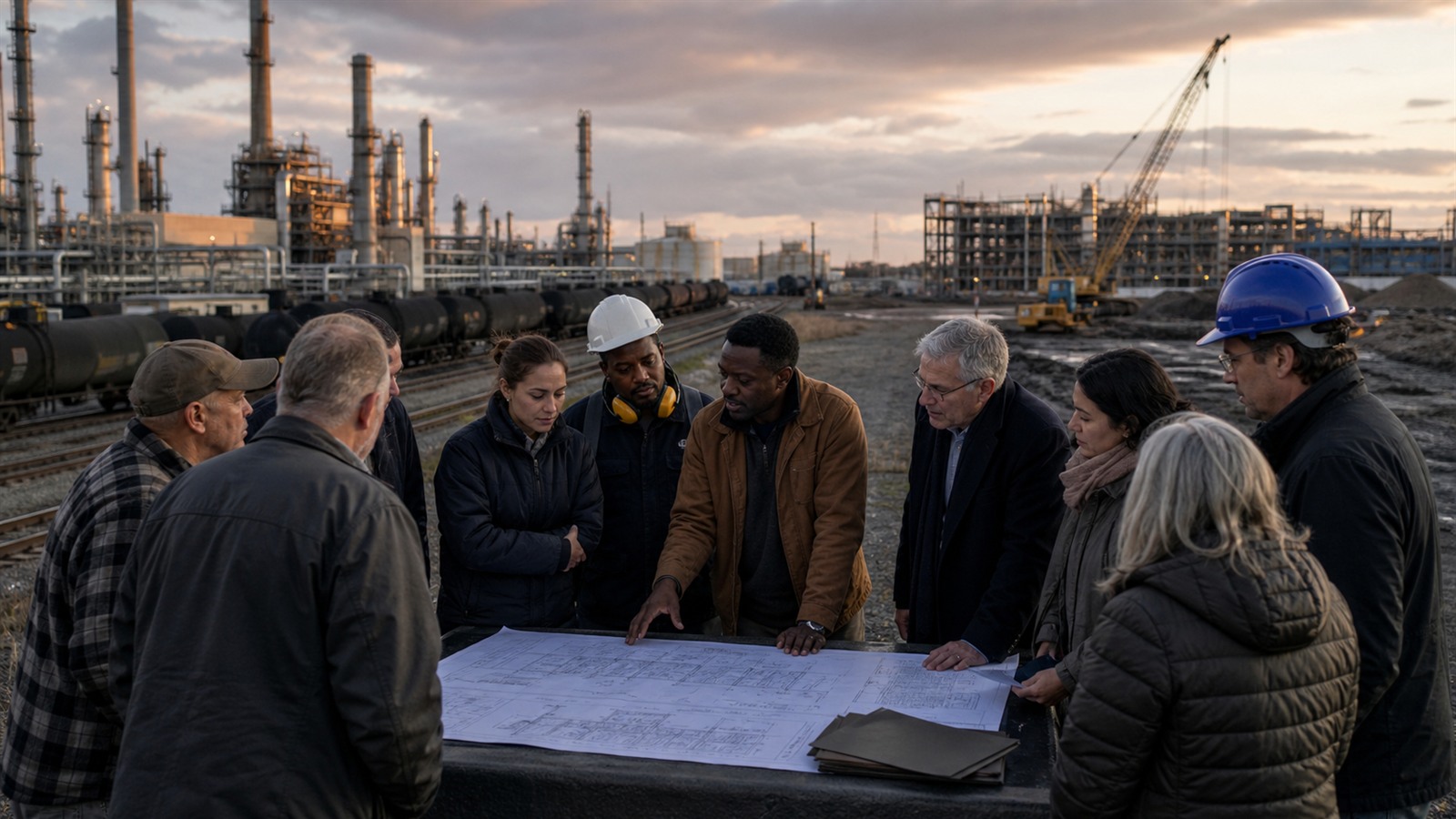
Fossil capital is more than a set of oil, gas, and coal companies. It is a system of profitable reserves, pipelines, refineries, power plants, vehicle networks, financial claims, political influence, and communities made dependent on wages and public revenue from extraction. Fighting it requires replacing services and livelihoods as well as opposing firms.
Eco-socialism focuses on ownership and investment because fossil assets can remain profitable after they become socially dangerous. The strategy is to remove private veto power, retire infrastructure through public plans, protect workers and regions, enforce cleanup, and build democratic low-carbon systems before scarcity becomes a weapon for incumbents.
A: It means the assets, owners, finance, infrastructure, labor relations, and political power organized around profitable fossil extraction and use.
A: Incumbent assets, contracts, networks, political influence, and continued profitable demand can preserve fossil production.
A: Sometimes strategic acquisition may aid closure, but prices must reflect stranded assets and liabilities rather than reward expected harmful profits.
A: Through early bargaining, wage and pension guarantees, public services, replacement investment, cleanup jobs, and credible employment pathways.
A: Sequenced construction, efficiency, storage, grid coordination, reserves, demand management, and protected essential use before supply retires.
A: Not directly, but it can change politics and finance; binding production policy and replacement systems remain necessary.
A: Owners and beneficiaries should carry enforceable liabilities, backed by bonds and public enforcement before insolvency occurs.
A: They can contribute skills and assets, but antitrust, public stakes, labor rights, and democratic planning must prevent continued dominance.
A: It can align investment, rates, reliability, access, and retirement with public goals instead of preserving private returns.
A: Reliable low-carbon systems, secure workers and regions, cleaned legacy sites, and democratic control over energy investment.
Fossil Capital Is an Asset System
Coal, oil, and gas become capital through property rights, finance, infrastructure, technology, and expected future sales. Reserve values and company valuations assume extraction. Climate policy threatens not only current revenue but claims on decades of profit.
Owners therefore possess reasons and resources to delay. They lobby, litigate, advertise, fund alliances, promise future technology, and use employment and energy security as political leverage. Strategy must address the system supporting those tactics.
Infrastructure Creates Lock-In
Pipelines, refineries, terminals, power plants, roads, buildings, and industrial equipment last for decades. Once financed and built, owners and communities seek continued operation to repay debt and preserve jobs. Stopping new lock-in is cheaper and politically easier than retiring fresh assets.
Demand and Supply Must Decline Together
Closing extraction without building clean energy, transit, efficient housing, and industry creates scarcity and price shocks. Reducing demand while allowing producers to export may not cut global supply. Public plans coordinate both sides around a common timetable.
Essential energy access requires protection throughout. Progressive rates, universal services, and efficiency prevent households from financing decline through unaffordable bills.
Finance Converts Reserves Into Present Power
Banks, bonds, insurers, pensions, and investors fund projects against expected cash flow. Financial regulation can expose transition risk, restrict lending, and require capital against stranded assets. Public finance builds alternatives and prevents private credit withdrawal from vetoing policy.
Ownership Gives Firms Strategic Initiative
Regulation constrains conduct, but owners choose investment, closure, and data disclosure within those limits. Public, cooperative, and community ownership gives democratic institutions greater initiative over grids, generation, storage, and retail.
Ownership transfer is not automatically wise. Governments can overpay, inherit liabilities, or continue extraction for revenue. Acquisition needs a specific operational purpose and a valuation based on planned decline.
Workers Are Not the Asset Owners
Employees depend on wages and pensions; shareholders seek returns and can diversify. Treating both as one fossil interest lets owners defend assets through workers’ insecurity. Unions with independent transition guarantees can support closure without sacrificing members.
Just Transition Must Precede Closure
Negotiations begin years before retirement and cover payroll, benefits, pensions, training, hiring, land reuse, cleanup, and local revenue. Replacement jobs should exist, not remain projections. Universal services reduce household dependence on one employer.
Regional institutions coordinate suppliers, schools, infrastructure, housing, and public budgets. A facility’s departure affects an economic ecosystem that individual retraining cannot repair.
Cleanup Is a Debt Owed to Place
Abandoned wells, mines, ash, contaminated soil, and industrial sites impose costs after profit ends. Bonds, trust funds, joint liability, and strict enforcement secure resources before bankruptcy. Workers and residents contribute knowledge of hidden hazards.
Public Power Can Anchor Replacement
Municipal and regional utilities can plan generation, rates, efficiency, storage, and grid upgrades as one system. Public ownership retains returns and can prioritize universal service. Worker and user governance checks managerial isolation.
Cooperatives and community energy diversify authority and keep benefits local. National coordination remains necessary for transmission, reliability, industrial supply, and equal finance.
Industrial Policy Builds Clean Supply Chains
Procurement, public credit, research, equity, and standards expand manufacturing and installation. Conditions protect labor and public returns. Antitrust prevents clean industries from recreating concentrated fossil power.
Carbon Capture Requires a Specific Test
Capture may be valuable for difficult industrial processes,
but broad promises can justify continued extraction. Projects should demonstrate full lifecycle reductions,
permanent storage, cost, safety, liability, and superiority to alternatives before receiving strategic status.
Political Influence Survives Product Change
Fossil firms can acquire clean assets and present themselves as indispensable transition partners. Expertise is useful, but concentrated ownership and lobbying can migrate into the new system. Campaign rules, transparency, antitrust, and public alternatives constrain that continuity.
A green portfolio does not erase responsibility for delay or legacy harm. Cleanup and disclosure obligations follow the corporate lineage.
Producer Regions Need International Justice
Countries dependent on fossil exports face revenue, currency, employment, and development shocks. Coordinated decline requires grants, debt relief, economic diversification, technology, and fair trade. Wealthy importers cannot demand abrupt closure while withholding resources.
Movement Strategy Uses Multiple Forms of Power
Community resistance can stop infrastructure, workers can disrupt production, divestment can delegitimize firms, litigation can enforce duties, and elections can authorize plans. None alone operates the replacement system. Movements need administrative and ownership strategies alongside opposition.
Coalitions become stronger when clean energy lowers bills, public transit improves mobility, workers gain security, and communities receive lasting assets. Material gains separate ordinary people from incumbent narratives.
Energy Democracy Is the Positive Goal
The fight is not simply against a fuel. It is for authority over how energy is produced, priced, distributed, conserved, and retired. Citizens, workers, users, and affected communities need institutions that can make and revise those decisions.
Build a Strategy Around the Fossil Business Model
Fossil firms derive value from controlling reserves, infrastructure, contracts, technical knowledge, and political access. Their market valuation often assumes future extraction. A credible climate plan threatens those expectations, so delay can preserve billions in asset value. Disclosure alone may reprice risk without stopping production if firms expect public rescue or continued demand.
The first strategic task is to stop expansion. New leases, pipelines, export terminals, and long-lived combustion assets create political constituencies and debt expecting decades of operation. Binding carbon budgets and permit rules prevent lock-in. Supply restrictions should accompany demand-side construction so incumbents cannot use shortage and price spikes to discredit transition.
The second task is controlled retirement. Governments can regulate closure dates, purchase assets selectively, take equity during financial distress, or create public authorities that wind down operations. Any acquisition should value assets under the announced climate pathway, not compensate owners for impossible future profits. Books, contracts, reserves, and environmental liabilities require independent audit.
The third task is replacement. Public and cooperative power, grids, transit, efficient housing, industry, and storage must arrive quickly enough to preserve reliability and affordability. Public planning coordinates interdependent projects and retains operational workers whose skills transfer. Energy conservation and reduced luxury demand lower the amount of new capacity needed.
The fourth task is labor separation from ownership. Unions bargain over schedules, staffing, pensions, wage replacement, retraining, cleanup, and regional investment. Workers should have access to company plans and public decision bodies. When security is guaranteed independently, owners lose the ability to claim that preserving their asset is the only way to preserve a community.
The fifth task is accountability for legacy harm. Bonds, superfunds, successor liability, and public enforcement prevent bankrupt firms from leaving wells, mines, contamination, and health costs behind. Cleanup becomes skilled long-term employment, with residents and workers governing priorities and monitoring exposure.
Fighting the business model means shifting every source of power: expected profit, finance, infrastructure, labor dependency, political influence, and control of information. Protest can interrupt expansion, but durable victory requires institutions able to operate the replacement system and keep former fossil wealth from reorganizing the same dominance under a green portfolio. Public ownership decisions require caution. Buying a fossil company at a premium can socialize loss and reward shareholders, while leaving government with obsolete assets. Acquisition is strongest when it gains strategic infrastructure, workforce knowledge, or authority needed for orderly closure at a price reflecting climate liabilities. Regulation and bankruptcy powers may achieve other retirements without purchase. Pension funds create a genuine tension because workers’ retirement savings may hold fossil assets. Divestment can reduce moral and political complicity, but selling shares does not itself close facilities. Funds need diversified transition plans, engagement where useful, and public guarantees protecting pensions from stranded assets. Workers should not finance decarbonization through retirement losses. Energy security narratives also require scrutiny. Governments may approve new extraction during geopolitical shocks, claiming temporary necessity, yet infrastructure produces pressure for long operation. Strategic reserves, efficiency, diversified clean supply, grid connections, and demand management can provide security without repeating lock-in. If temporary fossil measures occur, closure dates and financial assumptions should be fixed from the beginning. Former fossil firms may become major clean-energy owners through capital, engineering, land, and political ties. Their capacity can aid transition, but simple rebranding preserves concentration. Antitrust, public stakes, labor rights, open grids, community ownership, and restrictions on political spending prevent one private oligopoly from replacing another. The fight ends not when a company’s product mix changes, but when democratic institutions can direct energy investment and every community has secure access without depending on the continuation of destructive assets. Gas occupies a contested transition role. It can balance some electricity systems, but new pipelines and plants create debt and political pressure for long use. Plans should compare storage, transmission, demand response, efficiency, and firm clean power on full-system cost and reliability. Any temporary gas capacity needs a declining utilization path and closure finance from the beginning. Public communication should separate energy workers from corporate strategy. Workers may take pride in supplying essential energy and distrust movements that describe their communities only through harm. Respectful organizing recognizes skill, sacrifice, and place while making guarantees enforceable. Joint worker-community research can identify conversion, cleanup, and replacement options before public positions harden. Land reuse becomes a major opportunity. Industrial sites may have grid connections, transport, skilled labor, and contamination. Public acquisition and cleanup can convert them into manufacturing, storage, housing where safe, ecological restoration, or community facilities. Residents should govern reuse so speculative developers do not capture publicly financed recovery. Revenue replacement requires more than grants. Fossil regions need diversified tax bases, public enterprises, higher-education and care institutions, infrastructure, and ownership stakes in new industries. Multiyear fiscal transfers should decline according to measured replacement capacity rather than arbitrary dates. International production agreements can reduce the prisoner’s dilemma in which each exporter fears losing market share to another. Differentiated schedules, development finance, and support for worker and public budgets make cooperation credible. Wealthy producers with diversified economies should move fastest. The strategic endpoint is not energy administered without conflict. It is a system where conflicts over price, land, work, and technology occur inside democratic institutions rather than being settled by the threat that private owners will withhold investment or continue extraction. That democratic settlement is the lasting measure of success.
Victory Requires Ending the Veto
Fossil capital is defeated when owners can no longer delay ecological timelines by threatening jobs, prices, investment, or revenue. That requires replacement capacity, social guarantees, public finance, organized labor, and lawful authority.
The remaining task is ongoing governance. Clean systems have mines, land, labor, networks, and managers of their own. Eco-socialism seeks to prevent a new private concentration from inheriting the same veto by making democratic control, ecological limits, and equal access permanent features of the energy system.